Gardening isn’t just about growing plants — it’s about cultivating a connection to nature and nurturing the environment. And what better way to practice sustainability than by incorporating recycled materials into your garden? Using repurposed items not only reduces waste but also adds unique charm and personal flair to your outdoor space.
Whether you have a backyard, balcony, or community plot, there are endless ways to breathe new life into old objects. In this guide, we’ll cover 10 practical and creative tips to use recycled materials in gardening, helping you grow greener in every sense of the word.
1. Repurpose Old Containers as Planters
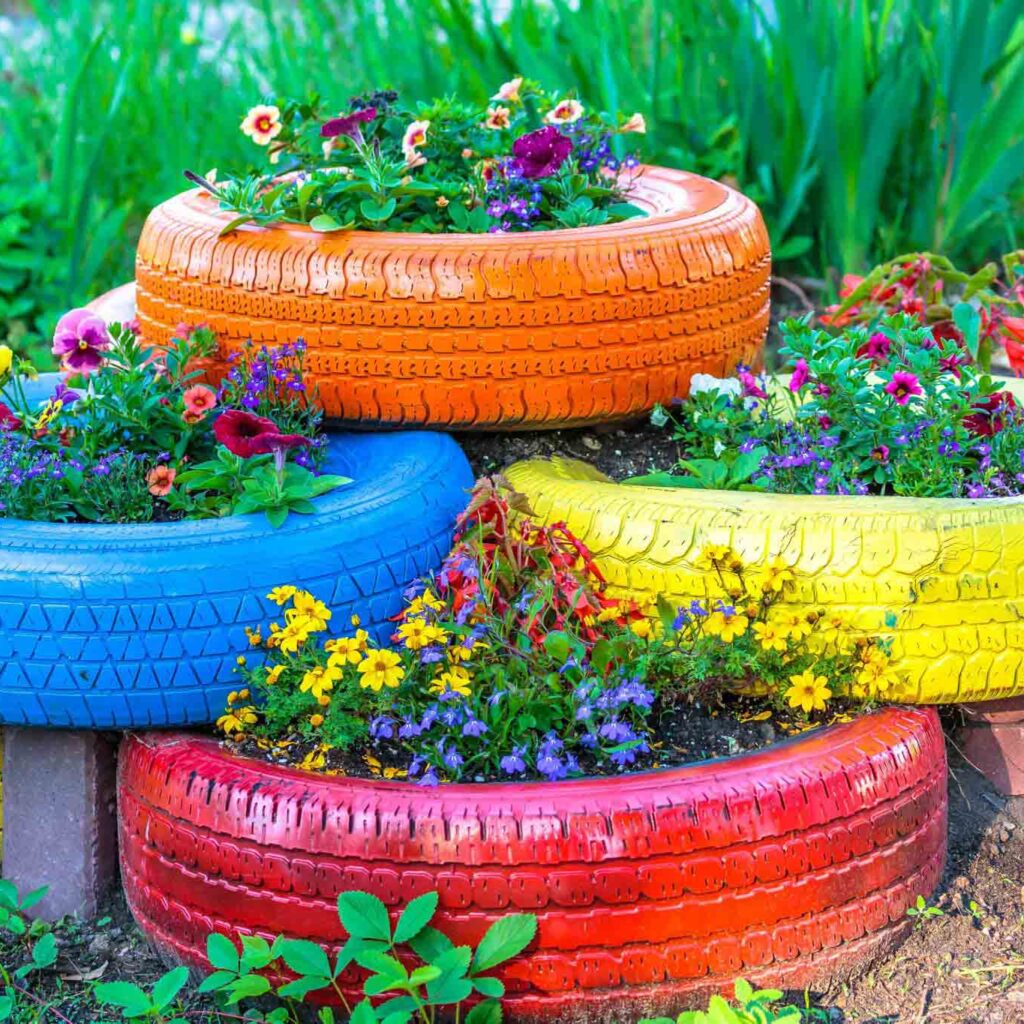
One of the easiest and most effective ways to use recycled materials is by turning everyday items into planters. Many household objects can serve as quirky, eye-catching plant containers.
Ideas to try:
- Tin cans for herbs or succulents.
- Teapots and mugs for small flowering plants.
- Old boots or shoes as rustic planters.
- Colanders for hanging plants — built-in drainage holes included!
- Wooden crates for raised beds or herb gardens.
Tip: Always drill or add drainage holes to any container you’re repurposing for plants to avoid waterlogging.
________________________________________________________________________
Read Also : Life Cycle Assessment (LCA) to Examin Environmental Implications
_______________________________________________________________________
2. Build Raised Beds from Reclaimed Wood
Why buy new when you can build your own raised garden beds from reclaimed wood? Pallets, old furniture, or leftover timber from home projects can easily be transformed into productive garden plots.
Benefits:
- Keeps usable wood out of landfills.
- Adds a rustic, natural look to your garden.
- Saves money on costly new lumber.
Tip: Make sure to use untreated wood or seal it with a non-toxic, eco-friendly finish to avoid chemicals leaching into your soil.
3. Craft DIY Garden Markers
Forget plastic plant labels — get creative by making your own garden markers from recycled materials.
Fun options:
- Old spoons: Flatten them and hand-stamp plant names.
- Painted stones: Use weather-resistant paint to label herbs and flowers.
- Broken terra cotta pieces: Write plant names with a marker or paint.
Tip: Personalize your markers to add color and character to your flower beds and veggie patches.
4. Use Recycled Glass for Garden Edging
Glass bottles can be repurposed as beautiful, practical garden borders. Simply bury them neck-down along the edge of your garden beds to create a quirky, sparkling boundary.
________________________________________________________________________
Read Also : Global Warming Kills 14 Per Cent Of World’s Corals In A Decade: Survey
________________________________________________________________________
Why it works:
- Adds a decorative, colorful accent.
- Keeps soil contained and defines planting areas.
- Reduces waste and repurposes glass that’s hard to recycle in some regions.
Tip: Use bottles of similar height for a uniform look or mix colors for a mosaic effect.
5. Make Compost with Kitchen Scraps
One of the most beneficial recycled materials in gardening comes straight from your kitchen. Composting turns everyday organic waste into nutrient-rich soil conditioner.
Compost-friendly items:
- Fruit and vegetable peels.
- Coffee grounds and tea bags.
- Eggshells.
- Garden trimmings and leaves.
Benefits:
- Reduces household waste.
- Enriches soil naturally.
- Supports plant growth and improves drainage.
Tip: Avoid composting meat, dairy, or oily foods to prevent odors and pests.
6. Turn Old Furniture into Garden Features
Give discarded furniture a second life in your garden. With a bit of imagination and minor repairs, you can transform old items into standout plant displays or functional outdoor pieces.
Creative transformations:
- An old dresser becomes a tiered flower planter.
- A bathtub or sink serves as a lush flower bed.
- Wooden chairs without seats can hold potted plants.
Tip: Use weatherproof sealant on wood or metal to protect pieces from the elements.
7. Create Garden Paths with Salvaged Materials
Paths and stepping stones don’t have to be made from expensive materials. Salvage old bricks, tiles, or broken concrete slabs to create charming garden walkways.
________________________________________________________________________
Read Also : What is a water footprint?
________________________________________________________________________
Advantages:
- Reduces landfill waste.
- Adds character with a patchwork look.
- Provides safe, dry footing for navigating your garden.
Tip: Lay recycled materials on a base of sand or gravel for stability and proper drainage.
8. Use Plastic Bottles for Mini Greenhouses
Give your seedlings a head start by using clear plastic bottles as miniature greenhouses.
How to do it:
- Cut the bottom off a large plastic bottle.
- Place the top half over young plants.
- Remove the cap for ventilation on warmer days.
Benefits:
- Protects tender plants from frost, wind, and pests.
- Retains moisture and warmth.
- Provides an easy, cost-free cloche alternative.
Tip: Recycle or repurpose the bottle’s base as a water tray or small planter.
9. Collect Rainwater in Repurposed Barrels
Cut down on water usage by harvesting rainwater for your garden. Old barrels, buckets, or large containers can be converted into eco-friendly rainwater collectors.
Why it’s great:
- Conserves water.
- Reduces your utility bill.
- Provides plants with chemical-free, natural rainwater.
Tip: Fit a simple spigot at the base for easy access and cover openings with mesh to prevent debris and mosquitoes.
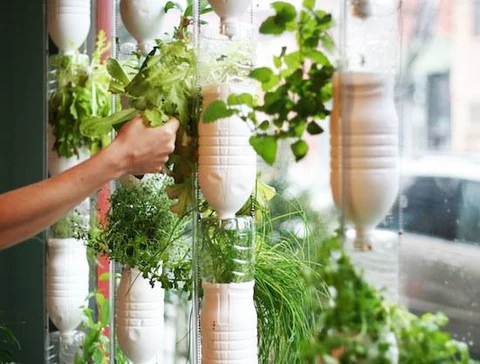
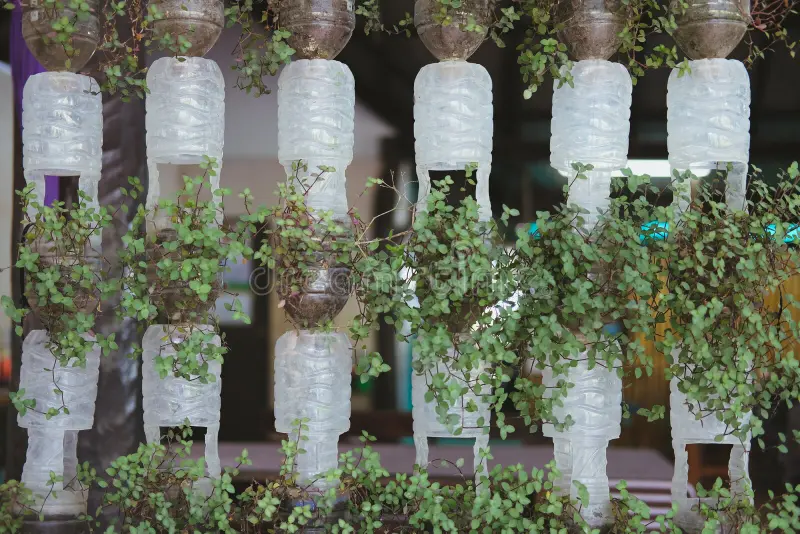
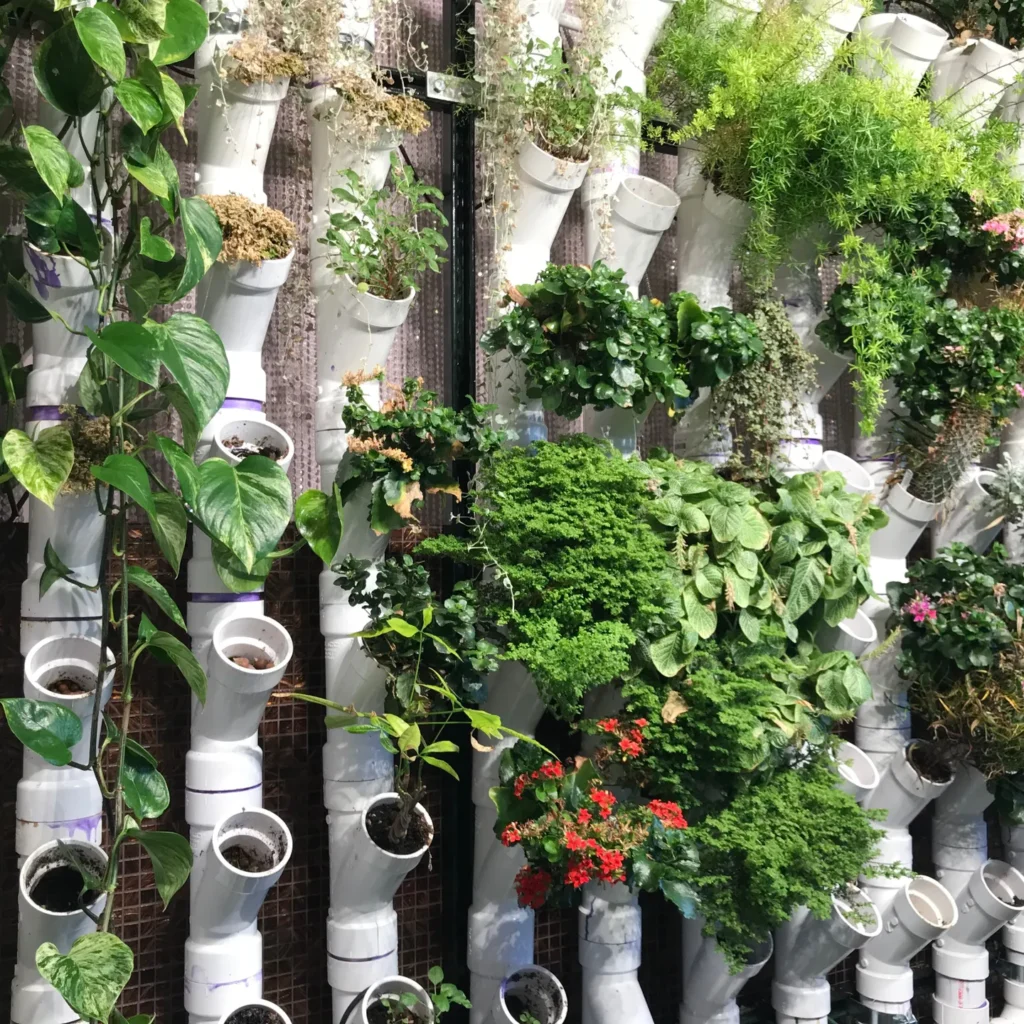
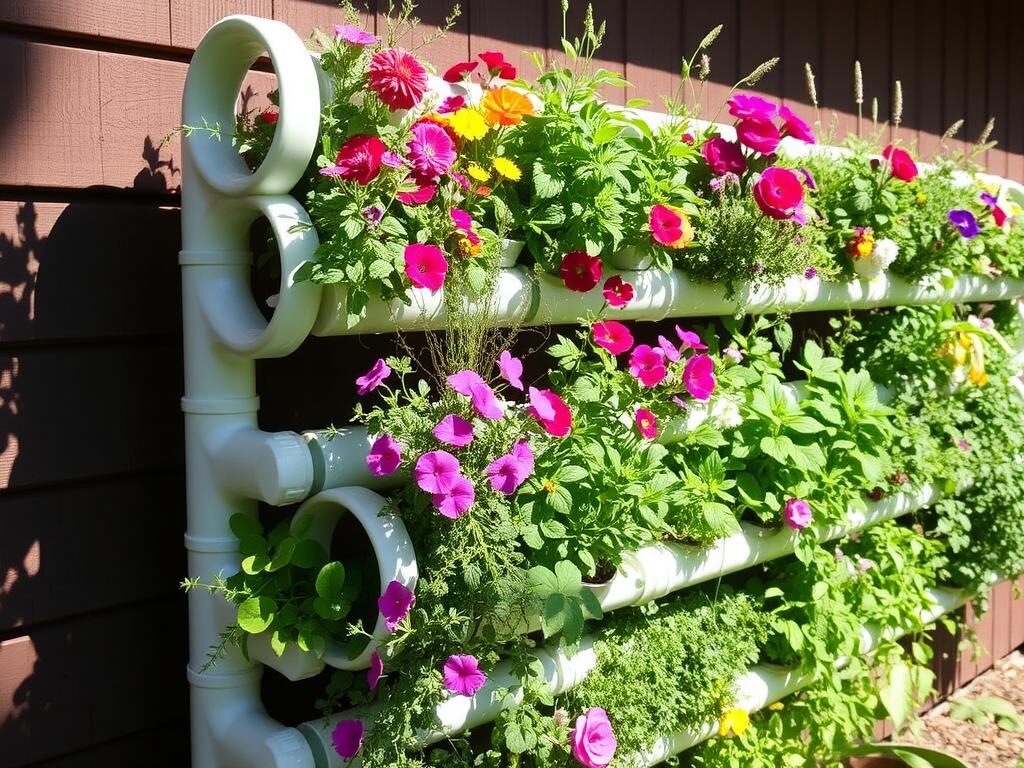
10. Build Vertical Gardens with Recycled Items
Maximize space and add vertical interest by creating vertical gardens using recycled materials.
Project ideas:
- Stack wooden pallets as vertical planters.
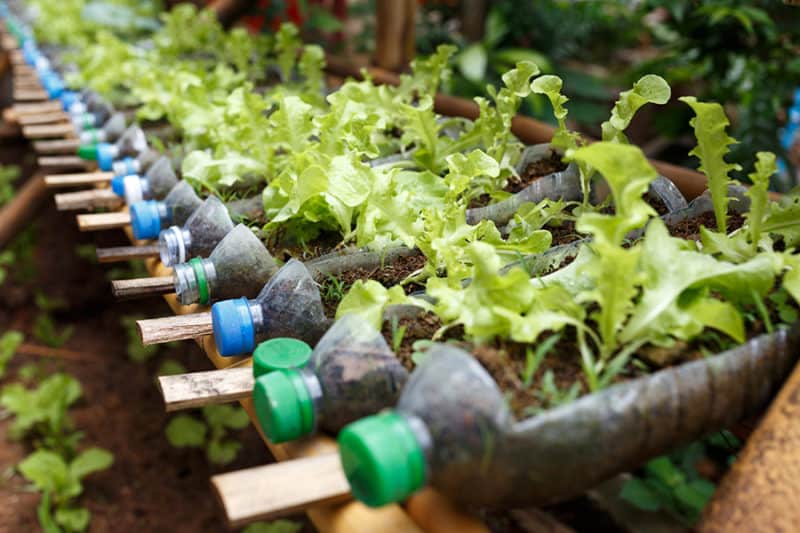
- Hang tin cans or plastic containers on walls or fences.
- Turn an old ladder into tiered plant shelves.
Benefits:
- Makes use of limited space.
- Keeps plants off the ground, reducing pest problems.
- Adds visual appeal to bland walls or fences.
Tip: Mix flowering plants, herbs, and trailing greenery for a lush, layered look.
Final Thoughts
Incorporating recycled materials into your garden is more than a sustainable practice — it’s a creative way to express your personality while reducing waste. Whether you’re repurposing containers, salvaging materials for paths and raised beds, or crafting your own garden art, each project breathes new life into discarded items and enhances your outdoor space.
Ready to green up your gardening habits? Start with one or two of these ideas and watch your eco-friendly garden grow, both in beauty and environmental benefit.
NOTE – This article was originally published in lodhigarden and can be viewed here
Tags: #beautiful, #Creative, #flowering plants., #gaedening, #garden, #getgreengetgrowing, #gngagritech, #greener, #greenstories, #plant, #RecycledMaterials, #sustainable