Houseplants filter our air, raise the humidity in our environment, and add a touch of nature to our surroundings. However, not everyone has room to cultivate a fiddle leaf fig or an areca palm indoors.
Grow one of these cute, tiny plants in a teacup, on a ledge, or anywhere you need a green boost. Each plant can hold its own based on cuteness alone, but a variety makes an adorable minature landscape or windowsill garden.
Tiny Plants List
1. Baby Tears
:max_bytes(150000):strip_icc():format(webp)/baby-tears-plant-4582879-05-088a44200b5b445e89e72f701c4be615.jpg "9 Tiny Plants for Cute Indoor Gardens 2")
Everything about Soleirolia soleirolii is cute: the common name of baby tears elicits that “aww” reaction, and the myriad of tiny leaves gives character and charm to this easy houseplant. Grow baby tears in a small terrarium or under a glass cloche in bright filtered sunlight to give this small plant the humidity it craves to stay lush.
________________________________________________________________________
Read Also : Life Cycle Assessment (LCA) to Examin Environmental Implications
________________________________________________________________________
-
02
String of Pearls
:max_bytes(150000):strip_icc():format(webp)/kararileystringofpearls-11-47f2554307994c16a7ddcd5dcfc31dd0.jpg "9 Tiny Plants for Cute Indoor Gardens 3")
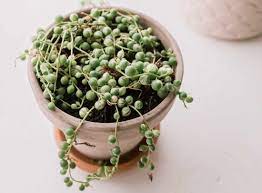
The Spruce / Kara Riley The Senecio genus of succulents gives us so many interesting leaf forms, including the string of pearls S. rowleyanus, which so closely resemble every kid’s least favorite veggie (but isn’t at all edible).
The plant’s unusual leaf form helps it thrive in its native South Africa, where the spherical leaves both maximize water retention while minimizing leaf surface area that would result in water lost to evaporation.
String of pearls will trail daintily from a small hanging container in a warm room with filtered light; snip off the pearls as needed to shape and keep in bounds.
-
03
Air Plant
:max_bytes(150000):strip_icc():format(webp)/grow-air-plants-1902663-01-f34f5b1e52614947aa1b0ebaeeb0aea7.jpg "9 Tiny Plants for Cute Indoor Gardens 4")
The Spruce / Kori Livingston Few plants are as forgiving as those in the Tillandsia genus. These epiphytes or air plants live perched on branches in frost-free environments, taking the moisture they need from the air using specially adapted scales on their spiky leaves.
________________________________________________________________________
Read Also : Environmental Technology: What Is It and How Can It Help Us?
________________________________________________________________________
Mount them on driftwood, arrange them in a basket, or create a soil-free mini terrarium for these mess-free plants. They grow very slowly and need little more than partial sunlight and a weekly dunking in water to stay hydrated.
-
04of 09
Donkey’s Tail
:max_bytes(150000):strip_icc():format(webp)/grow-sedum-morganianum-1902975-HERO-e0fc8a0a960c45e387a9d7f8d852838d.jpg "9 Tiny Plants for Cute Indoor Gardens 5")
The Spruce / Letícia Almeida Sedum morganianum is the perfect houseplant for that person who has a bright sunny spot that has room for a small trailing or creeping plant. The fleshy, succulent leaves of the donkey’s tail are a clue to the drought tolerance of this plant.
You should grow donkey’s tail in a sandy cactus potting mix to prevent root rot. If you accidentally break off one of the stems, don’t discard it; donkey’s tail is easy to propagate with cuttings. Just insert the cut end into some soil, and place under a clear enclosure until it forms roots.
-
05of 09
Scotch Moss
:max_bytes(150000):strip_icc():format(webp)/GettyImages-8285242701-5c561a3446e0fb000152f07c.jpg "9 Tiny Plants for Cute Indoor Gardens 6")
dmf87/Getty Images A patch of bright green Sagina subulata ‘Aurea’ conjures up notions of garden fairies, gnomes, or any woodland creature who might like to nestle in the ethereal mossy foliage of this one-inch tall plant.
As a Scotland native, Scotch moss prefers the cool, moist conditions of its homeland. Frequent misting will keep your moss perky and bright. Indirect light from a north-facing window will help to maintain the chartreuse color without scorching the plant.
If your moss produces tiny white flowers, you’ll know you’ve mastered its growing requirements.
-
06of 09
Wooly Thyme
:max_bytes(150000):strip_icc():format(webp)/GettyImages-1057912404-5c5616eb46e0fb0001c089c4.jpg "9 Tiny Plants for Cute Indoor Gardens 7")
apugach/Getty Images Wherever you need a pick-me-up of aromatherapy, place a container of Thymus pseudolanuginosus. The soft, fuzzy leaves are so touchable and release a savory burst of thyme scent with every pinch.
The slow-growing plants only reach three inches in height and creep slowly to form a dense, wooly mat in a full sun container (and may even flower). Water wooly thyme sparingly, when the soil’s surface is dry to the touch.
-
07of 09
Venus Fly Trap
:max_bytes(150000):strip_icc():format(webp)/GettyImages-686792219-5c5646c246e0fb00013fb6cf.jpg "9 Tiny Plants for Cute Indoor Gardens 8")
Tim Forsström/Getty Images Venus flytrap plants are sometimes billed as a novelty plant for kids, but with a little care, they make the perfect small houseplants. The leaves of Dionaea muscipula, with their teeth-like raspy edges, are equipped with trigger hairs that, when touched twice, snap shut on prey insects like those pesky fruit flies you’ve been trying to get rid of.
These quirky plants have some equally quirky growing requirements: They do well in a peat moss growing medium, and being sensitive to minerals, need distilled water. Add bright light and cool winter temperatures to ensure a long life for your Venus flytrap.
_______________________________________________________________________
Read Also : Nuclear tests in 1960s may have contributed to climate change
________________________________________________________________________
-
08of 09
African Violet
:max_bytes(150000):strip_icc():format(webp)/GettyImages-1016201602-5c564cc6c9e77c00016b3609.jpg "9 Tiny Plants for Cute Indoor Gardens 9")
onepony/Getty Images What’s old is new again. African violets (Saintpaulia) were the “it” plant for your grandparents, but they are enjoying a resurgence, spurred perhaps by fun and funky new varieties with ruffled or picotee blooms and variegated foliage.
One thing that hasn’t changed is the compact size of African violets, and their free-flowering nature. These plants like tiny pots, which spurs blooming. Keep your African violets moist and pot-bound, give them bright light, and feed them with a balanced flower fertilizer to keep them performing all year.
Continue to 9 of 9 below. -
09of 09
Purple Shamrock
:max_bytes(150000):strip_icc():format(webp)/KaraRileyOxalis-17-f3bd3439d38143d4ae59cd8bd67ab3f7.jpg "9 Tiny Plants for Cute Indoor Gardens 10")
The Spruce / Kara Riley The Oxalis genus contains several hundred clover species, some of which are weeds, and some of which are highly ornamental. The burgundy or red cultivars, which may produce yellow or white flowers, often appear in garden stores around St. Patrick’s Day.
Plants grow six inches tall and eight inches wide in containers, which you should keep on the dry side.
NOTE – This article was originally published in thespruce and can be viewed here