

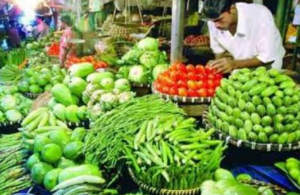
Biotechnology enables food production, gives rise to microbial inoculants to improve properties such as the taste, aroma, shelf-life, composition, and nutritional importance.(Food Processing) The procedure by which micro-organisms and their enzymes generate these attractive modifications in food substances is known as fermentation. Fermentation processing is also widely pertained to the generation of microbial cultures, enzymes, flavors, fragrances, food additives, and a span of other high value-added crops.
“Buy Organic Products Online at best prices at http://www.getgreen.co.in “.
Opportunities for Biotechnology in Agriculture Food Processing
Elevated crop yield
With the increasing public need for food, it has evolved somewhat crucial to improve the findings of farms to fulfill that desire. Biotechnology has given rise to it feasible by enhancing disease and drought resistance. What they do is that they assign particular genes of disease resistance and inject them into the DNA of plants to create them reluctantly.
Elevated Protection of Crops
Farmers use modern growths in pest supervision because if not, there is a hazard of drastic reduction of yields. As we were examining a few moments before how insect pests are assassinated when they bite into harvests, this is because the plants have been altered in a way to give rise to such a protein that is harmful to those pests.
Increased Nutritional Importance
Biotechnology doesn’t only make plants more reluctant to exacerbating climate modification but makes them decent. Specific isolated genes can even be injected into the genome of plant species to boost their nutritional importance. This theory was initially put into exercise with rice, one of the extensively eaten foods of the region. It was found out that rice included Vitamin A in their genes, but while thriving, those genes would not be ‘turned on’ to announce. So what scientists did was to overturn the procedure and thereby generate those genes during development.
Enhancements in Food Processing
Chymosin is an enzyme generated from genetically planned bacteria. It was the early food crop to get permission for commercial creation. It renovates and active component calf-rennet utilized in cheese-manufacturing procedures. The genetically engineered enzyme has evolved so integrated into the system that it’s now in 60% of all cheese generated worldwide.

Better Flavors
Comprehend it or not, genetic engineering can also modify the taste of food commodities. This is done by facilitating the action of enzymes that function to alter aroma precursors into flavoring blends. Transgenic melons are being studied and are undergoing field examinations presently.
Fresher Increased Shelf-life
Agricultural biotechnology can also boost the frame life of food crops, which could enable lessening waste and allow consumers entry to fresher harvest. By allowing the food products to stay grown up and stave off them from over-ripening, least food would go to garbage.
Benefits to the Environment
As we examined above, transgenic harvests became naturally reluctant to pesticides, which oversaw the much-reduced design of pesticides. Only the organic farmers now desire to pertain to the ‘natural’ insecticides externally, which is quite the victory. With lessened use of pesticides, there is diminished pesticide garbage on food crops and alleviated leeching of pesticides into the groundwater and available rivers and lakes.
Read Also : WHAT IS ORGANIC FOOD | IS IT REALLY CHEMICAL-FREE?
Challenges of Biotechnology in Agriculture
Allergens and Toxins
Most of us understand what an allergic response is; it’s just an immune reaction to a protein (allergen) that the body is precisely allergic to. These proteins are called allergens and are current in food commodities. About 2% of the entire community on the earth is allergic to one or two food commodities. A central question is the risk of inaugurating new allergens into foods initially deemed comfortable and available of all allergens.
Antibiotic Resistance
When plants are instilled with new attractive characteristics, the antibiotic opposition genes can find and track the features. This method tells us that the gene transfer was profitable. However, since this procedure utilizes these antibiotic opposition genes, there is an interest that new antibiotic-resistant bacteria could arise, which would be impossible to attack with traditional antibiotics.
Ability of Superweeds
As we were examining how the antibiotic opposition gene in plants could flee and come out in bacteria. A related interest is that transgenic plants could pollinate with the undesirable plants (weeds) and thereby broadcast the gene of herbicide-resistance or pesticide-resistance into them, thereby renovating them into ‘superweeds.’ An instance would be how glyphosate-resistant plants could cross-pollinate with weeds and give rise to them glyphosate-resistant as well. This may be feasible, but the opportunities of it transpiring are meager. But this doesn’t mean the plants would be reluctant to all herbicides; other herbicidal crops could also help.
Gene Escape
Some understand the genes could get into the weeds, and then those plants could hide in the wild and lead to adverse differences to Ecosystems. But the thing is, these biotech harvests have restricted development and seed diffusion habits, which doesn’t enable much of an opportunity to pollinate. Other than that, these plants require constant awareness by humans for them to develop appropriately.
The consequence on ‘non-target species’
Many environmentalists understand that once these transgenic plants are published into the environment, there is a lot of tension on what could occur. Although the transgenic harvests are interviewed for more periods than one could charge, one can’t predict what could happen. Other than that, Recent researches have implied a consequence on the lifespan and mental capacities of insects that nourish these plants.
Insecticide Resistance
A reasonable interest is that insect pests could formulate resistance to the insecticide, which is ingrain in the biotech harvests. Hence, they could avoid the crop-protection characteristics of those plants and be quite adverse. However, the main illustration we talk about is corn grains, which, even after being seeded widely, have not led to the growth of any insecticide compassion.

Food Labels
People assert ha they have the freedom to know precisely what they are expanding, and this is why they plead that outstanding labels be put on food commodities arose from genetically engineered harvests. In the US, corporations are only to position a label if the new food crop is different in their nutritional importance, configuration, or if they present any health hazards.
Read Also : UNCULTIVATED FOOD
Suicide Seeds
This is also known as genetic use regulation technology. Farmers are compelled to purchase new hybrid seeds every season because the next generation of seeds from biotech harvests are always exhausted. This infertility is due to ‘terminator genes’ existing inside sources. It’s like a single-use crop.
The strategies pertained to the confidence of food safety emphasis on the detection and regulating of risks. Biotechnological growths have led to the extensive availability of designation techniques that are more immediate and less expensive than those based on traditional methods.
Image Sources
https://images.app.goo.gl/ALqT5ZkrSLkuNRU4A
https://images.app.goo.gl/mLA7isssh1epRKrF8
https://images.app.goo.gl/VDWLZkwA24mvQa639
Tags: #agriculture, #biotechnology, #food, #foodie, #foodindustry, #foodmanufacturing, #foodprocessing, #foodproduction, #foodsafety, #foodscience, #foodtech, #foodtechnologist, #foodtechnology, #instagood







Trackbacks/Pingbacks