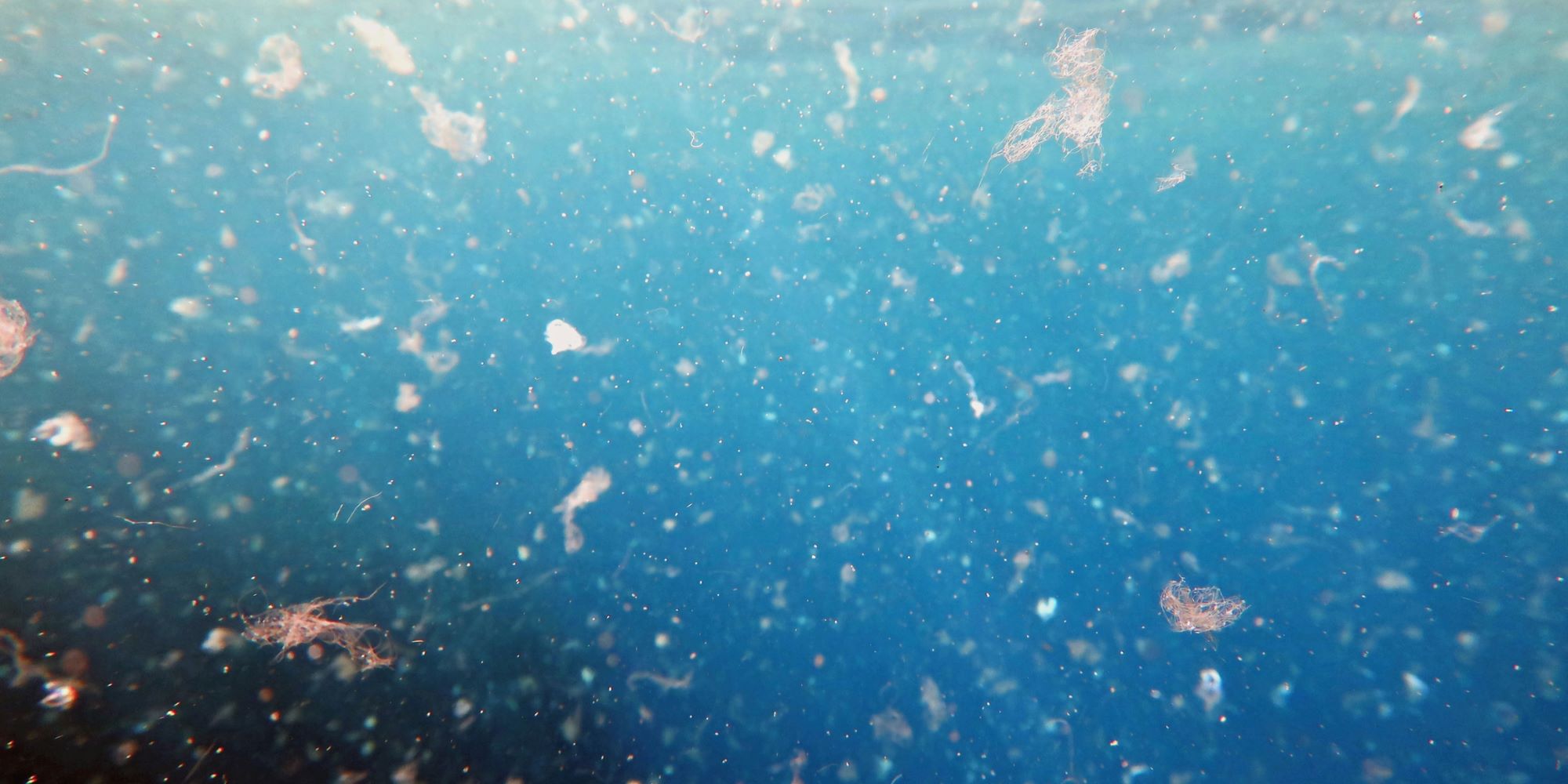

“Plastic production increased from about 1.7 million tonnes in the early 1950s to more than 310 million tonnes in 2015,” says Dr. Beverley Henry, associate professor at the Institute for Future Environments, at Queensland University of Technology in Australia, and one of the authors of the study. In the interview with Cotton Incorporated, she continued, “However the exponential rise in waste including synthetic microfibers from apparel and textiles started around 2000 with ‘fast fashion’—around the same time polyester overtook cotton in fiber production.”
Nearly a third of consumers (30 percent) are aware of microplastic pollution, according to the 2020 Cotton Incorporated 2020 Lifestyle Monitor™ Survey. That’s an 11 percent increase from last year, and a 76 percent jump from the 17 percent who were aware of it in 2017.
This awareness is significant, as 75 percent say knowing about microfiber pollution will affect their apparel purchase decisions, according to the Monitor™ research. More than 6 in 10 (62 percent) say after learning about microplastic pollution, they’re bothered that brands and retailers are using synthetic fibers in their clothes.
Additionally, after learning about synthetic micro-particle waste, more than half of all consumers (56 percent) will likely check the fiber content label before purchasing clothes to avoid those made from fibers like polyester, acrylic and nylon, according to the Monitor™ data. That number significantly increases to 64 percent among Boomer shoppers. And nearly three-fourths (73 percent) of consumers seek out clothes made from sustainable, environmentally-friendly or natural materials at least some of the time.
The theme of World Water Day 2020 is focused on water and climate change. Organizers want climate policy makers to put water at the heart of action plans. They are also promoting that “anyone, anywhere” can take water actions to address climate change.
Consumers might not yet be aware of the double whammy microfiber particles have on the environment. Besides polluting water bodies, and entering both the food chain and drinking water, a study from the University of Hawaii at Manoa found that microplastic pollution contributes to climate change. The team found that when plastic is exposed to sunlight, it releases methane and ethylene, both of which contribute to global warming.
“Because polyethylene is the most common polymer, it is anticipated to be the most common form of plastic pollution in surface ocean waters worldwide,” the University of Hawaii study states. “In addition, as microplastics with greater surface area are produced, hydrocarbon gas production rates will likely accelerate.”
Read Also : Alarm over microplastic in the womb
Dr. Henry, along with Kirsi Laitala, senior researcher, and Ingun Grimstad Klepp, a research professor, both at Consumption Research Norway at Oslo Metropolitan University, also performed a study that focused on microfibers from synthetic textiles to see whether it was possible to “define an indicator to guide early action to reduce future harm.” The team concluded there is no simple solution to eliminating the risks of microplastic waste.
“All actors in each segment of the complex plastic supply chain need to share responsibility,” the team wrote. “For the textile industry, we propose options that include reducing consumption in total, changing laundry practices to decrease release of synthetic fibers and increasing the share of natural biodegradable fibers. These actions are possible now.”
It may be a wise move for the industry to start using more natural fibers. Already, 81 percent of consumers say that compared to synthetic fiber clothing, cotton apparel is the most sustainable, according to Monitor™ research. Further, 73 percent say cotton clothes are the highest quality and 66 percent say they last the longest.

Some fashion brands are turning to textiles made from recycled plastic bottles. While this is giving the bottle new life, the apparel ends up having the same ill effect on the environment as any other petroleum-based textile. And as Claire Arkin, communications coordinator for the Global Alliance for Incinerator Alternatives, told the Yale Climate Connections, “We can’t recycle our way out of the plastic pollution crisis. There’s simply too much plastic – single-use plastic – being produced and consumed.”
Which is why Henry advocates for using more natural, biodegradable textiles in the Cotton Incorporated interview.
“In terms of microfibers, there is little doubt that all textiles — whether natural or synthetic — shed during production, use and disposal,” she says. “But there is credible evidence that fibers of wool and cotton biodegrade in ocean water due to the action of naturally occurring microbes such as bacteria and fungi to produce harmless molecules that are used again in natural ecosystem cycles. On the other hand, plastic microfibers persist for many, many (possibly hundreds of) years.”
Cotton Incorporated is a global resource for all things cotton. The research and promotion organization continues its near-50-year commitment to providing expertise and information on all aspects of the global cotton supply chain: from dirt to shirt—and beyond. Additional relevant information can be found at CottonLifestyleMonitor.com.