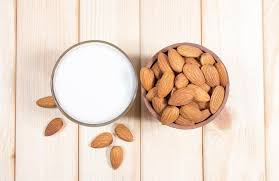

Cow’s milk has played a monumental role in the American diet for many generations. Prior to the industrial revolution, milk was primarily consumed in rural communities, but as demand grew, large-scale production methods were developed, and the introduction of pasteurization, the milk separator, and improved breeds of dairy cows accelerated America’s milk obsession.
_______________________________________________________________________
Read Also: Top 5 tech innovations in agriculture
_______________________________________________________________________
But cow’s milk has fallen out of favor.
Since 1970, per-capita milk consumption overall has dropped by 37 percent, while that of whole milk has fallen by as much as 78 percent. Sales of milk have soured as more people reject saturated fats and turn toward a lactose-free diet, ushering in the era of non-dairy milk. Although soy milk and rice milk have existed for decades, the emergence of almond milk has reinvigorated the non-dairy milk industry, so much so that sales of almond milk have grown 250 percent over the past five years.
Almond milk in an ancient product, well-known around the Mediterranean world and beyond in medieval times and common to both Christian and Muslim cuisines — the former in large part because it was suitable for consumption during Lent and other periods of religious abstinence when animal products were forbidden, the latter primarily because it wouldn’t spoil quickly as cow’s milk would in the days before refrigeration. Today, almond milk is hotter, trendier, and more expensive than cow’s milk; but is it really any healthier?
_______________________________________________________________________
Buy Organic Products Online at best prices at http://www.getgreen.co.in .
________________________________________________________________________
Cow’s Milk
Cow’s milk has been featured prominently on USDA dietary guidelines for decades because it’s a plentiful source of protein as well as three primary nutrients: calcium, potassium, and vitamin D (which is added through fortification). A deficiency in potassium may lead to high blood pressure and a lack of calcium weakens bone strength.
But milk has some drawbacks. A cup of whole milk contains 149 calories, which is relatively high compared to other beverages. Whole milk is also a major source of saturated fat — the kind of fat that has been linked to high blood pressure and heart disease. There also exists a body of evidence associating dairy consumption with prostate cancer, but more research is needed in that area. Although the dairy industry has introduced low-fat milk varieties, many of milk’s beneficial nutrients are fat-soluble, meaning they require fat to be absorbed by the body.
_______________________________________________________________________
Read Also: Save The Soil From Chemicals To Save Your Body!!
_______________________________________________________________________
Almond Milk
The process of making almond milk is similar to that of brewing coffee. Almonds are soaked in water overnight and blended with water until smooth. The mixture is then strained through a cheese cloth or filter. Despite the fact that whole almonds are rich sources of fiber, protein, and calcium, almond milk is not. When almonds are transformed into liquid, unfortunately none of the beneficial fiber or nutrients are transferred to the final product. Many popular brands of almond milk are fortified with nutrients such as calcium and vitamin D to make them look nutritionally comparable to dairy milk. Almond milk is naturally lactose-free, is low in calories, and contains no saturated fat; but to improve its viscosity, some almond milk manufacturers add carrageenan, a seaweed derivative that may cause digestive problems. Almond milk is also environmentally unsustainable. California, the global leader in almond production, dedicates nearly 10 percent of all its water resources to almond cultivation.
Tags: #almond, #Almondmik, #calcium, #cow, #cowmilk, #dairy, #dairyproducts, #getgreen, #gngagritech, #greenstories, #healthy, #milk, #natural, #yogurt