http://www.geography.learnontheinternet.co.uk/topics/acidrain.html
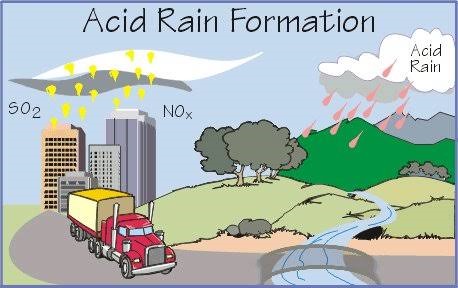
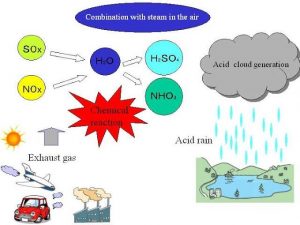
Acid rain is defined as precipitation in different forms containing acidic segments, viz sulfuric acid or nitric acid. The chemical reaction begins when compounds like nitrogen oxide and sulfur dioxide are released into the air, this causes acid rain.
The precipitation is not only in the liquid state – dust, rain, fog, and hail also come under this. Acid deposition occurs in either form, dry and wet deposition.
“Buy Organic Products Online at best prices at http://www.getgreen.co.in “.
In 1852 an English Scientist Robert Angus Smith introduced the term “acid rain”. Smith coined the term while analyzing rainwater chemistry near industrial cities in England and Scotland.
Causes:
http://envis.tropmet.res.in/kidscorner/acid_rain.htm
The United States began researching the phenomenon in the 1950s. In the 1960s and early 1970s, acid rain came into recognition and was discerned as a regional environmental issue that impacted Western Europe and Eastern North America.
Human activities are the main cause of acid rain but natural disasters have asserted to be a factor as well.
For instance, erupting volcanoes release water vapor and gases, these gases react with vapor and precipitate as acid rain.
Rotting vegetation produces carbon dioxide as part of the transpiration process.
65 million years ago, after the extinction of dinosaurs due to a presumed asteroid, sulfur trioxide was exploded in the air. After coming in contact with the air, it turned into sulfuric acid, inducing rain filled with acidic components.
It is speculated that over 4 billion years ago the air may have had ten thousand times as much carbon dioxide as at present. Geologists from the University of Wisconsin-Madison seconded this theory by exploring rocks and circulating the results in a journal Earth and Planetary Science Letters in 2008.
Read Also : What would human history look like if told through our relationships with animals?
Sulfur dioxide and nitrogen oxides released by power plants are a major cause of acid rain. According to EPA, two-thirds of sulfur dioxide and one-fourth of nitrogen oxide found in the environment hail from electric power generators.
Effects:

https://www.britannica.com/explore/savingearth/acid-rain
Acid rain impacts almost everything, plants, soil, and even buildings or monuments can be transformed by the downpour. It has also caused damage to lakes, streams, wetlands,percentstabilizing, and the aquatic environment. The combination which acid rain carries makes waters toxic to aquatic life.
This rain has been tough on trees, they are left unhealthy and vulnerable due to the same. Essential nutrients are taken away from the trees which makes it hard for trees to take yo water.
Marble and Limestone consist of calcium carbonate. Though these are known for their durability, buildings and monuments are made up of marbles and limestone, but they are now gradually eroded by acid rain.
Acid rain can furthermore distort the composition of soil and water bodies, making an imperfect habitat for local organisms. A neutral solution has a pH of 7. This kind of rainwater raises acidity which results in fishes’ lives coming to an end. Most species cannot survive in water with a pH of 5. When pH becomes 4, the particular water body is considered lifeless.
Solutions:
https://tutuwimufopykuf.cerrajeriahnosestrada.com/acid-rain-prevention-essay-47325zh.html
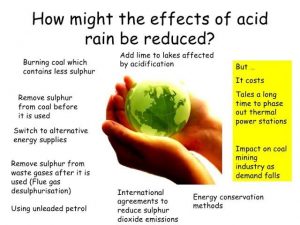
The only way to ameliorate the situation and combat acid rain is to limit the release of contaminants that provoke it.
Regulation of harmful gases emitted by vehicles and buildings is a necessary step. This can be achieved by impeding the usage of fossil fuels and concentrating more on sustainable energy sources namely solar and wind power.
Individual roles are also very important in progressing to a healthy environment. People can lessen their automobile use and can travel by public transports or can prefer walking when their destination is near. People should also avoid wastage of electricity and shift to renewable sources e.g. wind and geothermal energy or they can also switch to alternative energy sources such as using gas boilers instead of coal or oil boilers.
Some regulations and programs are aimed towards reducing acid rain.
EPA’s Acid Rain Program:
The electricity that we use every day is generated by power plants, woefully, these plants also produce huge proportions of nitrogen oxides and sulfur dioxide that bring about acid rain – when fossil fuels are burned to create energy.
The Clean Air Act of 1990 in the US targeted acid rain, placing pollution limits that enabled in deducting sulfur dioxide emissions 88 per cent between 1990 and 2017.
These movements have improved red spruce forests in New England and the population of fishes to heal from the ravage caused by the rain of acidity. Recently, soils of eastern and Northeastern US have shown indications of stabilising nutrients.
Reducing Pollution-
Scientists have uncovered numerous ways to decrease the quantity of sulfur dioxide discharged from coal-burning power plants. There are two options, one to use coals with less sulfur and another to rinse the coal to eliminate sulfur. The power plant can also induct equipment called scrubbers to wipe out sulfur dioxide from gases.
Read Also : Spot These 6 Rare and Exotic Animals Only in India
Other sources of energy-
An incredible way to lessen acid rain is to produce energy without the use of fossil fuels. People can turn to solar energy or wind power. Renewable Energy sources enable us to reduce acid rain because they generate less pollution. These provide energy in electricity generation, air, and water heating/cooling, and transportation.
Cleaner cars-
Automobiles are primary sources of air pollution. All the vehicles put together to create a pretty huge amount of pollution. Accordingly, automobile industries are required to reduce the volume of concerned gases that can harm the environment. The catalytic converter is a technology that has been used for over two decades to limit the number of nitrogen oxides released by vehicles. Upcoming cars or other vehicles can also use cleaner fuels such as natural gas.
Cars that emit little or no harmful gases are favorable for the environment and are titled low emissions vehicles.
Tags: #acidrain, #climate, #electricity, #environment, #getgreengetrowing, #gngagritech, #gogreen, #greenstories, #nature, #plant, #Pollution, #rain, #rainfull, #wastage, #woefully