Habitat destruction (also known as habitat loss or habitat reduction) is a situation in which natural ecosystems’ natural living conditions are no longer appropriate for the survival of native species.
This means that many animal and plant species will become extinct over time. Human activity is responsible for the majority of habitat loss.
The causes, consequences, and solutions to habitat loss are discussed in this article.
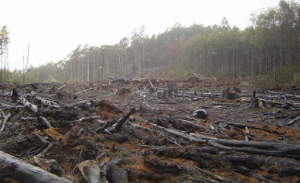
Causes of Natural Habitat Loss and Destruction
Knowing that habitat destruction causes the death of animals and has a detrimental effect on the climate, it’s fair to wonder why we continue to practise behaviours that harm biodiversity.
________________________________________________________________________
Read Also : Case study: Mandi system of Punjab v/s Bihar, amidst the ongoing protest
________________________________________________________________________
- The agriculture sector is one of the key factors. Unlike in the past, when small plots of land were used to grow crops for families and local communities, farming is now a massive enterprise that can be managed by large companies and involves the mass processing of foods that can be sold for profit quickly. More land is needed to grow more edible products, and additional land must be cleared to meet these demands.
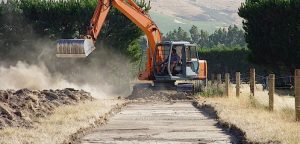
- The vast majority of natural ecosystems are now demolished to make way for human settlements. We make the decision to clear land for large buildings and profit-generating attractions. Habitats aren’t always killed in order to make room for humans. They are also demolished so that the materials they contain can be used to keep us warm. For example, trees are used to make a variety of paper goods, and wood is used to make furniture and other household items.
- Habitats are now being destroyed to make way for more industries and to satisfy the demands of big companies. When you consider how many shops, houses, and different places of business exist, you can see that they occupy a significant amount of property. Many of them still stand where wildlife and natural ecosystems once existed.
- Examples of areas known as wetlands include swamps and marshes. Wetlands are soil regions saturated by water. Some of these humidities are formed on the basis of the season, others in a certain region. Wetlands have a unique and highly diverse ecosystem. In contrast to the forests in which we cut trees and make the land more compact from above, we fill the wetlands so that we can put up stuff.
Effects of Habitat Loss and Destruction
While we make space for people, we sometimes ignore the homes in which they are destroyed.
________________________________________________________________________
Read Also :10 High-Protein Fruits to Add to Your Diet
________________________________________________________________________
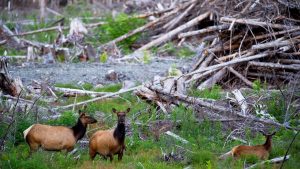
- Habitat loss for different species is the leading cause of extinction which is why a large number of animals are at risk. Animals are really smart creatures but cannot defend themselves and look after their young people without their natural homes.
- The ground must be level as we move to homes and buildings in order to stable the building and to begin the building process. This is generally why bulldozers pass through forests in order to clear trees and flatten their grounds. This transition is so quickly taking place for animals that there is little time to adjust to such dramatically changing conditions.
- For periods of bad weather or when the food is no longer in the season, animals store food and water. Natural shelters are similar in bad weather to human houses, which defend against tempests, heavy rain or high temperatures. When the wildlife is displaced, the whole way of life changes. Many animals use their homes as a place where predators can find solace. Young animals in the wild still need to be handled in different ways. They must be shielded from predators who are defenceless and must learn to hunt and pick up their own food.
- Ecosystems are the way nature can balance the organisms and the ecosystem. Life in the wild with everything being connected is instinctual. All from grass blades to highest trees is intended. Terrain and from one another animals survive. When we disrupt this equilibrium, they always become confused and lost and hurt. The end result is death and the failure to reproduce offspring of the species.
- We still have to look at what happens on the field. Many plants cannot grow any more because they immediately alter the composition and soil quality, and remove the nutrients and plants’ room for cultivation. The soil itself is also filled so tightly with human equipment that many plants cannot grow and the plant form would be lost entirely if it was not sown elsewhere.
- Another problem, which contributes to pollution leading to habitat destruction, is the ruin of large volumes of land used for industrial agriculture. Agriculture also needs a lot of chemical, toxic ingredients and fertilisers, pesticides and other products. These substances are used to secure and support crops. The poisonous substances ultimately consume the soil and flow to lakes, rivers and seas to intoxicating waters and animals.
- Furthermore, we are disrupting underwater habitats by syphoning water and changing the way it flows to meet human needs for drinking water and crop irrigation. The resulting imbalance causes certain areas to be particularly dry, which is harmful to aquatic ecosystems and wildlife.
- Humans are harming themselves by destroying natural ecosystems, which contributes to global warming and climate change. The more trees that are taken down, the more carbon dioxide is released into the atmosphere, causing the Earth to warm up faster. Various species are being wiped out as a result of the temperature rise, especially in areas where the changes are dramatic. As a result, as time passes, temperatures are getting more uncomfortable for us, as more greenhouse gases are released into the atmosphere.
Solutions of Habitat Loss and Destruction
The penalties for illegal dumping will be increased
Illegal dumping remains a major issue, especially in developed countries with low fines. As a result, fines should be dramatically increased, especially in those countries, to reduce the incentive for illegal dumping and the damage and contamination caused by such practises.
Emissions of greenhouse gases are being reduced
Since our greenhouse gas emissions lead to global warming, which is a major factor in habitat loss on a global scale, it is critical that we reduce our greenhouse gas emissions dramatically.
The transition from fossil to renewable energy sources, which is already on the agenda of many developed countries, is a vital step toward reducing greenhouse gas emissions.
Protection of our oceans
It is important to preserve our oceans because they are home to a diverse range of mammals, corals, and plant species.
Many countries across the world continue to dump large amounts of waste into our oceans, resulting in serious contamination and the degradation of many animals’ and plants’ habitats.
As a result, policymakers all over the world must pay careful attention to this problem and take steps to eliminate ocean dumping.
Fertilizer and pesticide use are being reduced
Since excessive use of fertilisers and pesticides causes substantial soil contamination, which leads to habitat degradation, farmers should low their use of these substances in order to conserve natural habitats and protect our soil and groundwater.
More nature reserves are required
To ensure that our natural ecosystems are preserved in the future, governments around the world should establish more nature reserves to protect our animal and plant species from human interventions such as mining and other practises that could damage our climate.
________________________________________________________________________
Read Also : Top 10 Fat Burning Fruits to Supercharge Your Weight Loss
Stop deforestation
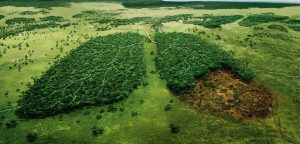
Since our forests, especially our tropical rainforests, are natural habitats for the majority of the world’s animal and plant species, it is critical to halt deforestation and thus conserve those priceless natural ecosystems. Only then will we be able to maintain biodiversity and maintain our planet’s ecological balance.
Changing our consumption habits
By altering our consumption habits, each of us will contribute to the protection of natural ecosystems. In today’s culture, everybody wants the most up-to-date products, such as the most fashionable clothing, the most up-to-date gadgets, and so on. However, this means that we are inefficient in our resource use.
We can reduce our resource use by modifying our consumption habits and keeping our old items for longer, which would reduce the need for mining and other activities that result in the loss of natural ecosystems.
Reduction in waste
Since our waste often ends up in our oceans or must be burned, resulting in substantial greenhouse gas emissions, reducing our total waste production is critical in order to protect our natural ecosystems. Reduce your total consumption to cut down on waste output.
Furthermore, you should make an effort to repurpose old products. You might, for example, gift your old items to family and friends who may still want to use them, or donate them to charity.
If no one wants your old stuff, at the very least make sure that your waste is properly separated so that it can be recycled efficiently.
Population control measures
When the world’s population grows, so does overall consumption, waste production, and greenhouse gas emissions, all of which lead to the degradation of natural environments. As a result, countries all over the world should take steps to limit births in order to reduce the total number of people in the long run.
This could be accomplished, for example, by a one-child policy or other population reduction initiatives. Population management, on the other hand, is a contentious issue with many advantages and disadvantages.
Education
Education is important for resolving a variety of issues. When it comes to the degradation of natural ecosystems, this is also so. Many people are completely unaware of how their behaviours affect the world.
As a result, it is important to inform both the general public and our children about the importance of their acts in the light of habitat loss.
As a result, this education should begin in elementary school so that children become aware of the issue and take steps to protect our natural ecosystems.
These children can also persuade their parents to be more environmentally conscious, thus enhancing the educational initiatives’ positive effects.
Raising awareness
If at all necessary, you can also raise public concern about habitat loss. For example, if you see people acting in an environmentally irresponsible manner around you, you might explain to them how important it is to reduce emission levels in order to protect our natural ecosystems. You can persuade some people in this way, thereby multiplying your positive environmental effects.
Conclusion
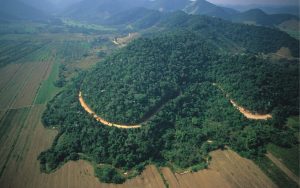
The loss of habitat is a major environmental problem. Large areas of land are used for mining and other uses as a result of our unsustainable use of material products, resulting in substantial habitat loss for a number of animal and plant species. As a result, it is important that each of us contributes to the preservation of our natural ecosystems.
In order to protect such natural living areas, governments all over the world must enact strict regulations. Only then would it be possible to maintain biodiversity while still maintaining global ecological equilibrium.
Tags: #climate, #climatechange, #climatecrisis, #ecofriendly, #environment, #getgreengetgrowing, #globalwarming, #gngagritech, #greenstories, #habitatloss, #native, #nature, #savetheplanet, #sustainability, #zerowaste