Causes of Melting Ice Glaciers
- Fossil fuel combustion
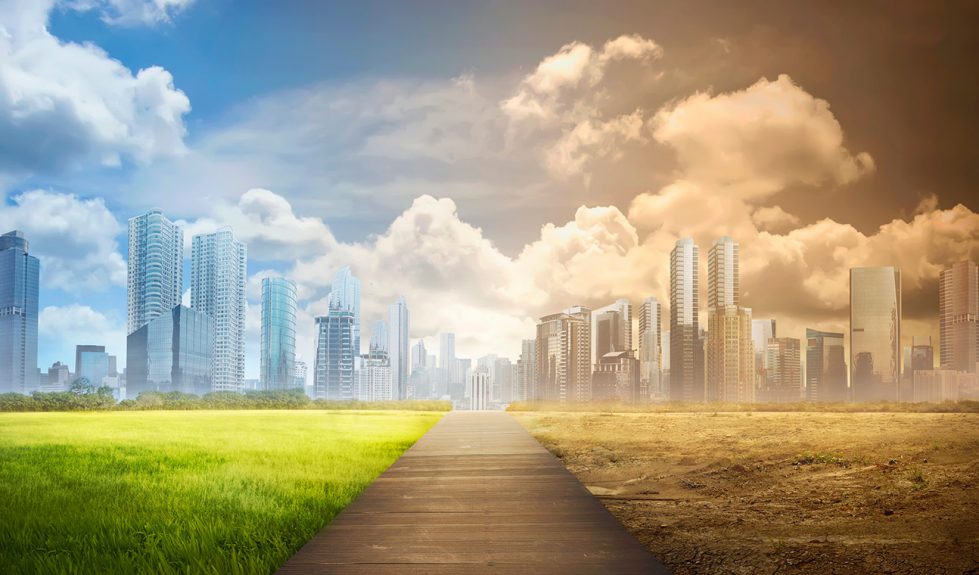
The burning of fossil fuels has caused greenhouse gas build up in the environment because greenhouse gases trap heat in the atmosphere, affecting the warming trend. As the climate warms, more glaciers melt, revealing the planet underneath.
According to research, glaciers are capable of absorbing about 20% of the heat from the sun while reflecting the remaining 80%. As a result of being exposed to the sun, the planet absorbs the majority of the heat and reflects a smaller percentage. This is a toxic cycle that has already impacted most areas of the globe and will be difficult to break if remedies are not implemented as soon as possible.
“Buy Organic Products Online at best prices at http://www.getgreen.co.in “.
- Oil and gas drilling
Methane, the key constituent of natural gas, is also released during the oil and gas extraction process. Furthermore, the gas is more harmful to the atmosphere than carbon dioxide, trapping heat more effectively and hastening global warming. Oil, gas, and coal extracted from government lands account for 21% of greenhouse gas emissions in the United States, including methane.
- Ice breaking ships
Icebreaking ships travel north through the Arctic Ocean during the summer months, breaking through the ice at sea and leaving open water trails behind them. The Arctic sea ice will represent the majority of the sun, keeping the Arctic and the rest of the Northern Hemisphere cold.

https://bit.ly/3hab24Q
Open water, on the other hand, has a lower tendency to reflect back sun rays than ice, so it absorbs more heat. As a result, the water warms up, causing more ice to melt.
Read Also : Climate change could reawaken Indian Ocean El Nino
- Deforestation
Trees play a critical role in the ecosystem’s balance and the planer’s overall cooling. Maybe that’s why they’re known as the “natural fans” of the world. As a result, chopping down trees to provide more room for human activities is potentially harming the environment’s balance.
Deforestation has a number of negative consequences, including increasing sea levels. Often, as a result of deforestation, there is a rise in the release of carbon dioxide while less of it is absorbed by plants. As a result, global warming and rising sea levels are accelerated.
EFECTS OF MELTING GLACIERS
The University of Zurich revealed in the aforementioned analysis that glacial melting has intensified over the last three decades. This annual ice loss has now surpassed 30 percent of the planned ocean expansion of 335 billion tonnes. The following are some of the most important consequences of deglaciation:
- Sea level rise:
Glacial ice has resulted in a 2.7-centimeter increase in sea levels since 1961. Moreover, there is enough ice (about 170,000 cubic kilometres) in the world’s glaciers to lift maritime levels by almost half a metre.
- Impact on the climate:
Glacial thawing at the poles is slowing oceanic currents, a phenomenon linked to global climate change and a series of increasingly severe weather events around the world.
- Disappearance of species:
Since glaciers are the natural habitat of a variety of animals, both terrestrial and aquatic, melting can result in the extinction of many species.
- Less fresh water:
As glaciers melt, there is less water available for human use, less hydroelectric energy generating capacity, and less water available for irrigation.
SOLUTIONS TO AVOID MELTING GLACIERS
Despite the rapid ice loss, glaciologists say there is still time to prevent the glaciers from completely disappearing. Here are some suggestions and ideas about how we can contribute to this goal:

- Stop climate change :
To slow climate change and save the glaciers, global CO2 emissions must drop by 45 percent over the next decade, and then to zero by 2050.
Read Also : Biochar: A High Performance Organic Fertilizer Created From Biomass
- Slow down their erosion :
The scientific journal Nature proposed constructing a 100-meter-long dam in front of the Jakobshavn glacier in Greenland, which is the glacier most affected by Arctic melting.
- Combine icebergs artificially:
Faris Rajak Kotahatuhaha, an Indonesian architect, received an award for his project Refreeze the Arctic, which involves collecting water from melting glaciers, desalinating it, and refreezing it to form massive hexagonal ice blocks. Due to their shape, these icebergs could be fused into frozen masses.
- Increase their thickness :
Apparently, the University of Arizona proposed an easy solution: ice processing. Their plan entails extracting ice from underneath the glacier using wind-powered pumps and spreading it over the upper ice caps, where it will freeze and reinforce the consistency.
Conclusion
As a result, we can see that melting glaciers have a cause, an effect, and a solution. Here we will see how it affects the environment and what the solution is. We hope you’ve grasped everything. If you have any problems, please let us know in the comments section below.
Tags: #california, #climate, #climatechange, #earth, #environment, #gas, #getgreengetgrowing, #globalwarming, #gngagritech, #greenhouse, #greenstories, #oil, #planet, #world