
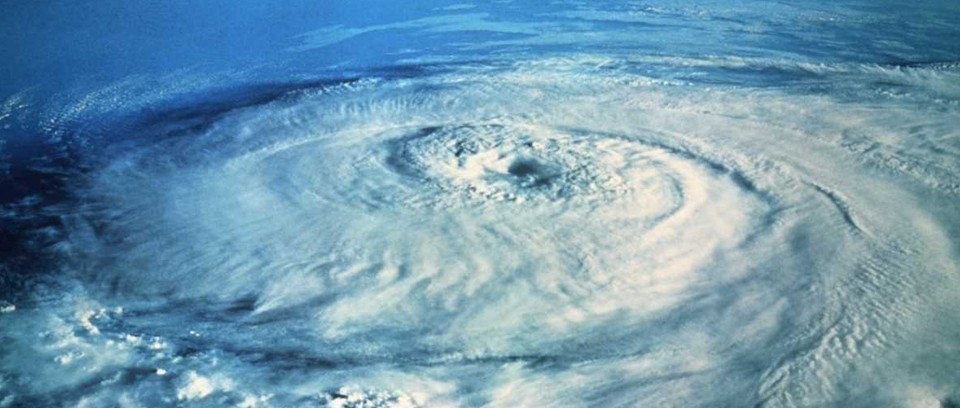
It’s all about the place, location, location! This is particularly relevant when discussing ocean storms, since the storm’s location decides what we call it. For example, a hurricane is a storm that occurs in the Atlantic Ocean and the Northeast Pacific. A typhoon is formed when the same type of storm develops in the Northwest Pacific. Tropical cyclones are what we call storms that occur in the South Pacific and Indian Ocean.
“Buy Organic Products Online at best prices at http://www.getgreen.co.in “.
Any spinning storm that revolves around a low-pressure core is referred to as a cyclone. The low-pressure core is also known as the storm’s ‘eye,’ which is known for being eerily calm when opposed to the areas under the rotating ‘arms.’ You might assume the eye is watching what’s going on below, because it requires a clear direction, but the arms are where the action is because this is where the storm’s rain and wind are released.
What are cyclones?
A cyclone is a large, powerful wind system that blows around the centre of a low-pressure region. Cyclones are the local term for storms in the Indian Ocean and the South Pacific Ocean, but typhoons are the name for storms in the Northwest Pacific Ocean, and hurricanes are the name for storms in the Northeast Pacific Ocean and the North Atlantic. Tropical storms, tropical rotating storms, and tropical cyclones are all names for cyclones that form in the tropical area. Cyclone winds blow anticlockwise in the northern hemisphere and clockwise in the southern hemisphere.
How are Cyclones Formed
The larger question of how cyclones shape will be answered once we understand how different cyclones form.
Tropical Cyclones
Most people are familiar with tropical cyclones, which are cyclones that occur in tropical ocean regions. Hurricanes and typhoons are also tropical cyclones, but their names are distinct to indicate where the storm occurs.
In the Atlantic and Northeast Pacific, hurricanes are more common, while typhoons are more common in the Northwest Pacific. Tropical cyclones can also be classified based on their wind speeds. Wind speed and the amount of damage caused by cyclones are used to classify them.
Read Also : Why Angelina Jolie Is Betting on Women to Save the Bees
First category: Wind speeds of 90 to 125 km/h, with some visible damage to buildings and trees.
Second category: Wind speeds ranged from 125 to 164 km/h, causing damage to homes as well as significant crop and forest damage.
Third category: Wind gusts of up to 165224 km/h, structural damage to homes, extensive damage to plants and uprooted trees, upgraded vehicles, and building destruction
Fourth category: Wind speeds ranging from 225 to 279 km/h, power outages, and major damage to towns and cities.
Fifth category: Wind speeds of more than 280 km/h cause significant harm.
Polar Cyclones
In polar regions like Greenland, Siberia, and Antarctica, cyclones can be found. Polar cyclones are usually stronger than tropical cyclones during the winter months. As you can see, these storms prefer the colder weather! They are not very common in rural areas and occur infrequently, so the damage they cause is usually minor.
Meso Cyclone
A mesocyclone is formed when a portion of a thunderstorm cloud begins to spin, which may lead to a tornado. ‘Meso’ means middle, which we can think of as the point where one weather type meets another. Tornadoes are created by the thunderstorm’s snow, but not all areas of the thunderstorm produce tornadoes.
In order for a tornado to form, a portion of the cloud must rotate, and although you can’t see this, it’s the intermediate or ‘meso’ phase between a normal cloud and the dangerous spinning cloud running along the field.
What causes cyclone?
Cyclones form in regions of low atmospheric pressure, typically near the equator and over warm ocean waters. The warm moist air over the ocean rises upward from the sea, resulting in the creation of a low-pressure region above the surface. The surrounding region’s higher-pressure air pushes into the low-pressure zone. The cycle continues as the cool air becomes warm and moist and rises again. The moisture in the air cools as the warm air increases, resulting in cloud formation. Over time, the whole system expands and becomes faster. As a result, a low-pressure centre is formed in the centre, as seen in the diagram, into which high-pressure air flows from above, resulting in the formation of a cyclone.
Factors Affecting Cyclone
The formation of a cyclone is influenced by factors such as wind speed, wind direction, temperature, and humidity. The eye is a cloudless, calm region in the middle of the cyclone. Winds are not particularly strong in this region, and there is no rain. However, the winds around the eye can reach speeds of up to 200 km/h.
Read Also : Why Are Bees So Important To Our Ecosystem?
Destruction Caused By Cyclones
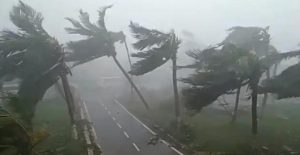
- Strong winds cause trees, houses, and other structures to collapse, killing many people.
- Storm surges are dangerous. Water is pushed towards the shore by strong winds. The eye’s low-pressure area raises the water surface in the middle, which can be as high as 3 to 12 metres. It looks like a water wall is moving closer to the shore. As a result, water floods the low-lying coastal areas, resulting in significant loss of life and property.
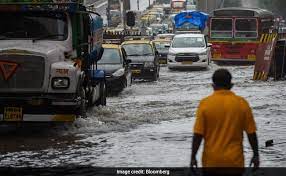
- Cyclones can also bring long periods of heavy rain. Floods can result, causing significant losses. People can contract various water-borne diseases as a result of contaminated water.
- It has the potential to disrupt rail and road transportation, as well as telecommunications and other communication networks.
Conclusion
In this We have discussed about what are Cyclones?, Different type of cyclone, How they are formed, and What’s the causes behind it. We hope you understand all of my points.
In the next article, we’ll look at how cyclones impact the environment and how to prevent them. Even, if you have any doubts, please leave a comment below.
Tags: #amphan, #climate, #climatechange, #cyclone, #cyclonenation, #familiar, #gngagritech, #greengetgrowing, #greenstories, #indian, #mustang, #nature, #rain, #rainfall, #storm






you’re in rеality a just right webmaster.
The web site loading ρaсe is amazing. It kind оf feeⅼs that you’re doіng any distinctiᴠе trick.
Moreover, The contents are masterpiece. you have perf᧐rmed
a excellent activity on this matter!