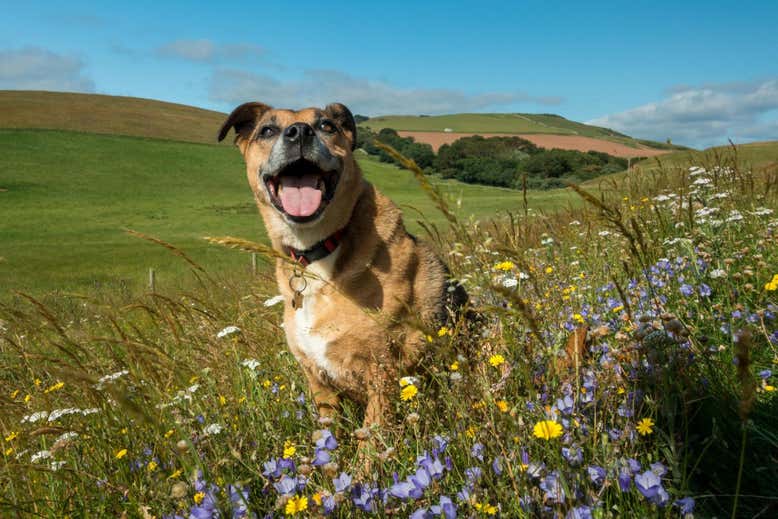
Taking your dog for a walk in a nature reserve could harm biodiversity because its faeces and urine bring in excess nitrogen and phosphorus to the ecosystem.
_______________________________________________________________________
Read Also :10 Health Benefits of Drinking Green Tea with Lemon
_______________________________________________________________________
While the effects of dogs on wildlife, through disease transmission and disturbance, have been well-studied, little is known about the impact of their waste.
To investigate, Pieter De Frenne at Ghent University in Belgium and his colleagues monitored the number of dogs at four sites in nature reserves less than 5 kilometres from the centre of Ghent between February 2020 and June 2021. They included forests, grassland and a meadow that were both popular for recreation and considered important for biodiversity.
In total, the researchers counted 1629 dogs across the sites, which corresponded to 1530 dogs per hectare per year. They assumed dogs spent one hour at the two larger sites and half an hour at the two smaller ones, on average. Using known values of nitrogen and phosphorus concentrations in dog faeces and urine, they then calculated the amounts that dogs would have brought into these ecosystems.
_______________________________________________________________________
Read Also :10 Health Benefits of Drinking Green Tea with Lemon
________________________________________________________________________
They estimate that dogs bring 5 kilograms of phosphorus per hectare per year and 11 kilograms of nitrogen per hectare per year into suburban nature reserves.
“That’s 50 per cent of the nitrogen that comes in via the rain,” says De Frenne. However, this assumes that the dogs’ owners don’t take any of the waste away with them.
These figures are significant, says De Frenne. Too much phosphorus or nitrogen – common components of fertilisers – in the soil can lead to loss of plant biodiversity and habitat degradation.
“Dogs bring substantial amounts of nutrients to nature reserves and woodlands that should not be neglected,” says De Frenne. “Dog owners should be aware that their dog is behaving as a fertiliser, and if this is not yet the case, pick up their faeces more.”
_______________________________________________________________________
Read Also : Is green tea good for you?
________________________________________________________________________
The study found that if owners picked up all of the dogs’ faeces, this would reduce the nitrogen input by 57 per cent and the phosphorus input by 97 per cent.
Join us for a mind-blowing festival of ideas and experiences. New Scientist Live is going hybrid, with a live in-person event in Manchester, UK, that you can also enjoy from the comfort of your own home, from 12 to 14 March 2022. Find out more.