
Behind that green sheen, biodegradable and compostable plastics have serious problems.

The plastic crisis can seem depressingly all-encompassing and impossible to escape: We’re producing more plastic than ever before, doing serious harm to the environment, the climate, and our own health, while our recycling system remains shamefully broken. So it may be comforting to pick up an iced coffee in a cup marked with a green “plant-based” label or be told that the plastic utensils you’re getting with your takeout order are “100% compostable.” A plastic made from plants instead of oil, that can melt away harmlessly in the environment—what’s not to love?
Bioplastics are a small but growing market of plastics that are becoming increasingly popular, thanks to concerns about the environmental and health impacts of traditional plastic. And big plastic producers are catching on: Last year, Coca-Cola rolled out a plastic bottle it is advertising as “100% plant-based.” But behind that eco-friendly marketing are some serious problems.
_______________________________________________________________________
Read Also : THE TRASH MOUNTAINS BEING TURNED INTO SUSTAINABLE FASHION IN RUSSIA
_______________________________________________________________________
What Are Bioplastics?
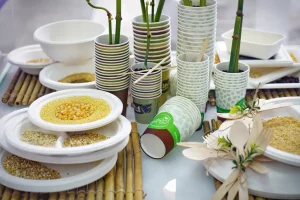
“Unfortunately, the word ‘bioplastics’ does not have a standardized definition,” Eve Fox, the digital director at Beyond Plastics, said in an email. Fox explained that bioplastic can refer to plastics that use non-oil natural products—corn, sugar beets, wheat—to make the plastic, or to plastics that are biodegradable or compostable.
Importantly, while some plant-based plastics can decompose either totally or partially, not all plastics made from plants and non-petroleum sources will break down. The bioplastics label includes types of plastics that can’t be composted or that aren’t biodegradable, and whose only differentiating quality from plastics made of petrochemicals is their initial feedstock.
The term bioplastics “even includes primarily fossil fuel-based plastics that include a small percentage of bio-based plastics,” Fox said. “It’s a vague term.” (Coca-Cola has been selling bottles made of just 30% plant-based plastic that it’s called “Plant Bottles” for almost a decade.)
_______________________________________________________________________
Read Also : Sustainable Fashion, Revamp Your Wardrobe With Some Conscious Choices
________________________________________________________________________
Can They Be Recycled?

Most bioplastics can’t be put into the same municipal recycling streams as other plastics, since they can contaminate the other plastics and make the whole batch unusable. Many consumer-facing bioplastics, however, can be composted: unlike traditional plastic, a cup made out of some types of bioplastic could be broken down by microbes under the right conditions. In theory, that’s incredibly cool, and may make you feel better about buying something plastic: it won’t last as long in the environment and can be turned into a useful compost. Win-win!
But there are complications. The bioplastic cups I get my iced coffee in from my local coffeeshop, for instance, are from a brand called Greenware, owned by plastics producer Fabri-Kal. (“Show customers you’re doing the right thing with Greenware,” the website says.) Greenware’s website brags that its products are made from “plants, not petroleum,” a move that it says “resonates with consumers.” Reading the fine print, though, it becomes clear that I can’t just toss these cups in any old compost: the products are “not suitable for backyard composting.” Eco Products, another bioplastics seller whose label I recognize from office supply rooms, also advises against composting in a home compost.
Since I don’t have access to commercial composting (only 27% of Americans do), and since I can’t recycle these cups, that basically means I’m shit out of luck when it comes to disposing of these cups responsibly—and they’re going into a landfill.
Are They Better For The Environment?
It’s difficult to draw a one-to-one comparison between a bioplastic bottle and one made of non-bio plastic. Traditional plastics, after all, emit greenhouse gases during their production, thanks to the use of oil as feedstock. In terms of strict carbon emissions during production, bioplastics seem to win: a study estimated that switching all U.S. plastics to corn- or grass-based products would cut the industry’s total greenhouse gas emissions by 25%.
But there’s no question that bioplastics raise their own environmental issues. A review of more than three dozen life cycle assessments comparing traditional oil-based plastics and bioplastics published last year found that many studies missed out on key components of bioplastic production, like land and water use implications, that could provide a more accurate and holistic picture of their environmental impact.
Bioplastics Still Have Potentially Harmful Chemicals
And despite being made from natural materials, bioplastics still contain potentially damaging chemicals added to their formulas to help them be formed into different products—compounds that can enter the environment when the plastic breaks down. Many of these chemicals are the same as the ones used in conventional plastics. A recent study found that chemicals in bioplastics are “similarly toxic” to those in traditional plastics.
________________________________________________________________________
Read Also : 12 Worst Foods to Avoid With Diabetes To Prevent High Blood Sugar and Weight Gain,
________________________________________________________________________
Some Composters Don’t Want Bioplastics
Bioplastics Can Still Harm Wildlife
NOTE – This article was originally published in Gizmodo and can be viewed here







Landfilling Creates New Problems
Landfilling bioplastics—the last remaining option for those of us who can’t compost our cups and straws—introduces new issues. Landfill conditions aren’t conducive to the breakdown of many biodegradable or compostable plastics, meaning that they may never decompose. And if they do break down, they help create more greenhouse gases.
“When compostable products end up in a landfill—a common final resting place for them due to the lack of commercial composting facilities in the U.S.—their climate footprint increases because they release methane, a greenhouse gas that is 30 times more potent than carbon dioxide,” Fox said.