After nearly a decade of discussions followed by two weeks of intense negotiations, the United Nations delegates have agreed upon a treaty that will protect international waters across the globe. The members of the Intergovernmental Conference on Marine Biodiversity of Areas Beyond National Jurisdiction finalised the international agreement on Saturday.
__________________________________________________________________________________________________________________________
Read Also: How Climate Change Is Derailing the World’s Lofty Carbon Offset Hopes
___________________________________________________________________________________________________________________________
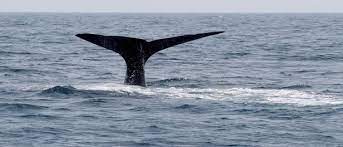
As a result, rampant fishing, exploitation, and unsustainable practices have endangered marine life especially whales, sharks, rays and hundreds of other fish species.
The threat of increasing plastic pollution in the ocean and climate change that is raising oceanic temperatures have made the risk of extinction more probable for a large portion of aquatic flora and fauna. While there already exist a large number of international conventions and organisations trying to protect the oceans, their limited jurisdictions limit their effectiveness.
___________________________________________________________________________________________________________________________
Read Also: Climate science is supporting lawsuits that could help save the world
____________________________________________________________________________________________________________________________
What will the treaty do?
The agreement that has been recently signed aims to allocate an astounding 30 percent of the Earth’s oceans as Marine Protected Areas (MPAs). The treaty will also provide essential funding for marine conservation. This is in line with the 2030 Agenda for Sustainable Development, and the Kunming-Montreal Global Biodiversity Framework which aims to protect 30 percent of the world’s oceans by 2030.
To mitigate risks and safeguard marine life, the treaty provides for the designation of protected areas within international waters, which will be proposed by participating countries and voted on collectively. While certain activities will still be permitted in these areas, they must align with the conservation objectives of the MPAs, which prioritise the protection of marine life from harm.
______________________________________________________________________________________________________________________
Read Also: Most Polluted Major City on Earth – Delhi
______________________________________________________________________________________________________________________
This could result in stricter regulations on activities such as fishing, shipping, and deep-sea mining, which pose significant threats to the ocean’s delicate ecosystems. Deep-sea mining, in particular, is a source of serious concern that might be regulated far more heavily after the treaty goes into effect.
In addition, the treaty establishes arrangements for sharing marine genetic resources and requires environmental impact assessments for deep-sea activities, such as mining. The agreement will also set global standards for environmental impact assessments on commercial activities in the ocean. These assessments will also consider cumulative impacts, ensuring that the ocean’s health is prioritised.
NOTE – This article was originally published in cnbctv18 and can be viewed here
Tags: #climate, #climatechange, #environment, #fishing, #getgreengetgrowing, #globalwarming, #gngagritech, #greenstories, #marine, #marinelife, #nature, #ocean, #Pollution, #sharks, #water, #whales