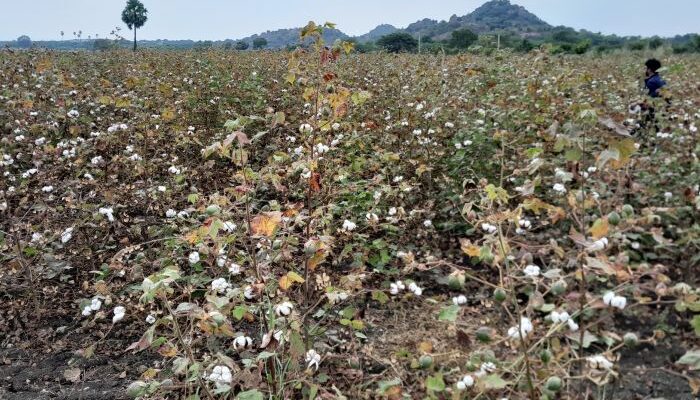
Recently, a few cotton-sown areas in Punjab were impacted by the pink bollworm (PBW) infestation. With the early-sown cotton crop aged between 60 and 80 days, it is essential for the cotton growing farmers to integrate all available management tactics which will serve the purpose of resistance management against pink bollworm.
“The pink bollworm penetrates the boll and is difficult to see from outside. Farmers should therefore be vigilant, inspect flowers and cotton bolls promptly detect signs of PBW infestation, and take immediate action. Early observation of flowers is important to detect pink bollworm infestation. If the crop’s flowers appear rose-like, farmers should take immediate action for pink bollworm management,” said, Rajavelu NK, CEO – Crop Protection Business, Godrej Agrovet.
________________________________________________________________________
Read Also : Singapore to plant 1 million trees, develop more gardens and parks by 2030
________________________________________________________________________
According to him, adopting short-duration cotton varieties, practicing crop rotation to discourage pest buildup, disposing of crop residues, and optimising nitrogenous fertilisers should be used to combat this threat.
Studies have shown that the infestation of the PBW takes place during the medium and the later stages of the cotton crop. Hence insecticides having different modes of action groups should be used in rotation or mixture for effective PBW management.
“Using insecticides during the hatching or peak development stage is highly recommended. However, being alert at the critical time and sowing resistant cotton varieties right from the beginning will avoid cotton bollworm infestations,” added Rajavelu.
_______________________________________________________________________
Read Also :10 Health Benefits of Drinking Green Tea with Lemon
________________________________________________________________________
There has been a noticeable increase in pink bollworm infestation in Gujarat, Maharashtra, Telangana and Andhra Pradesh in recent years. Though large-scale Bt cotton cultivation provides inbuilt protection against American bollworm (Helicoverpa armigera), the emergence of PBW has become the new enemy of cotton farmers. While Helicoverpa infestation resulted in definite yield loss, PBW infestation primarily affects the lint quality, though its early occurrence may even lead to a reduction in yield and significant losses.
NOTE – This article was originally published in agriculturepost and can be viewed here
Tags: #american, #cotton, #crop, #farmer, #farming, #fertilizer, #flowers, #getgreengetgrowing, #gngagritech, #greenstories, #Helicoverpa, #PBW, #PBWmanagement