Scientists have long grappled with unraveling the enigma of life’s origins on Earth.
Now, fresh insights into the earliest life forms have emerged.
Researchers stumbled upon evidence of microbial populations in rock samples going back more than three billion years.
The University of Göttingen and Linnĕus University in Sweden led a research team that discovered evidence of a diverse carbon cycle involving microbial communities around 3.42 billion years ago.
________________________________________________________________________
Read Also: 20 Current Environmental Problems
________________________________________________________________________
This new study demonstrates that diverse microbial communities existed throughout the Palaeoarchaean epoch – the geological era that spans 3,600 to 3,200 million years ago.
“Our findings significantly advance the understanding of ancient microbial ecosystems and open up new avenues for research in the field of palaeobiology,” said Manuel Reinhardt, first author from Göttingen University’s Geosciences Centre.
Traces of metabolic processes
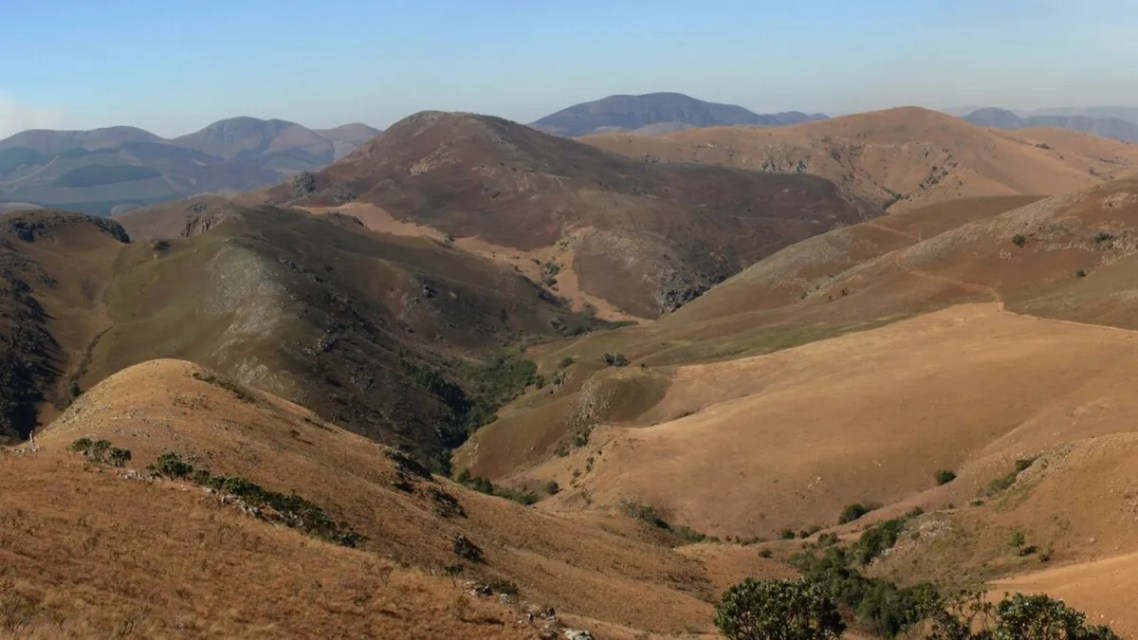
For this study, the scientists obtained ancient rock samples from South Africa’s Barberton greenstone belt mountain range. The rocks in this belt are recorded to be among the oldest on Earth’s surface.
The scientists discovered traces of well-preserved carbonaceous matter particles amid the rocks, which was surprising.
The press release describes the matter as “the altered remains of living organisms.”
The microscopic particles were thoroughly analyzed using a variety of macro and micro methods.
This rigorous study allowed the scientists to accurately identify original biological traces while distinguishing them from any subsequent contamination over a long period.
_______________________________________________________________________
Read Also : Climate Change, Cost Factor: Why it Takes Months to Subdue Some Wildfires
________________________________________________________________________
Interestingly, the analysis showed diverse “geochemical fingerprints” left behind by a variety of ancient tiny life forms.
The data implies that these microorganisms utilized sunlight for energy, metabolized sulfate, and probably produced methane.
“We didn’t expect to find traces of so many microbial metabolic processes. It was like the proverbial search for a needle in a haystack,” added Reinhardt.
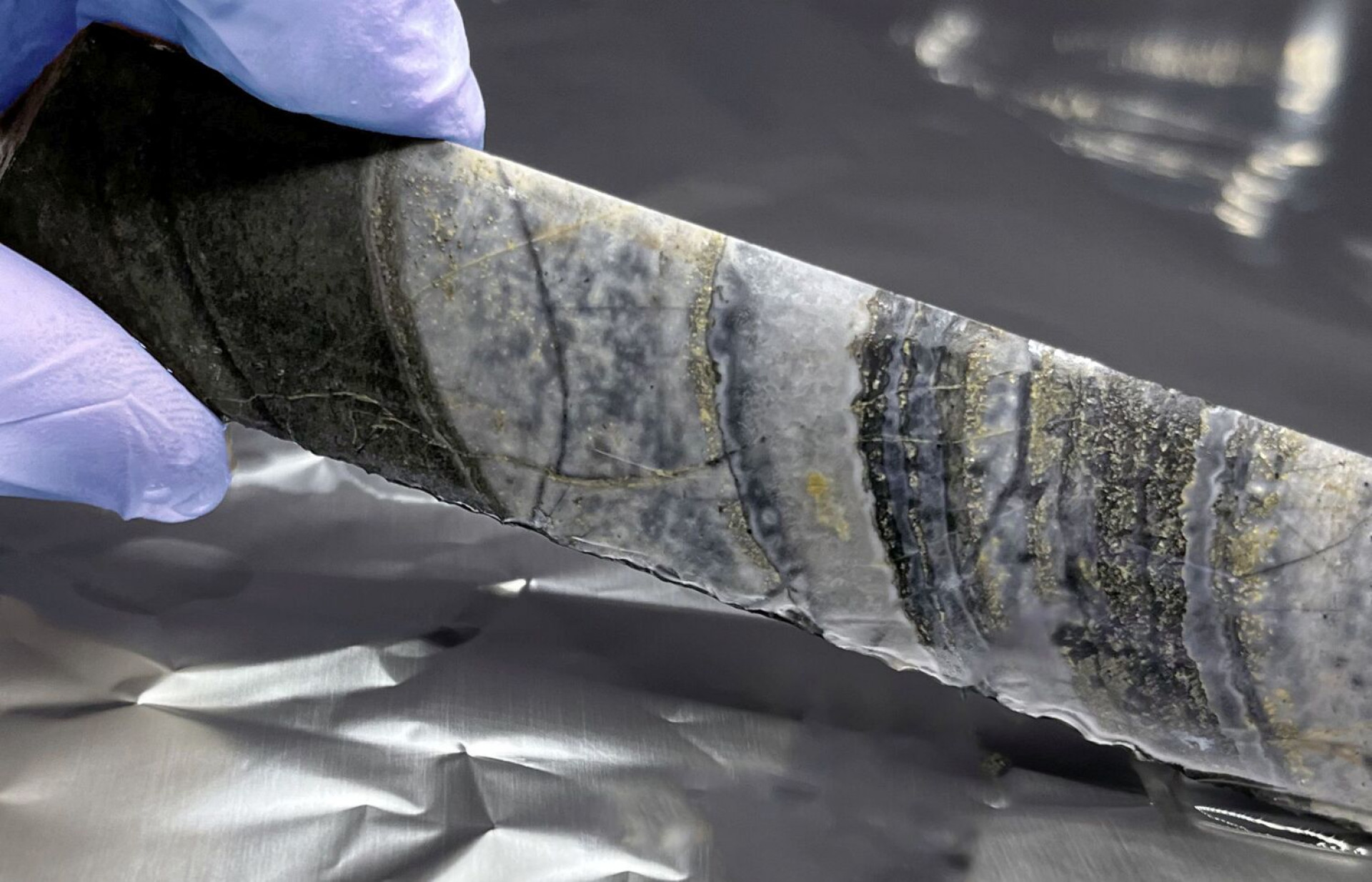
To further understand the exact functions of these microbes in the ancient ecosystem’s carbon cycle, the researchers combined geochemical data with rock texture studies.
This thorough technique, which included a thin-section examination under a microscope, revealed important information about the ancient microbial activity in the ecosystem.
________________________________________________________________________
Read Also : Urban Missions are important components of our response to climate change: Hardeep Puri
________________________________________________________________________
“By discovering carbonaceous matter in primary pyrite crystals and analyzing carbon and sulfur isotopes in these materials, we were able to distinguish individual microbial metabolic processes,” said Henrik Drake, the senior author of the study from Linnӕus University, in the release.
Study abstract:
Microbial life on Earth was well established in the Paleoarchean, but insight into early ecosystem diversity and thus, the complexity of the early biological carbon cycle is limited. Here we investigated four carbonaceous chert samples from the lower platform facies of the ca. 3.42-billion-year-old Buck Reef Chert, Barberton greenstone belt. The analysis on multiple scales revealed exceptionally well-preserved carbonaceous matter, even on molecular level (aliphatic and aromatic hydrocarbons), resulting from rapid silicification. Geochemical evidence from stable carbon and multiple sulfur isotopes supports the presence of different microbial metabolisms in the Paleoarchean ecosystem. The local biological carbon cycle was dominated by photoautotrophs, but autotrophic sulfate reducers and methane- or acetate-producing microbes were also present. In areas of microbial methane or acetate release, methanotrophs or acetotrophs contributed to the overall biomass. These results highlight the metabolic diversity in the lower platform environment of the Buck Reef Chert, and underline that an advanced biological carbon cycle already existed in the early Archean
NOTE – This article was originally published in interestingengineering and can be viewed here