Researchers at Neuroscience Research Australia (NeuRA) and UNSW Science have conducted a study examining the impact of alcohol on the electrical conductivity of the brain, highlighting its sedative effects.
Brain tissue conductivity refers to the ability of brain tissues to conduct electrical currents, which is crucial for normal brain function, including the ability to think, move and remember.
The study, “Effect of Ethanol on brain electrical tissue conductivity in social drinkers’ published in the Journal of Magnetic Resonance Imaging, involved 52 healthy young adults, aged 18–37, who were social drinkers, consuming alcohol at least once per month. Participants came from diverse ethnic backgrounds, including Asian, Caucasian, and others.
_______________________________________________________________________
Read Also : A science teacher explains: How emus and ostriches lost the ability to fly
________________________________________________________________________
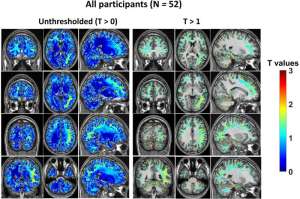
Using a novel MRI technique, the researchers measured the brain conductivity of social drinkers, i.e., individuals who consume alcohol but do not have an alcohol use disorder. The group were given vodka, and their brain conductivity was measured both before and 20 minutes after consumption.
Led by Professor Caroline Rae, Senior Principal Scientist at NeuRA and UNSW Science and Director of Research at NeuRA Imaging, the research found that alcohol significantly impacts brain activity. “We used a new MRI technique to measure the brain’s electrical conductivity and observed how alcohol reduces brain activity,” said Professor Rae.
“We found that alcohol leads to large decreases in brain tissue electrical conductivity, particularly in the frontal lobe and the cerebellum, which are the areas of the brain concerned with executive function and motor activity. The decreases are equivalent to the drop we see in conductivity in someone aged in their 90s vs. someone in their 20s.”
_______________________________________________________________________
READ ALSO : WILL BIRDS GO EXTINCT? STUDY REVEALS THE IMPACT OF CLIMATE CHANGE
________________________________________________________________________
The study’s main implication is the potential for using this MRI technique to measure the effects of other drugs on brain activity, as well as deepen our understanding of abnormal brain activity seen in neurodegenerative conditions such as dementia. “This is the first time this method has been used to measure the effects of alcohol or other drugs on the brain and provides valuable evidence of the relationship between conductivity and brain activity,” said Professor Rae.
This research marks a significant step forward in understanding the effects of alcohol on the brain and opens new avenues for future research and clinical applications.
“These results suggest that tissue conductivity may act as a biomarker of brain activity levels and could provide utility in studies of alcohol and other drugs. We are excited about the potential applications of this method in both clinical and research settings,” said Professor Rae.
NOTE – This article was originally published in medicalxpress and can be viewed here
Tags: #alcohols, #brain, #drinkers, #fitness, #getgreengetgrowing, #gngagritech, #greenstories, #health, #socialdrinkers, #vodka