New body will map country’s ‘just transition’ from coal to solar and wind energy sources
The NITI Aayog has constituted a body to map India’s ‘just transition’ framework, a senior official of the think tank said on Tuesday.
‘Just transition’ refers to the movement away from fossil fuel-linked jobs to those in the renewable energy sector. In many developing countries, including India, the former refer to jobs in the coal mining sector.
This follows Finance Minister Nirmala Sitharaman’s commitment in her Budget speech in July, to unveil a national policy document that will lay out energy transition pathways in India that will balance the imperatives of employment, growth and environmental sustainability.
________________________________________________________________________
Read Also: These endangered ‘scrotum’ frogs breathe through their saggy skin
________________________________________________________________________
“We have inputs from nine working groups and are in the process of creating a modelling framework. This is to give a sense of what such a transition will mean for India,” said Anshu Bharadwaj of the NITI Aayog at a public meeting.
Coal the mainstay
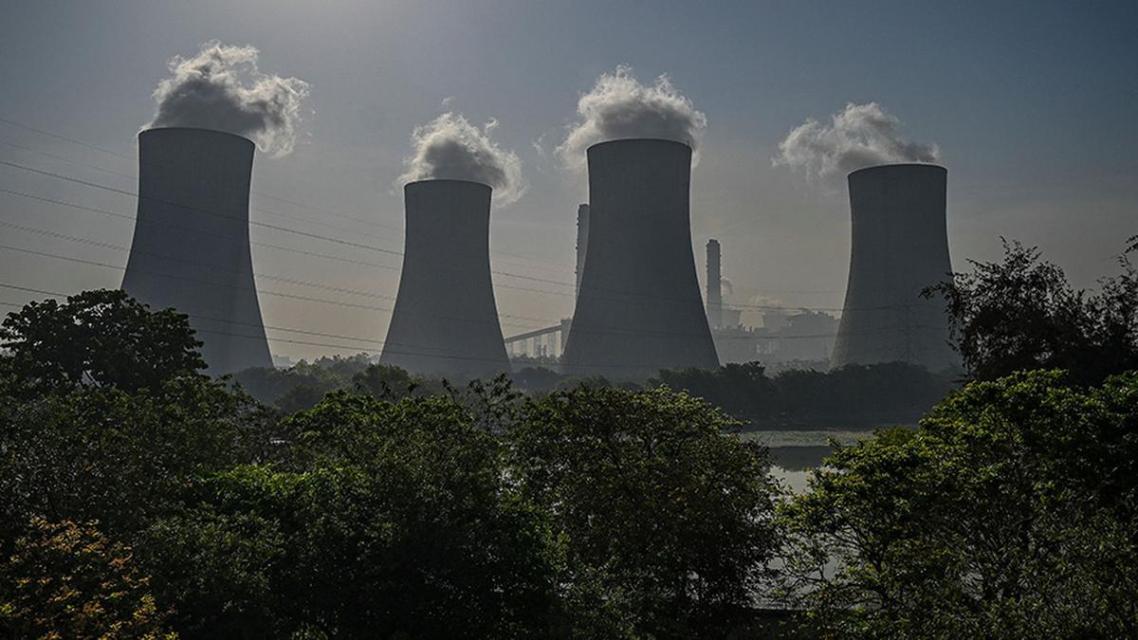
Coal fuels around 75% of the electricity consumed in India. India has 643 operational thermal power plant units. In terms of installed capacity, over 50% of the country’s capacity is concentrated in 21 districts in 11 States. The fleet of coal-based thermal power plants in India is relatively young with over three-fourths of the existing capacity under 20 years old. Twenty-five years is considered the average design-life of a thermal power plant. By that metric, nearly a third, or 224 units will be eligible for retirement by 2030. By 2040, two-thirds of the plants will be of retirement age.
________________________________________________________________________
Read Also: Are The Dancing Frogs Of The Western Ghats On Their Last Legs?
________________________________________________________________________
To compensate and adjust for India’s expected rise in per capita power consumption, the expectation is that future growth will be powered by renewable sources such as solar and wind. India has claimed that it will add 500 GW – more than the current installed power capacity – of electric power from non-fossil sources by 2030.
The cost of ‘just transition’ in India over the next 30 years, which will involve phasing down existing coal mines and power plants by 2050, is expected to be more than a trillion dollars, the organisation iFOREST, which does research and advocacy on ‘just transition’, said in a report on Tuesday.
Other than eschewing coal, ‘just transition’ costs also include rehabilitating and repurposing 3,43,504 hectares of coal-mining land, converting existing thermal power units to renewable power units, and providing transition support to 5.9 million workers who are dependent on coal for livelihoods, the report added.
NOTE – This article was originally published in thehindu and can be viewed here