Synopsis: Explore the exciting potential—and the persistent challenges—of using bacteria to biodegrade plastic waste. A journey into the world of microbial solutions and the quest for sustainable plastic management.
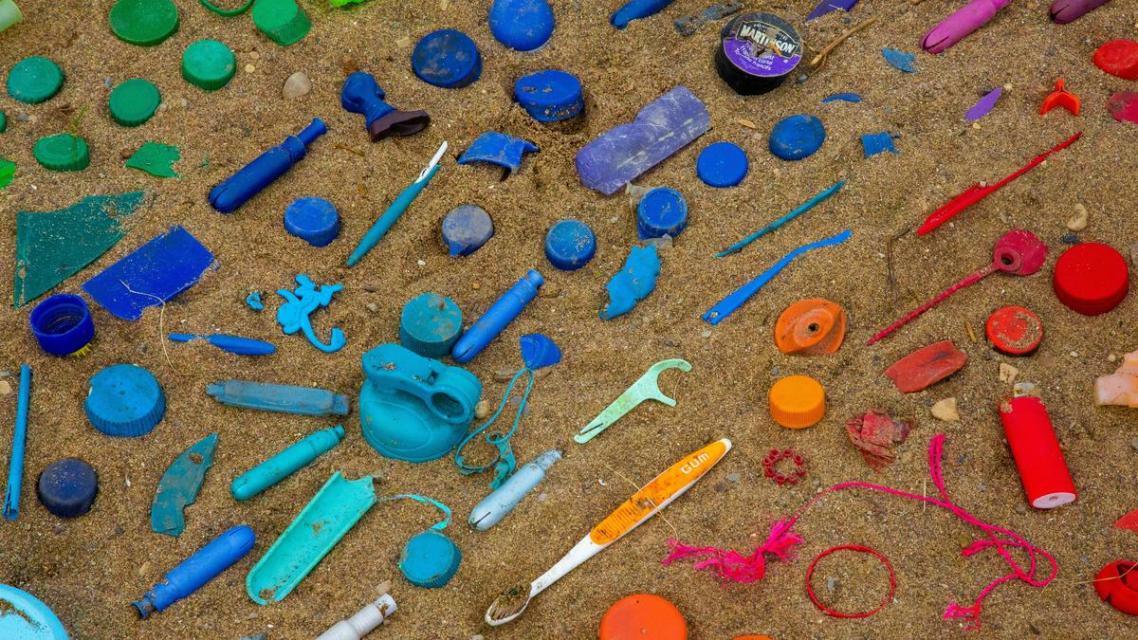
Our planet is drowning in plastic. From the deepest ocean trenches to the highest mountain peaks, this ubiquitous material poses a significant threat to ecosystems and human health. But what if the solution to this pervasive problem lies within the microscopic world? Scientists are exploring the remarkable potential of bacteria to break down plastic waste, offering a glimmer of hope in the fight against plastic pollution.
_______________________________________________________________________
Read Also : Nuclear tests in 1960s may have contributed to climate change
________________________________________________________________________
The Promise of Bacterial Biodegradation
Certain bacteria possess extraordinary enzymes capable of degrading various types of plastics. These microscopic workhorses can effectively break down complex polymers into simpler, less harmful compounds. This process, known as biodegradation, offers a sustainable alternative to traditional plastic recycling and disposal methods, which often fall short in effectively managing the sheer volume of waste generated.
Imagine a world where plastic bottles decompose naturally in landfills, or where plastic bags break down in compost heaps. This is the enticing vision that fuels research into bacterial biodegradation. Researchers are identifying and engineering strains of bacteria with enhanced plastic-degrading capabilities. They are exploring the mechanisms these bacteria use, and finding ways to optimize the biodegradation process to make it more efficient and cost-effective.
The Challenges on the Path to a Plastic-Free Future
Despite the promise, the road to widespread adoption of bacterial biodegradation is paved with significant challenges. One key hurdle is the rate of biodegradation. While some bacteria can break down certain types of plastic, the process is often slow and inefficient. Optimizing the conditions for bacterial growth and activity, such as temperature, pH, and nutrient availability, is crucial to accelerate this process.
Another challenge involves the types of plastics targeted. Many common plastics are highly resistant to microbial degradation. The research community is actively searching for new bacterial strains or engineering existing ones to effectively tackle this diverse range of plastics. Furthermore, understanding the complex interactions between different types of plastic and microbial communities is vital for achieving effective biodegradation.
_______________________________________________________________________
Read Also : Johnson tells UN it is time for humanity to ‘grow up’ on climate change
________________________________________________________________________
Beyond the Lab: Scaling Up for Real-World Impact
Scaling up bacterial biodegradation from laboratory settings to real-world applications is a major undertaking. Building large-scale bioreactors, ensuring cost-effectiveness, and managing the logistics of collecting and processing plastic waste present significant logistical and economic hurdles. Moreover, the ecological impact of introducing engineered bacteria into the environment must be carefully assessed and mitigated.
The Future of Microbial Plastic Management
The use of bacteria to combat plastic pollution is a field bursting with innovative approaches. Researchers are exploring various strategies, including:
- Genetic engineering: Modifying bacteria to enhance their plastic-degrading capabilities.
- Metagenomics: Discovering new bacteria with potent plastic-degrading enzymes from diverse environments.
- Enzyme engineering: Optimizing the enzymes produced by bacteria for increased efficiency.
- Bioreactor design: Developing efficient and scalable bioreactors for industrial-scale biodegradation.
While the challenges are substantial, the potential rewards are immense. The successful development of bacterial biodegradation technologies could revolutionize plastic waste management, creating a more sustainable and environmentally friendly future. It”s a complex scientific puzzle, but the quest to harness the power of microscopic organisms to tackle this global crisis is a testament to human ingenuity and our commitment to a cleaner planet.
_______________________________________________________________________
Read Also : Climate change: governments’ pledges put planet on ‘catastrophic pathway,’ warns UN
________________________________________________________________________
Interactive Elements:
To further enhance engagement, consider incorporating interactive elements such as:
- Quizzes: Test your knowledge of bacterial biodegradation.
- Infographics: Visually represent the process of bacterial plastic breakdown.
- Videos: Show laboratory experiments or real-world applications of the technology.
- Interactive maps: Show areas where research is being conducted or where plastic pollution is most severe.
By combining scientific rigor with engaging interactive content, we can raise awareness of this critical issue and inspire future generations to contribute to solving the global plastic pollution crisis. The journey is long and the challenges are significant, but the potential for a plastic-free future fueled by microscopic maestros is undeniably compelling.
NOTE – This article was originally published in easemydeal and can be viewed here
Tags: #climate, #climatechange, #environment, #getgreengetgrowing, #gngagritech, #greenstories, #MicrobialMaestros, #ocean, #plastic, #plasticpollution, #plasticwaste, #Pollution, #pollutioncrisis