Lost century:
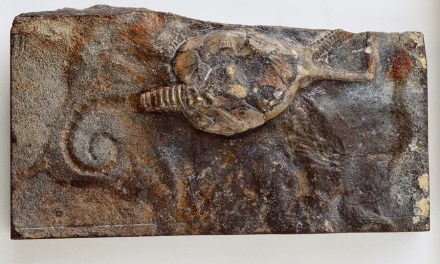
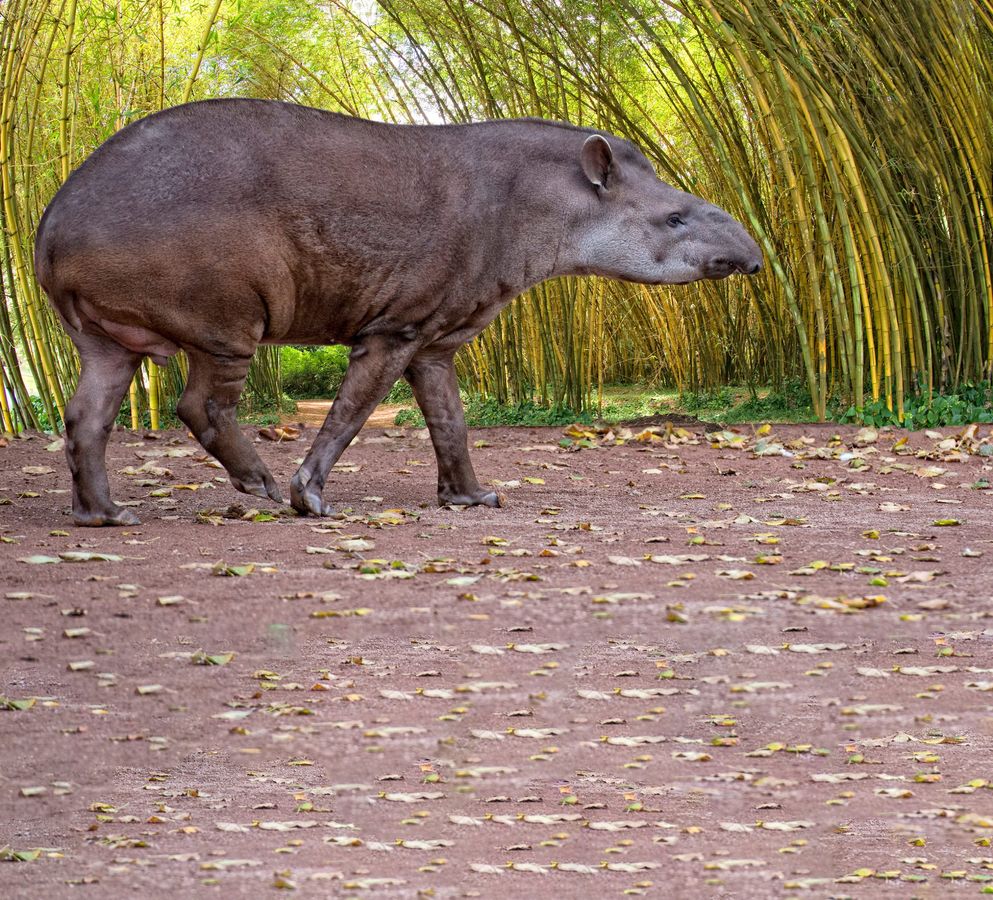
for over 100 years, the south American tapir was thought extinct in the Atlantic forest. With its last recorded sighting in 1914, conservationists feared the species had vanished forever- until now.

Rare footage:
Cameras captured three tapirs freely roaming cunhambebe state park, shocking scientists. The footage, released by rio de janeiro’s INEA, singals apossible wildlife resurgrnce in Brazil’s Costa Verde region.
_______________________________________________________________________
Read Also : New guidelines to help states adapt to climate change
________________________________________________________________________
Ecosystem revival:
The tapir’s return may be proof that conservation works. INEA officials credit protected areas and rewilding efforts for making the Atlantic forest a viable refuge once again.

Forest gardener:
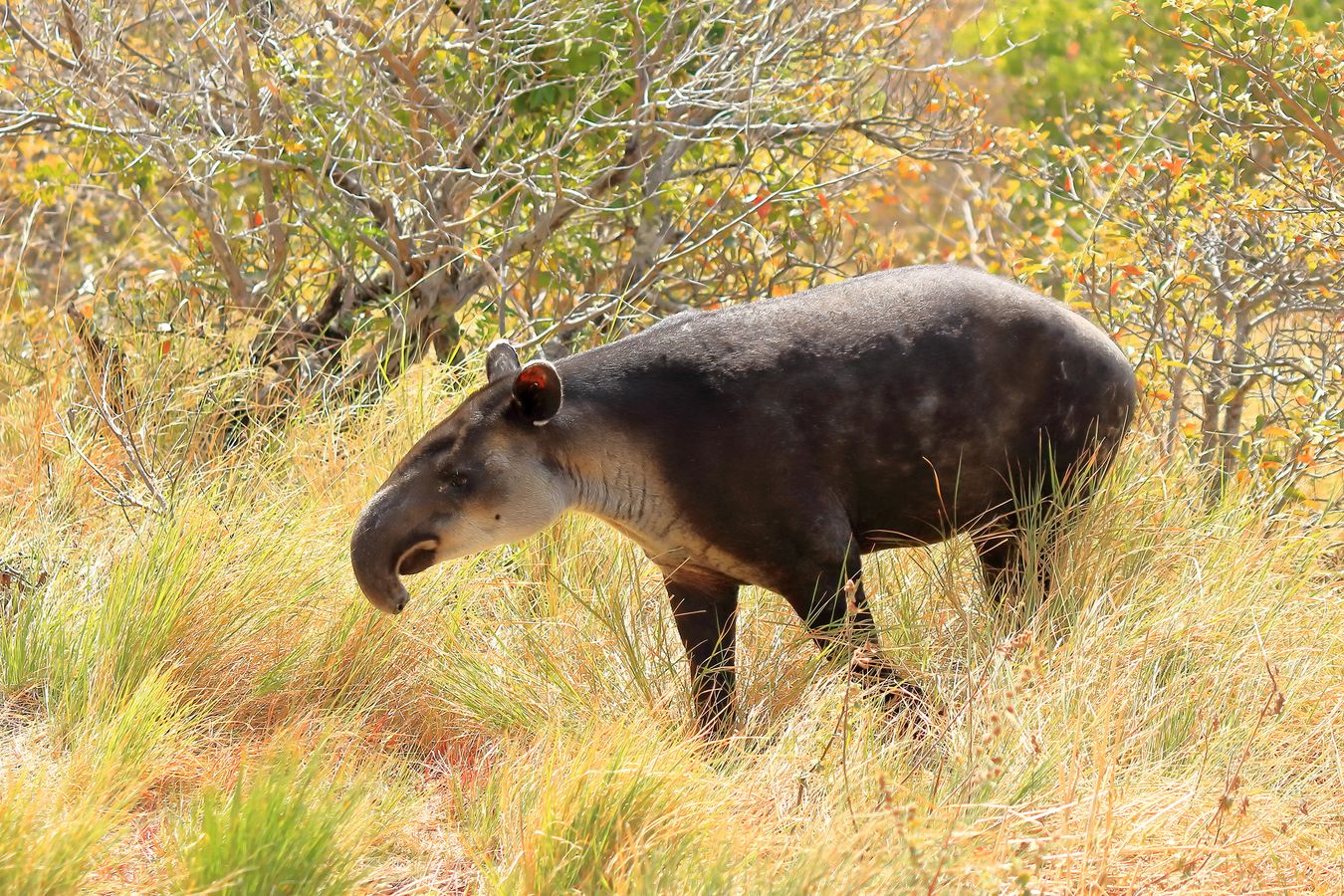
Dubbed nature’s ”forest gardener”, the tapir plays a crucial role in reforestation. By consuming plants and dispersing seeds, it helps regenerate forests, creating life for countless species.
_______________________________________________________________________
Read Also : The Science of Climate Change Explained: Facts, Evidence and Proof
________________________________________________________________________
Scientific validation:
According to a 2024 INEA report, protected areas like cunhambebe have seen increased biodiversity. The tapir,s reappearance aligns with global sturdies showing that well maintained habitats accelerate species recovery.
Conservation debate:
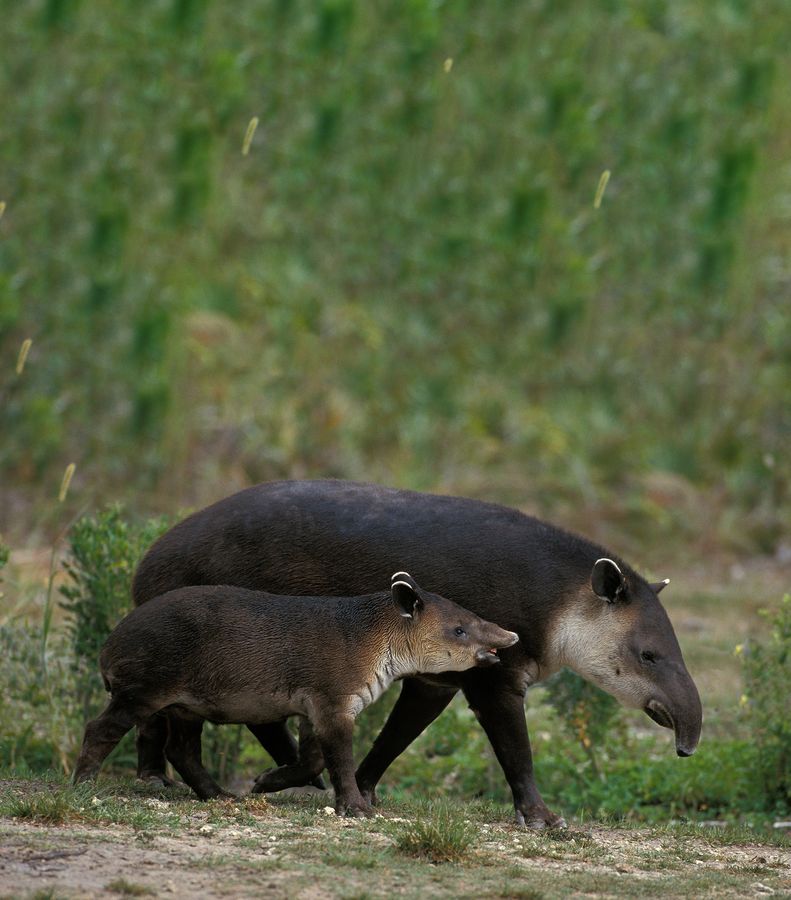
Is this a turning point, or just luck Some experts argue that one sighting doesn’t mean full recovery. With only 4500 tapirs left, a single population surge won’t erase decades of habitat loss.
Human Threats:
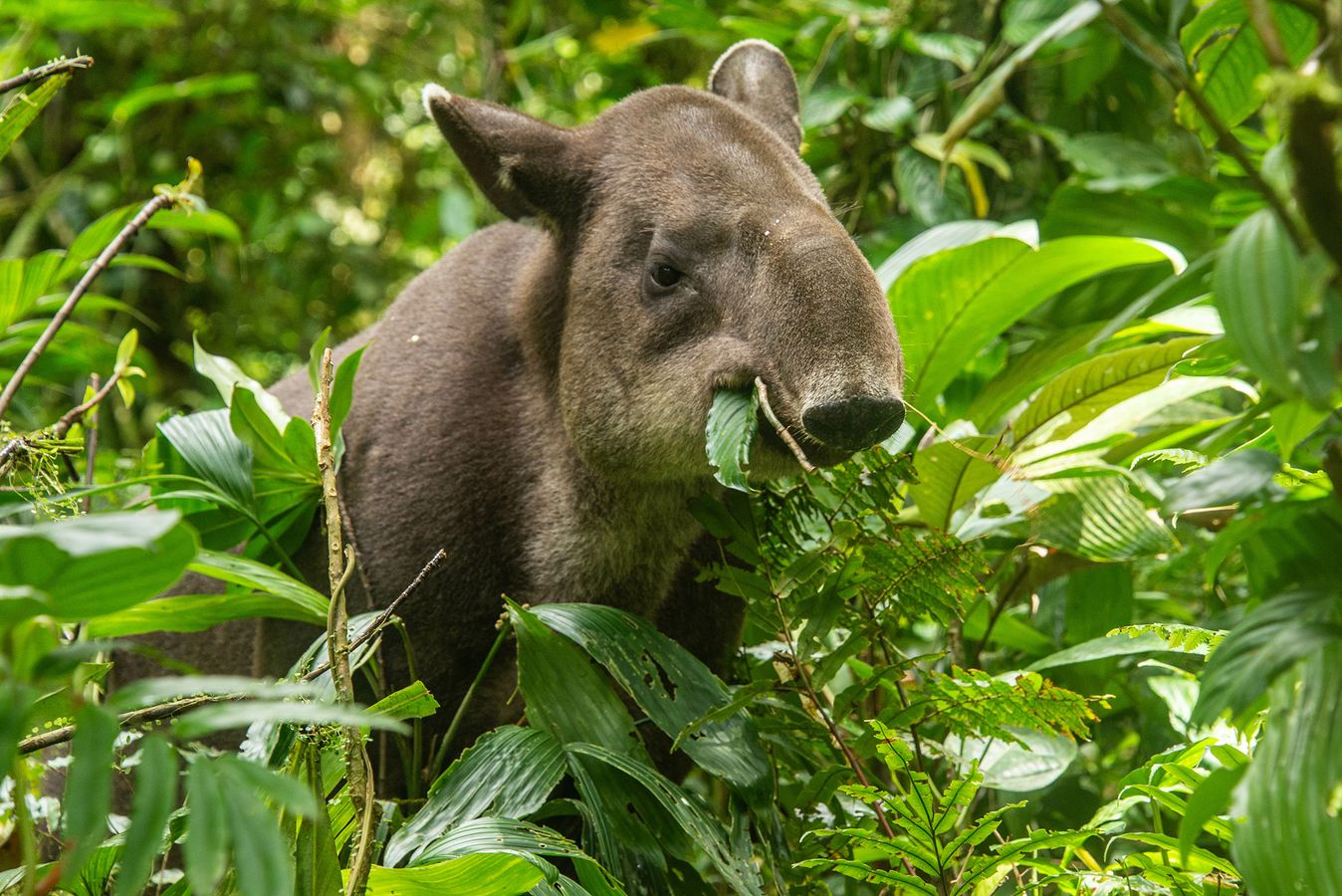
Poaching, deforestation, and road expansion have driven tapirs to the brink. despite their 700- pound size, they are easy targets, llegal hunting remains one of the biggest threats to their survival.
_______________________________________________________________________
Read Also : New guidelines to help states adapt to climate change
________________________________________________________________________
Unexpected danger:
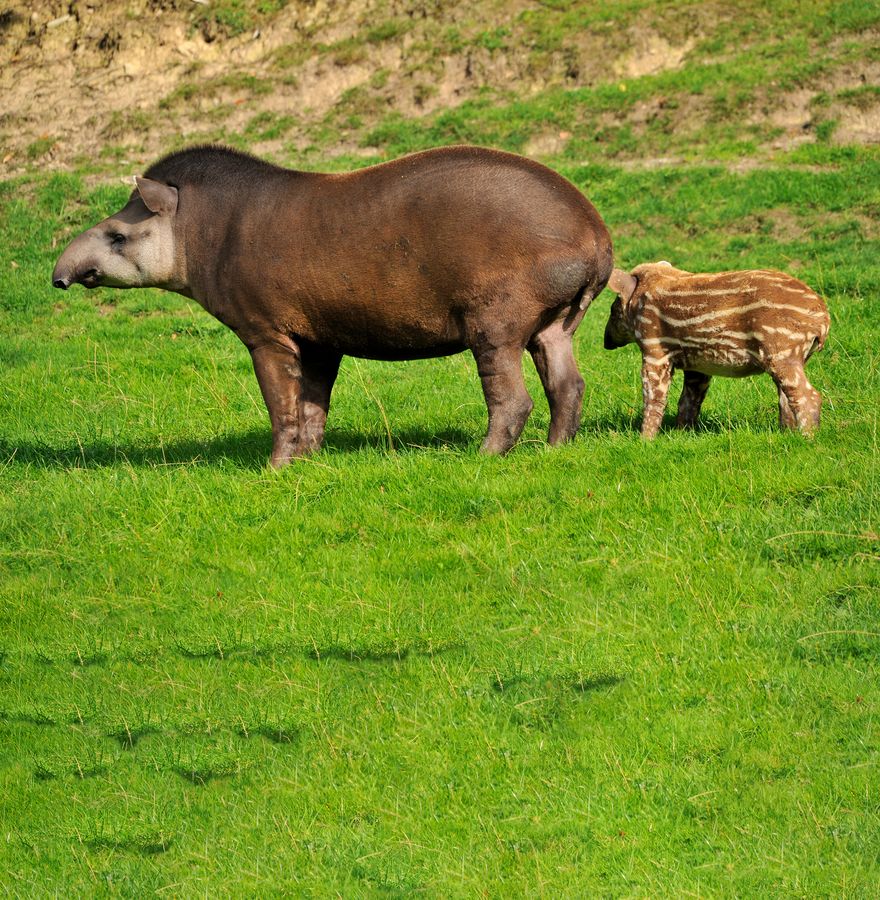
Though gentle, tapirs can be unpredictable. Reports from the Scottish Government warn that cornered tapirs may charge, with rare cases of attacks on humans recorded in captivity and the wild.
Future uncertain:
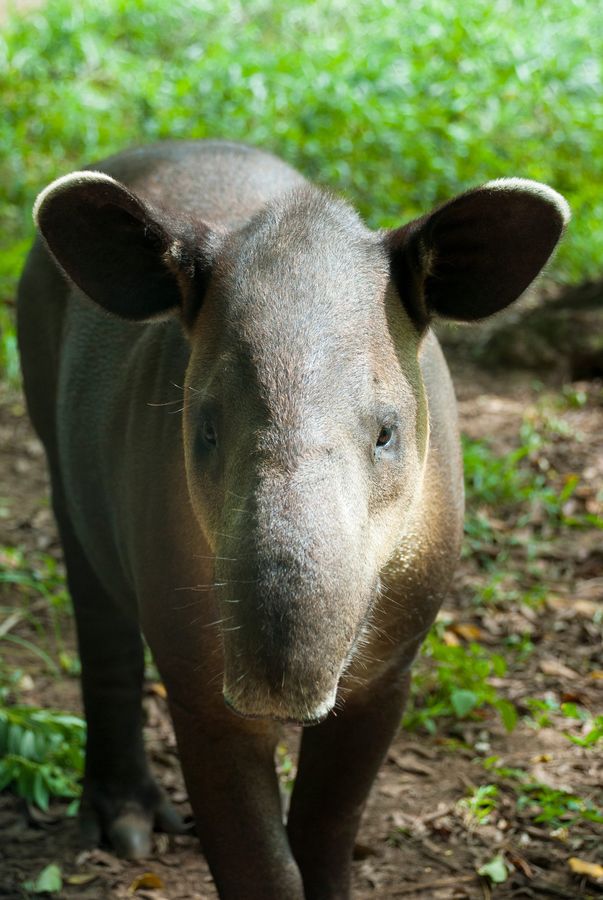
This sighting is a symbol of hope, but conservationists stress that action is needed. Without antipoaching laws, habitat restoration, and monitoring, the tapir could disappear again- this time, for good.
NOTE – This article was originally published in businesstoday and can be viewed here