Unusual structures of unknown origin discovered in desert rocks have been documented in a new study.
In the desert regions of Namibia, Oman, and THE TRASH MOUNTAINS BEING TURNED INTO SUSTAINABLE FASHION IN RUSSIA
_______________________________________________________________________
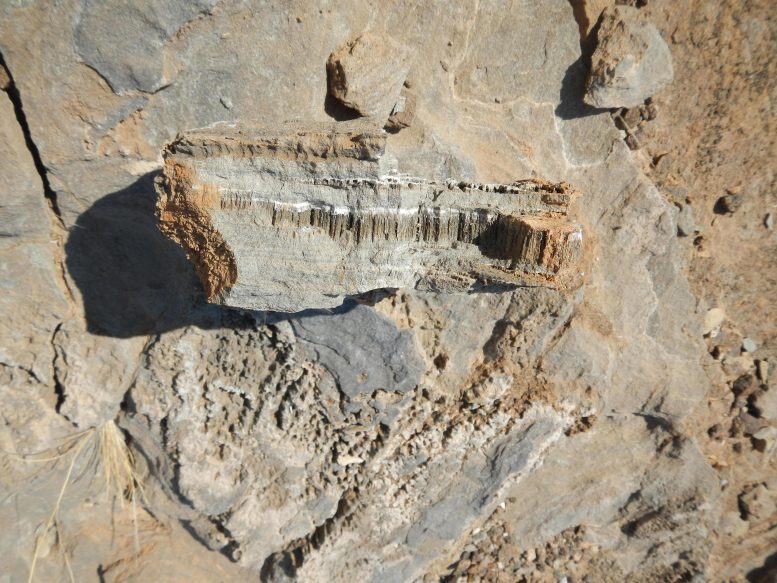
Puzzling discovery in Namibia
Geologist Cees Passchier has conducted research in Namibia for 25 years. His work focuses on reconstructing the geological history of Precambrian terranes.
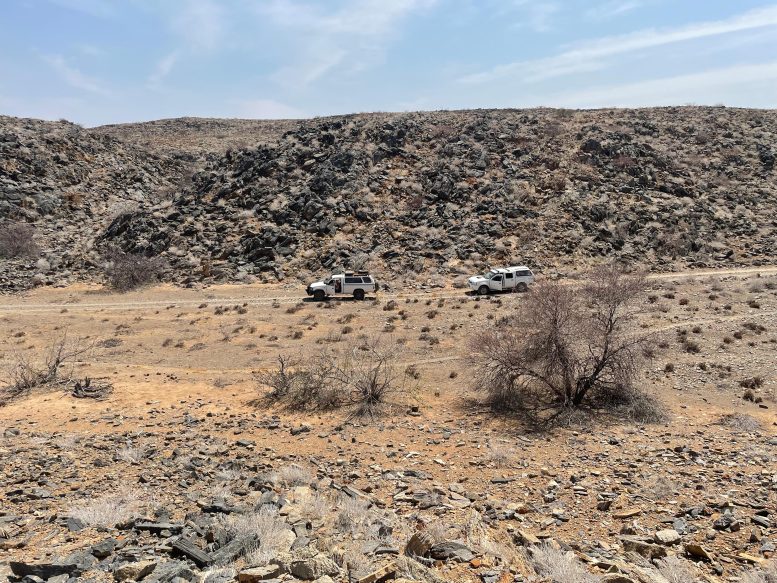
“We look at the structure of the rocks to find out how continents came together to form the supercontinent Gondwana 500 to 600 million years ago,” Passchier explained. During that era, carbonate sediments formed in ancient oceans and later transformed into marble through pressure and heat.
“We noticed strange structures in this marble that were not the result of geological events.”
Instead of smooth surfaces shaped by erosion, the team observed tubes about half a millimeter wide and up to three centimeters long. These tubes were arranged in parallel and formed bands as long as ten meters. Some of the edges also had calcrete crusts.
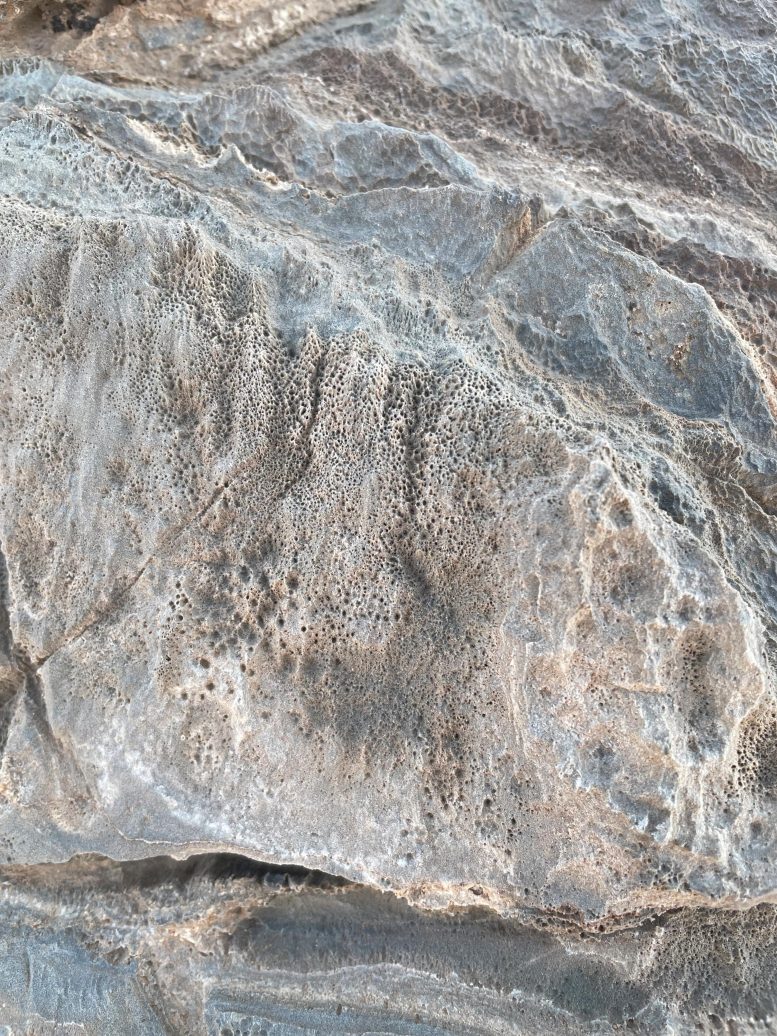
These structures were first observed in the Namibian desert about 15 years ago. Since then, Professor Passchier, along with colleagues from the Institute of Geosciences at Mainz University and Dr. Trudy Wassenaar, head of the consulting firm Molecular Microbiology and Genomics Consultants, has continued to investigate. “We think that it must have been a microorganism that formed these tubes.”
________________________________________________________________________
Read Also : Is stevia a healthy alternative? Everything you should know,
________________________________________________________________________
The tubes were not empty but filled with a fine powder of pure calcium carbonate. Researchers believe the microorganisms may have tunneled through the rock to access nutrients in the calcium carbonate, which is the main component of marble. The fine powder was left behind in the tubes. Similar structures were later found during Passchier’s fieldwork in Oman and Saudi Arabia – in limestone in Oman and in marble in Saudi Arabia.
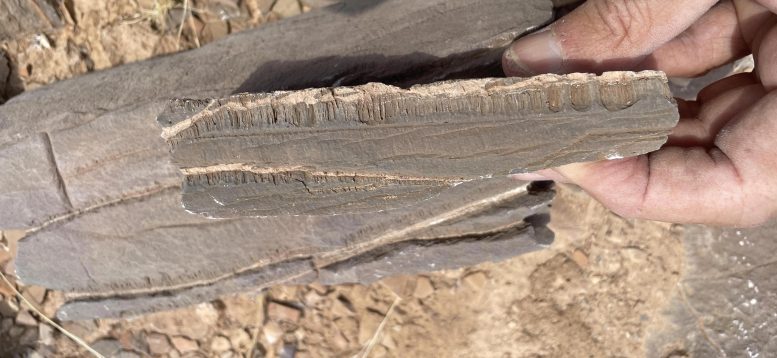
“In any case, these are old structures, perhaps one or two million years old,” said Passchier. “We assume that they were formed in a slightly more humid climate, not in the dry desert climate that prevails today.” However, the organism that caused these structures remains a mystery.
Endolithic microorganisms use rock as a basis for life
Microorganisms such as bacteria, fungi, or lichen are found even in inhospitable or remote corners of the Earth. So-called endolithic microorganisms are not uncommon in desert areas as they can obtain their energy and nutrients from the rocks they live in.
“What is so exciting about our discovery is that we do not know which endolithic microorganism this is. Is it a known form of life or a completely unknown organism?” According to Cees Passchier, it must be an organism that can survive without light because the tubes have formed deep inside the rock. The researchers found biological material, but no REGENARATIVE AGRICULTURE : SUSTAINABLE FARMING FASHION
________________________________________________________________________
Passchier hopes that specialists on endolithic organisms will look into this phenomenon in the future. “This form of life, of which we do not know whether it still exists, could be important for the global carbon cycle. It is therefore essential that the scientific community becomes aware of it.” The release of carbon through the biological activity of microorganisms could also play a major role in the Earth’s CO2 balance.
NOTE – This article was originally published in scitechdaily and can be viewed here
Tags: #BafflingScientists, #climate, #climatechange, #CO2, #earth, #environment, #geological, #getgreengetgrowing, #gngagritech, #greenstories, #life, #microbiological, #oceans