You might not have heard, but the United Nations General Assembly has declared 2025 the International Year of Glacier Preservation. Unfortunately, the outlook isn’t good. The World Meteorological Organization (WMO) has confirmed that a second country has now lost all of its glaciers. Following Slovenia in Europe, Venezuela in South America has now joined this unfortunate list. And scientists warn that more countries are likely to follow as the planet continues to warm.
________________________________________________________________________
Read Also: Trash or recycling? Why plastic keeps us guessing
________________________________________________________________________
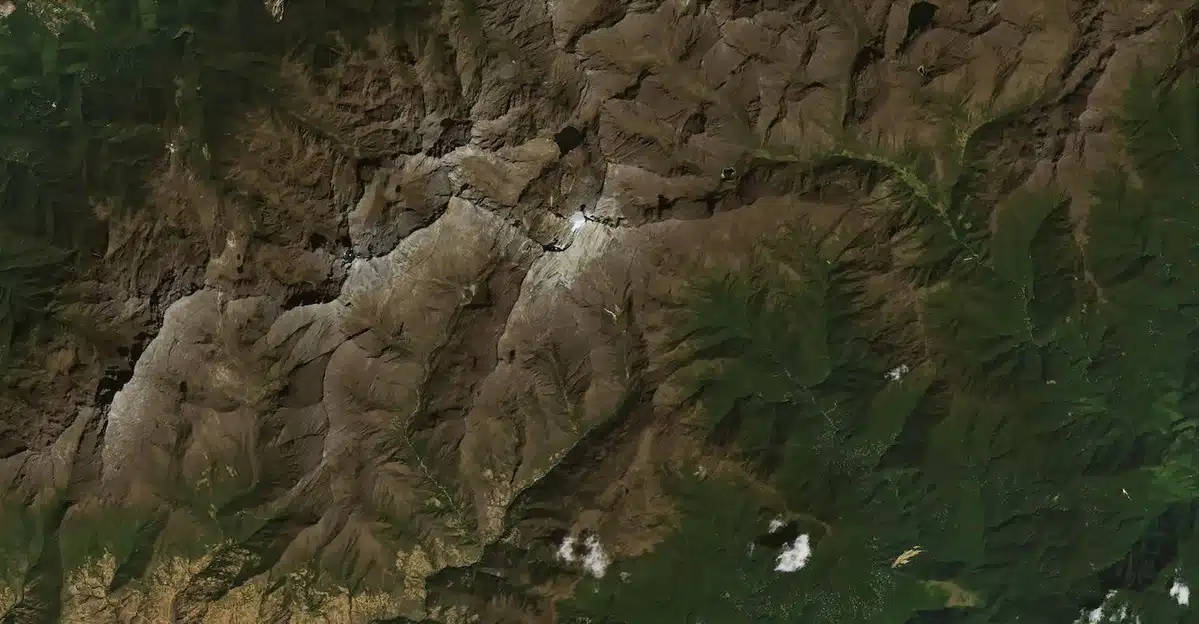
The end of Venezuela’s last glacier – Humboldt Glacier
Venezuela’s final glacier, Humboldt Glacier, was officially declared gone by researchers from the Cryosphere Climate Initiative just a few months ago. They reported it now spans only two tiny hectares — far too little to still be considered a glacier.
Once, back in the 1940s, this glacier was called “the largest glacier at these latitudes.” It was named after a naturalist and explorer who, at the turn of the 19th century, had already realized things that others hadn’t yet understood. He had described the impact of human actions as “incalculable” and warned that it could turn catastrophic if we continued to disrupt the world so “brutally.” Truly a visionary…
________________________________________________________________________
Read Also: Sustainable future is powered by advanced recycling
________________________________________________________________________
Disappearing glaciers – Why is it a big deal?
Recent data from 2024, covering 5,500 glaciers in the Andes, shows that these mountains have lost 25% of their ice cover since the late 1800s. Their tropical glaciers are melting ten times faster than the global average. What’s the risk? A huge rise in sea levels? Not exactly. The bigger issue here is the risk to freshwater supplies for millions of people!
NOTE – This article was originally published in futura-sciences and can be viewed here
Tags: #climate, #climatechange, #climatehistory, #CRYOSPHERE, #environment, #getgreengetgrowing, #glaciers, #gngagritech, #greenstories, #icecover, #nature, #sealevels