India imported 3.03 million tonnes of palm oil from Malaysia in 2024, representing 17.9% of Malaysia’s total palm oil exports and making it the top destination for Malaysian palm oil

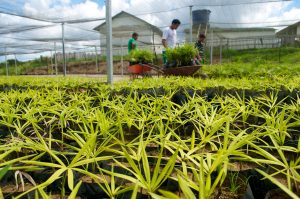
India has emerged as Malaysia’s largest importer of germinated oil palm seeds, with demand surging as the country accelerates efforts to boost domestic palm oil production and reduce import dependency.
India imported 3.03 million tonnes of palm oil from Malaysia in 2024, representing 17.9% of Malaysia’s total palm oil exports and making it the top destination for Malaysian palm oil.
______________________________________________________________________________
Read Also: Biodiversity in Urban Environments
______________________________________________________________________________
“There has been a noticeable increase in demand for Malaysian oil palm seeds, particularly from India,” Malaysian Palm Oil Board Director General Ahmad Parveez Ghulam Kadir told PTI, citing India’s push to expand domestic production.
India aims to rapidly expand palm oil cultivation to one million hectares by 2025-26 and achieve nearly 2.8 million tonnes of crude palm oil production by 2029-30 under its National Mission on Edible Oils-Oil Palm scheme.
The country currently has about 3,70,000 hectares under palm oil cultivation as of mid-2025, focussing particularly on northeastern States and island regions.
“The seed trade, however, remains largely informal, with supplies conducted on an ad hoc basis through one-off consignments without formal contracts or long-term agreements,” Mr. Kadir noted.
Most transactions happen through business-to-business arrangements where Malaysian exporters provide quality planting materials and technical expertise.
“Malaysia welcomes this development as it reflects confidence in the quality of our seeds and our longstanding partnership with India,” he said. The development comes even as Malaysia’s palm oil exports to India have moderated following New Delhi’s recent reduction in tariffs on crude palm oil
______________________________________________________________________________
Read Also: How Hydroponics May Be Essential for Urban Agriculture
______________________________________________________________________________
Mr. Kadir said India’s tariff adjustments are part of broader policy measures to manage domestic supply and keep cooking oil prices affordable for consumers. “While Malaysia has seen some moderation in export volumes to India, we remain a key and reliable supplier, and the Indian market continues to be a priority,” he said.
Malaysia is engaging stakeholders to strengthen its position in food manufacturing and hospitality segments where demand remains strong, while promoting sustainable palm oil certified under the Malaysian Sustainable Palm Oil standard.
The Malaysian Palm Oil Board has developed new high-yield varieties through breeding programmes that can potentially produce more than 30 tonnes of fresh fruit bunches per hectare annually, nearly double Malaysia’s national average of 15.47-16.73 tonnes recorded between 2020-2023.
______________________________________________________________________________
Read Also: Urban Missions are important components of our response to climate change: Hardeep Puri
______________________________________________________________________________
The improved varieties also have slower height growth, extending economic lifespan from 25 years to more than 30 years while facilitating harvesting operations.
“Current Malaysian commercial seeds are suitable for cultivation in India with proper farming practices and adequate irrigation,” Mr. Kadir said, noting the materials have performed well under tropical conditions similar to many Indian regions with sufficient rainfall.
“Research efforts are under way to develop climate-resilient varieties with improved drought tolerance, though none have been commercially released yet,” he added.
NOTE – This article was originally published in thehindu and can be viewed here