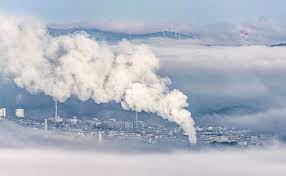
The number of Indians living in cities is projected to nearly double to 951 million by 2050 from 480 million in 2020

Indian cities hold tremendous potential as centres of economic growth with 70 % of new jobs coming from them by 2030. However, extreme weather events can lead to billions of dollars in future losses and timely action is needed to deal with it, according to a new World Bank report.
The report “Towards Resilient and Prosperous Cities in India”, prepared in collaboration with the Union Ministry of Housing and Urban Affairs, says that with India’s urban population is expected to almost double by 2050 to 951 million and more than 144 million new homes will be needed by 2070.
_________________________________________________________________________________________________________________
Read Also : Top 6 Herbs For Immunity Building: What Ayurveda Says
__________________________________________________________________________________________________________________
At the same time, intense heat waves and urban heat island effects are already causing temperatures in city centres to rise by over 3-4 degrees over surrounding areas. The rapid growth of built-up areas is also reducing cities’ capacity to absorb storm water, making them more vulnerable to floods.
The report, studied 24 Indian cities, with a special focus on Chennai, Indore, New Delhi, Lucknow, Surat and Thiruvananthapuram.
With over 50% of the urban infrastructure required for 2050 still to be built, India has a critical opportunity to drive resilient urban infrastructure development, it said.
“The imperative for India to build resilient cities at scale is clear. By investing in more green and resilient urban development—including housing, transport, and municipal services – cities can better mitigate extreme heat conditions and urban floods, and continue to grow and create jobs,” said Auguste Tano Kouame, World Bank Country Director.
The report outlined some key recommendations to urgently help Indian cities and support vulnerable populations like implementing programs to address extreme urban heat and flooding, including better regulation of storm water, green spaces, installation of cool roofs, and effective early warning systems.
__________________________________________________________________________________________________________
Read Also : 10 Herbs That Boost Immune System
________________________________________________________________________________________________________
It also recommended investment in resilient infrastructure and municipal services, energy efficient and resilient housing, modernize solid waste management and make urban transport flood resilient and improve access to urban finance through better private sector engagement.
The report estimates that investments of over $2.4 trillion will be needed by 2050 to meet the need for new, resilient, and low-carbon infrastructure and services in cities and the private sector’s role will be critical in meeting these investments.
It cites examples of how several cities in India are already taking urgent steps to build resilience. Ahmedabad has developed a Heat Action Plan model which aims to strengthen early warning systems, improve healthcare readiness, increase green cover and shift work schedules for outdoor laborers. Kolkata has adopted a city-level flood forecasting and warning system. Indore has invested in a modern solid waste management system, improving cleanliness and supporting green jobs. Chennai has adopted a climate action plan based on thorough risk assessment and targeting both adaptation and low-carbon growth.
The report was supported by a multi-donor trust fund, Global Facility for Disaster Reduction and Recovery (GFDRR).
NOTE – This article was originally published in thehindu and can be viewed here
Tags: #climate, #climatechange, #environment, #floods, #getgreengetgrowing, #gngagritech, #greenstories, #Indiancities, #Solidwaste, #weather, #World Bank