&imwidth=800&imheight=600&format=webp&quality=medium "This entire country is being evacuated due to global warming! Have you visited it before?")
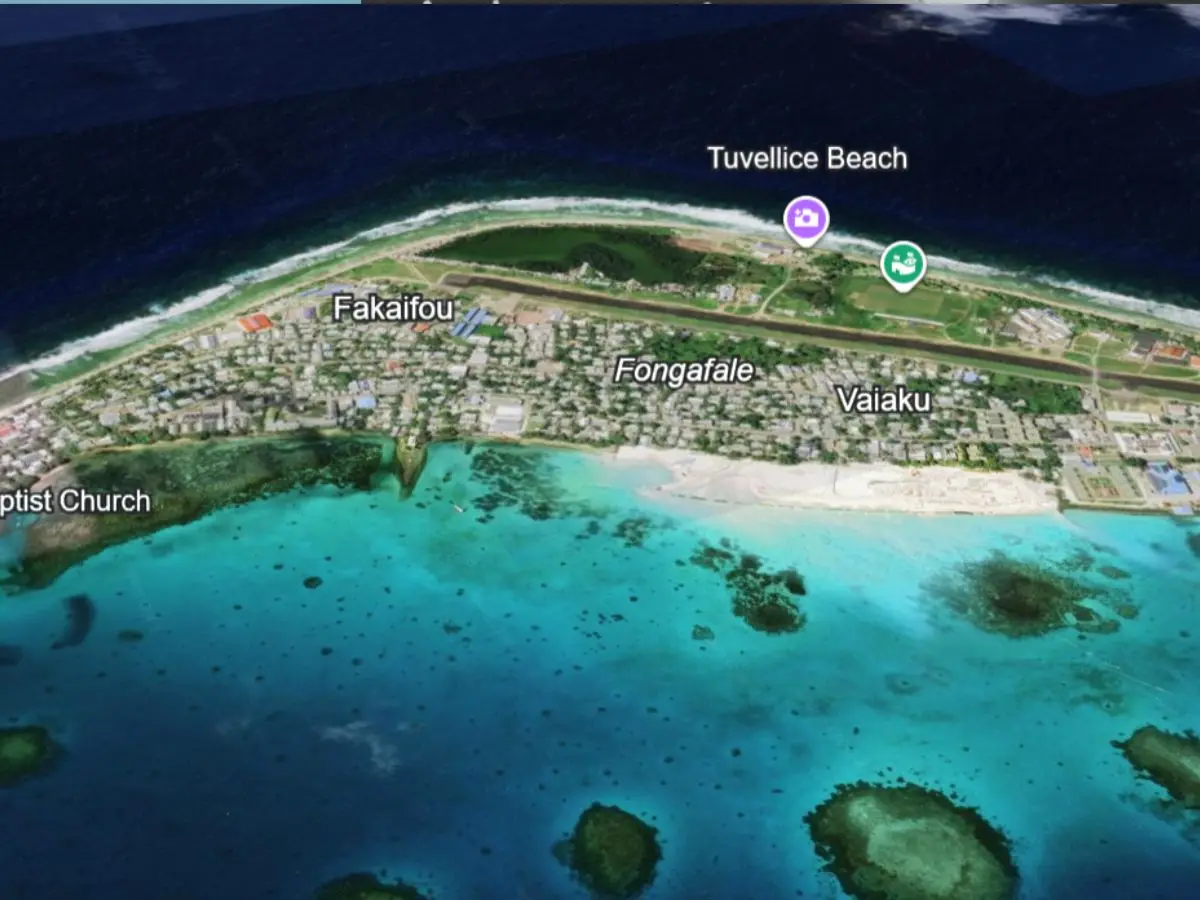
An Entire Nation Is About to Be Evacuated Because of Global Warming Photograph: (Google Earth)
Under the Falepili Union Treaty, agreed in 2023, Australia will accept 280 Tuvaluan citizens each year as permanent residents through a ballot-based ‘climate visa’ scheme.
Tuvalu, a remote island nation in the Pacific Ocean, is set to become the first country in history to be evacuated entirely because of rising sea levels. With an average elevation of just 6.5 feet above sea level, the nation’s 11,000 residents face an unavoidable future: much of their land and infrastructure is predicted to be underwater by 2050. The government has already signed a landmark agreement with Australia to ensure a planned migration for its people before the ocean claims the islands.
________________________________________________________________________
The climate migration plan
Under the Falepili Union Treaty, agreed in 2023, Australia will accept 280 Tuvaluan citizens each year as permanent residents through a ballot-based “climate visa” scheme. The programme opens in 2025, granting recipients the same rights to health care, education, housing and employment as Australian citizens. Demand has been immediate and overwhelming — more than 5,000 applications were submitted in the first month, representing almost half the population. Within just four days of opening, one-third of the nation had registered for the chance to relocate.
The migration scheme is designed to be gradual, but if current interest continues, close to 40 per cent of Tuvalu’s population could move to Australia within a decade. Residents will also have the option to return home if conditions allow, though scientists warn that worsening floods and storms will make permanent return unlikely.
Tuvalu, climate change, rising sea levels, Pacific islands, global warming, climate migration, Australia climate visa, Falepili Union Treaty, climate refugees, island evacuation, sea level rise, Tuvalu relocation, coastal flooding, climate crisis, environmental migration, disappearing nations, ocean levels, Pacific relocation, climate impact, sinking islands
 "This entire country is being evacuated due to global warming! Have you visited it before? 1")
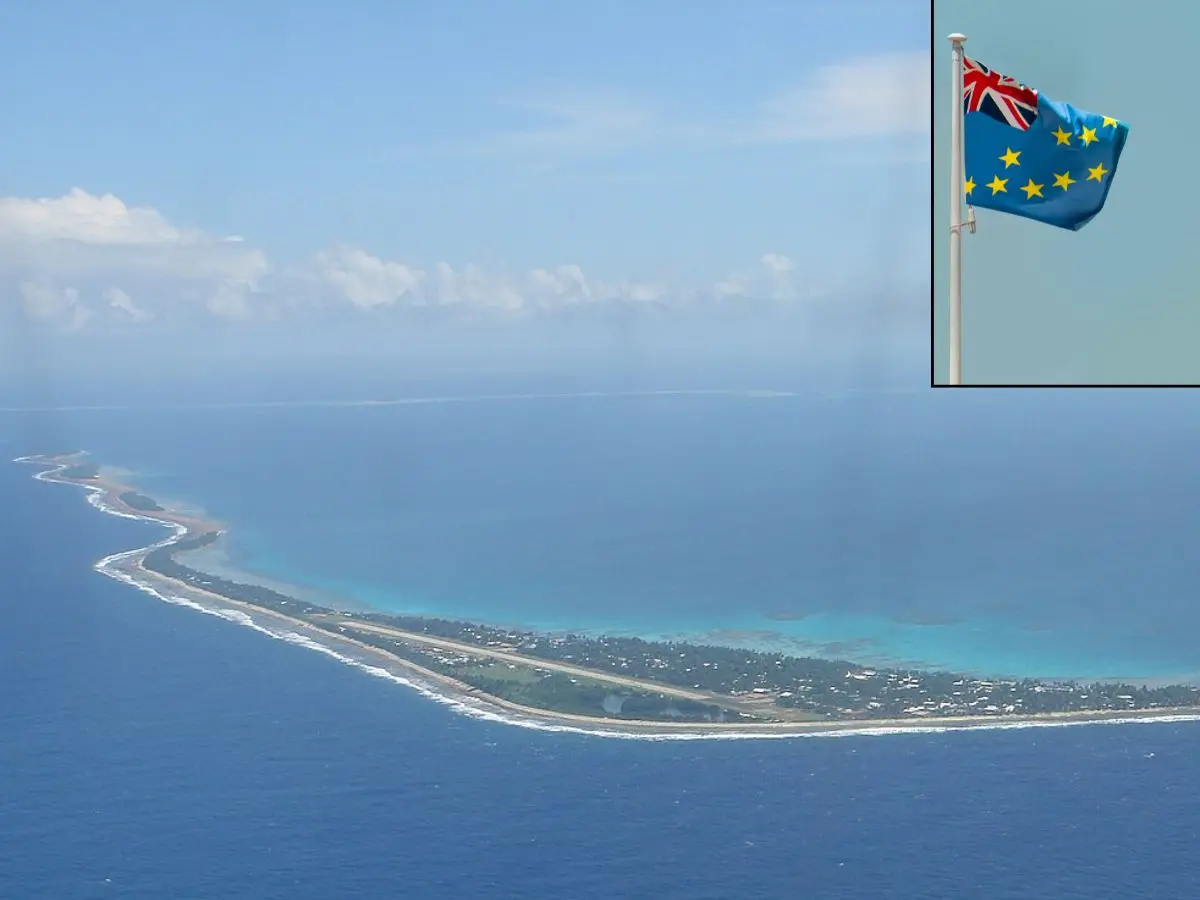
Tuvalu is made up of nine small coral atolls and islands, home to just over 11,000 people. Photograph: (Wikimedia Commons, Pexels)
The urgency behind the exodus
________________________________________________________________________
Tuvalu’s vulnerability stems from a combination of rising sea levels, more intense storms and the loss of freshwater sources to salinisation. According to recent studies, sea levels in the region were already 15 centimetres higher in 2023 than they were 30 years earlier. By mid-century, high tides could submerge much of the country’s habitable land, eroding its cultural and economic foundations.
The government has attempted to preserve its heritage through innovative measures such as 3D-scanning the islands, creating a digital record of the nation in case its physical territory is lost. However, this technological safeguard cannot prevent the displacement of its people.
A global warning
Tuvalu is not alone in facing such existential threats. Low-lying nations like the Maldives, Kiribati, the Solomon Islands, Fiji and Vanuatu are similarly at risk. Even wealthier nations, including the United States, face the prospect of relocating communities as rising seas threaten coastal states like Florida and Louisiana. Scientists warn that by 2070, over three billion people worldwide could find themselves living outside the climate conditions that have sustained human civilisation for millennia. Tuvalu’s exodus is a stark demonstration that climate change is no longer a distant forecast but a present reality.