In fields from Australia to France, an unlikely partnership between photovoltaic panels and woolly grazers is revealing unexpected benefits—for animals, land, and climate alike.

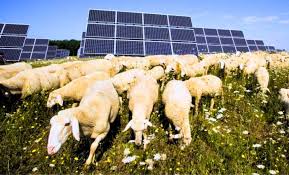
In the rolling hills of New South Wales, Australia, a quiet agricultural experiment is turning heads in both energy and farming circles. Amid rows of shimmering solar panels at the Wellington Solar Farm, nearly 1,700 merino sheep have been roaming freely—not as intruders, but as partners in a system that may redefine how land is used in the climate age.
What began as a practical solution to overgrown grass has evolved into a model of symbiosis. By allowing sheep to graze among the panels, Lightsource bp, one of the world’s largest solar energy developers, stumbled into a surprising realization: the panels weren’t just powering homes. They were improving animal welfare and even enhancing wool quality.
The sheep benefited from the shade and shelter the panels provided, especially during sweltering summer temperatures or sudden storms. But something more subtle began to emerge. Soil beneath the panels retained more moisture. Grass stayed greener. Parasite loads on the sheep appeared to drop. And when their wool was tested? In some cases, it came back finer and stronger than that of animals grazing in open paddocks.
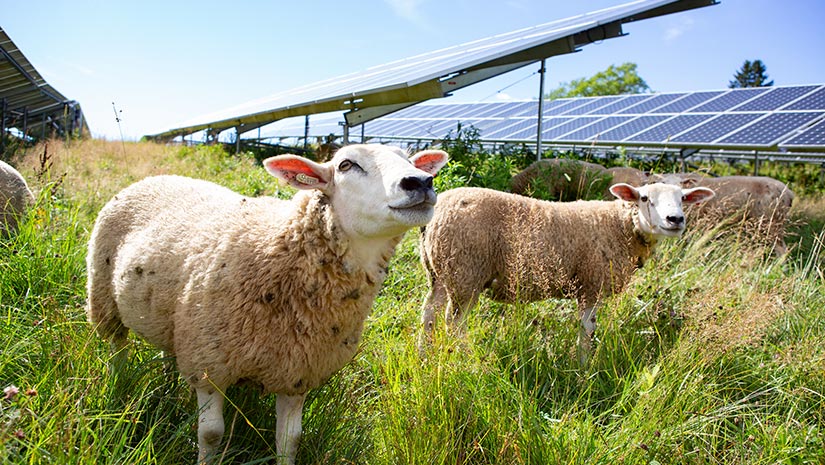
These observations, backed by formal monitoring through partners like EMM Consulting and Elders Rural Services, are driving renewed interest in a field known as agrivoltaics—the co-location of agriculture and solar energy. While the idea isn’t new, the scale and depth of these findings mark a significant step forward in understanding how two seemingly unrelated industries might thrive on the same land.
_______________________________________________________________________
Read Also : A UK farm tests curbing greenhouse gases by making sheep burp less
________________________________________________________________________
Turning Shade Into Strategy
In Australia, the solar sheep experiment began with modest goals: cut mowing costs, reduce fire risks, and maintain vegetation without diesel-powered machinery. But the biology of sheep—and the microclimate created by the panels—added a layer of complexity few expected.

“The thermal comfort alone was a game changer,” said Brendan Clarke, who oversees environmental planning at Lightsource bp for Australia and New Zealand. He notes that heat stress is a growing issue in livestock systems, particularly in regions where temperatures routinely surpass 35°C (95°F). “The panels act like portable trees,” he said. “They give the animals options—to seek shade, to escape wind, to manage their exposure.”
These aren’t small perks. Heat stress has been linked to lower fertility, reduced weight gain, and suppressed immune function in sheep, according to research from CSIRO. In this context, the solar arrays do more than passively generate power—they actively reshape the microenvironment of a pasture.

At Wellington, researchers reported more consistent forage quality under the panels, a result of improved soil moisture retention and reduced evaporation. That means sheep have access to better grazing throughout the year, even during drier spells—a critical advantage in a country prone to drought.
What France’s Data Adds
Across the world, a similar experiment was unfolding in France, where the national agricultural research institute INRAE collaborated with renewable energy producers Statkraft and CVE. Over two years, they monitored a small flock of sheep on a six-hectare solar site in the south of the country.
Using motion sensors, climate monitors, and behavioral tracking, the team found no negative impacts on the animals’ health or movement patterns. Instead, they observed increased grazing activity in shaded areas during high heat, and improved forage growth beneath the panels. There was even evidence that frost damage was reduced in those areas—extending the grazing season and protecting young shoots.
According to Véronique Deiss, a researcher at INRAE, “The comfort of the animals is markedly improved, and the forage quality consistently benefits.” These findings were published in April 2024 in an official report by INRAE, and they align closely with what was seen in Australia: solar installations may be quietly solving two problems at once.
_______________________________________________________________________
Read Also : Man Thought He Was Saving a Stray Sheep—But This Rare Creature Chnature
________________________________________________________________________
A Model for Dual-Purpose Landscapes
The broader implications of these studies are still being mapped, but a picture is forming. As countries ramp up their renewable energy infrastructure, one of the most contentious issues is land use. Large-scale solar farms often face criticism for displacing agriculture or wildlife. But agrivoltaics offers an alternative: multifunctional landscapes where energy, food, and ecosystems coexist.
In the European Union, agrivoltaics is now being tested under land-sharing frameworks that prioritize dual-use efficiency, especially in regions where farmland is scarce or under pressure. Meanwhile in the U.S., the National Renewable Energy Laboratory (NREL) has documented the benefits of combining solar with grazing or pollinator habitats—often leading to increased biodiversity and long-term soil health.
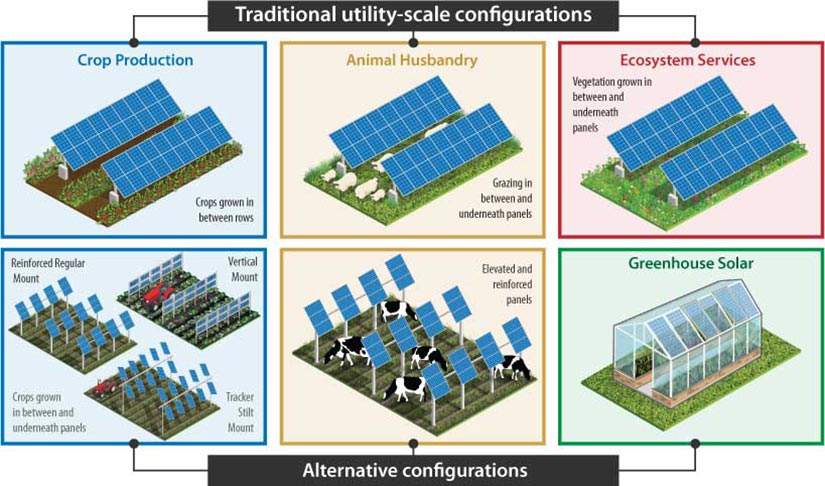
Back in Australia, the Wellington trial remains ongoing. Lightsource bp has signaled interest in expanding the model across future sites, though they caution that results may vary depending on geography, panel design, and animal management practices. Still, for now, they’re confident in one thing: this isn’t just a one-off success—it’s a glimpse into a new kind of rural infrastructure, where clean energy and traditional agriculture don’t compete, but collaborate.
NOTE – This article was originally published in Indian Defence Review and can be viewed here