Incorporating fennel seeds into your post-meal routine can support better digestion, reduce bloating and promote overall gut health.

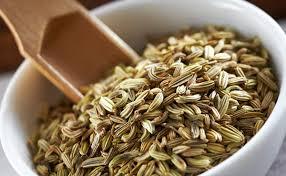
Fennel seeds have long been a staple in Indian households and traditional remedies. While often enjoyed after meals for their refreshing taste, do you know these seeds also have several digestive properties? Incorporating fennel seeds into your post-meal routine can support better digestion, reduce bloating and promote overall gut health.
Now, gastroenterologist Saurabh Sethi is reinforcing this age-old practice, which could make a noticeable difference in how your body feels after every meal. In a post shared on Instagram, he explains why you should add fennel seeds to your post-meal routine.
________________________________________________________________________
Benefits of eating fennel seeds
1. Support digestion
The gastroenterologist shares, “These contain natural compounds that can help reduce gas and bloating after heavier meals.” Rich in fibre and anti-inflammatory compounds like anethole, they help alleviate bloating, constipation, and indigestion. Chewing them post-meal also freshens breath and supports metabolism.
________________________________________________________________________
2. Freshen breath
Chewing fennel seeds acts as a natural breath freshener that combats odour-causing bacteria and stimulates saliva production. “These contain aromatic oils that naturally help reduce bad breath,” he adds.
3. Relax the gut
According to Dr Saurabh Sethi, fennel has gentle antispasmodic effects that can reduce stomach cramps and intestinal discomfort. As a carminative, they help break down gas and facilitate its elimination, reducing bloating. They stimulate the secretion of digestive enzymes and gastric juices, accelerating the breakdown of food.
The gastroenterologist recommended chewing a teaspoon of fennel seeds after every meal.
Disclaimer: This content including advice provides generic information only. It is in no way a substitute for a qualified medical opinion. Always consult a specialist or your own doctor for more information. NDTV does not claim responsibility for this information.
NOTE – This article was originally published in NDTV and can be viewed here