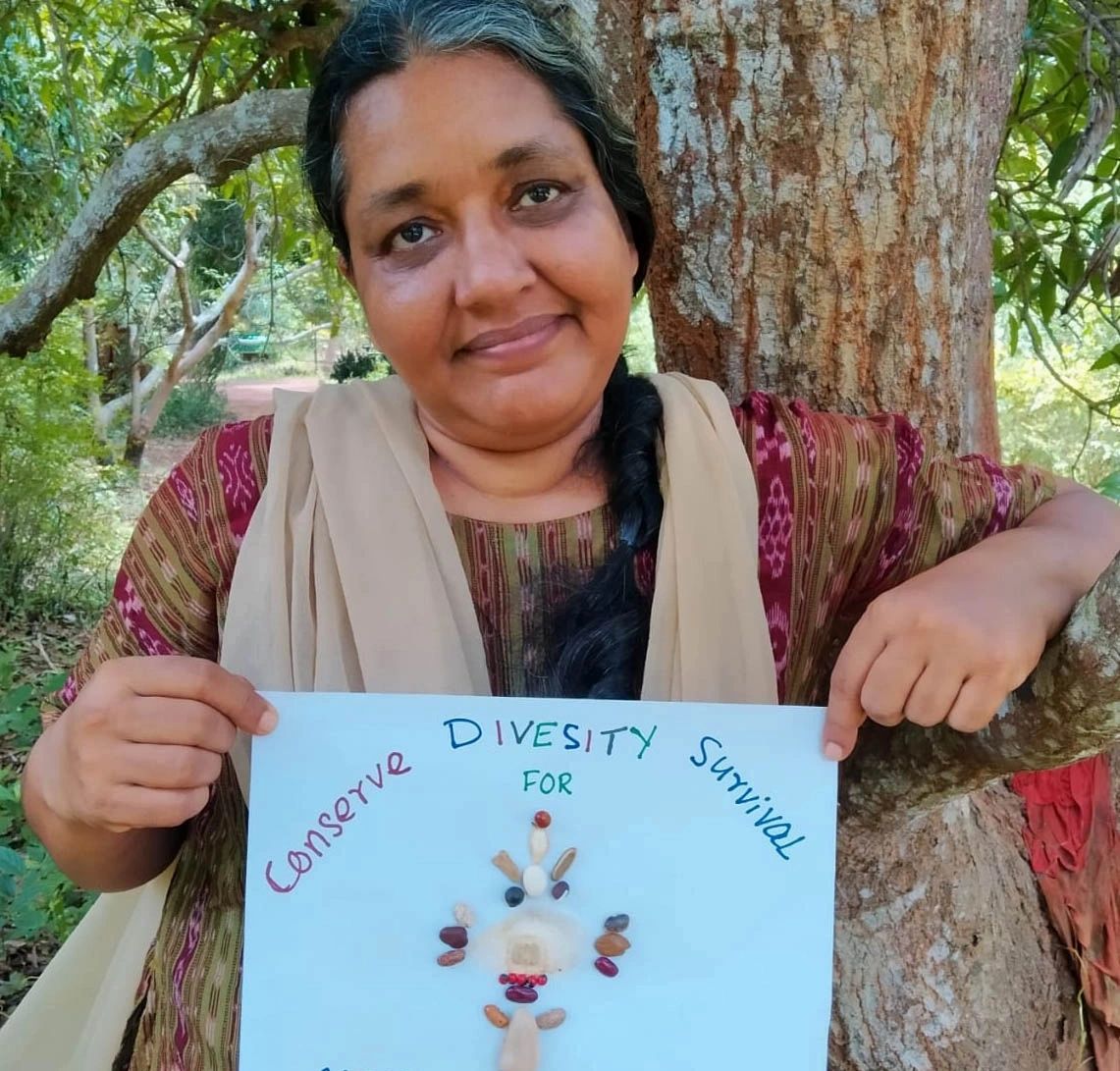
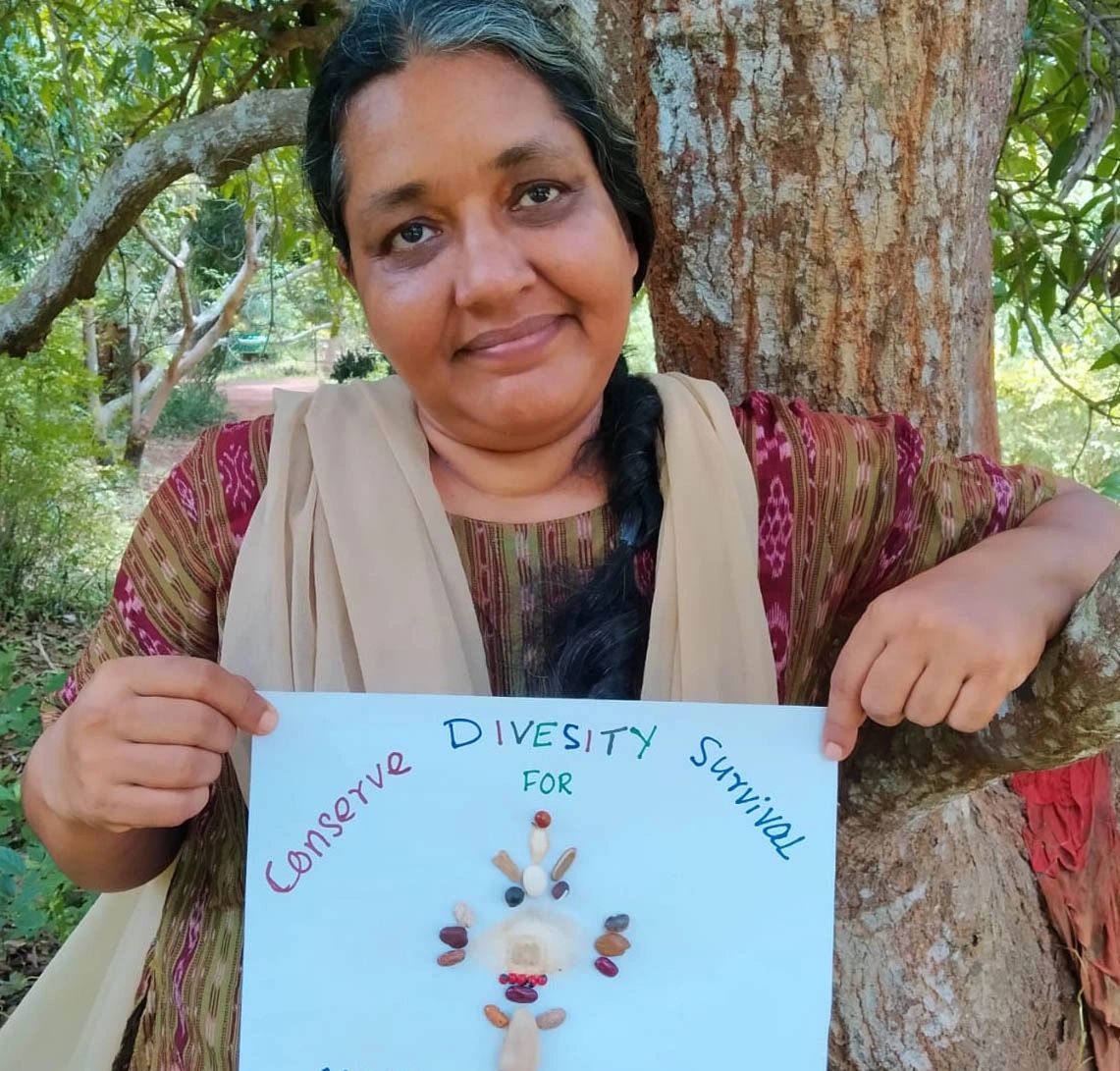
On the occasion of World Food Safety Day we talked to Padma Shree awardee Sabarmatee, an Odisha based Environmentalist, organic farmer and activist. This year Sabarmatee Apa (Apa means elder sister) and her father Prof. Radhamohan received the Padma Shree award in recognition of their more than 30 years of hard work, immense contribution in organic farming and converting 90 acres of waste land into a dense forest.
“Buy Organic Products Online at best prices at http://www.getgreen.co.in “.
Ipsita Mishra in conversation with Sabarmatee Apa
Q: Sabarmatee Apa, please tell us the story from the beginning?
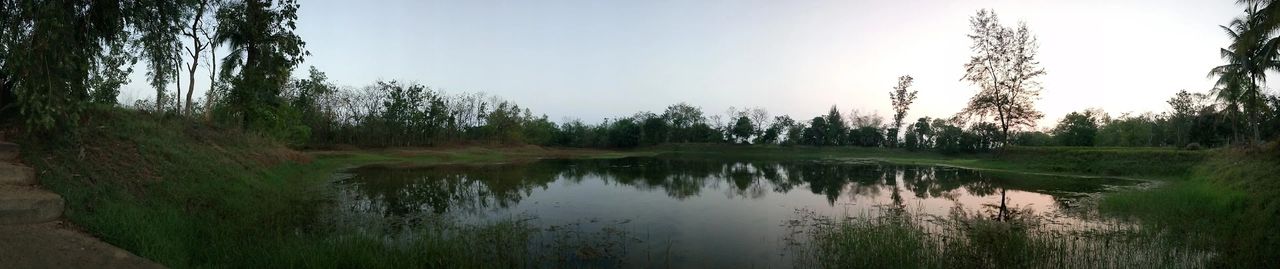
Apa: It took us around 11 years to buy the land. In 1989, when the piece of wasted land was purchased in the Nayagarh district of Odisha, which had absolutely no topsoil to support farming.
Before the organisation got registered, we organised a meeting in the nearby village. We elaborated our ideas regarding the importance of conservation, natural resources like forest, soil, water, crops etc and regarding women’s issues. One of the components was organic farming. Our aim was to restore the ecological balance in that area. Many of local people resisted our decision, made fun and said it won’t be possible, but we decided to make it possible. That was the start of Sambhav meaning “possible”.
Q: Please tell us more about Sambhav, a heaven on Earth.
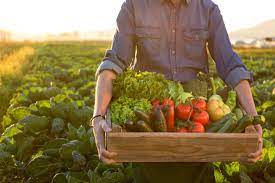
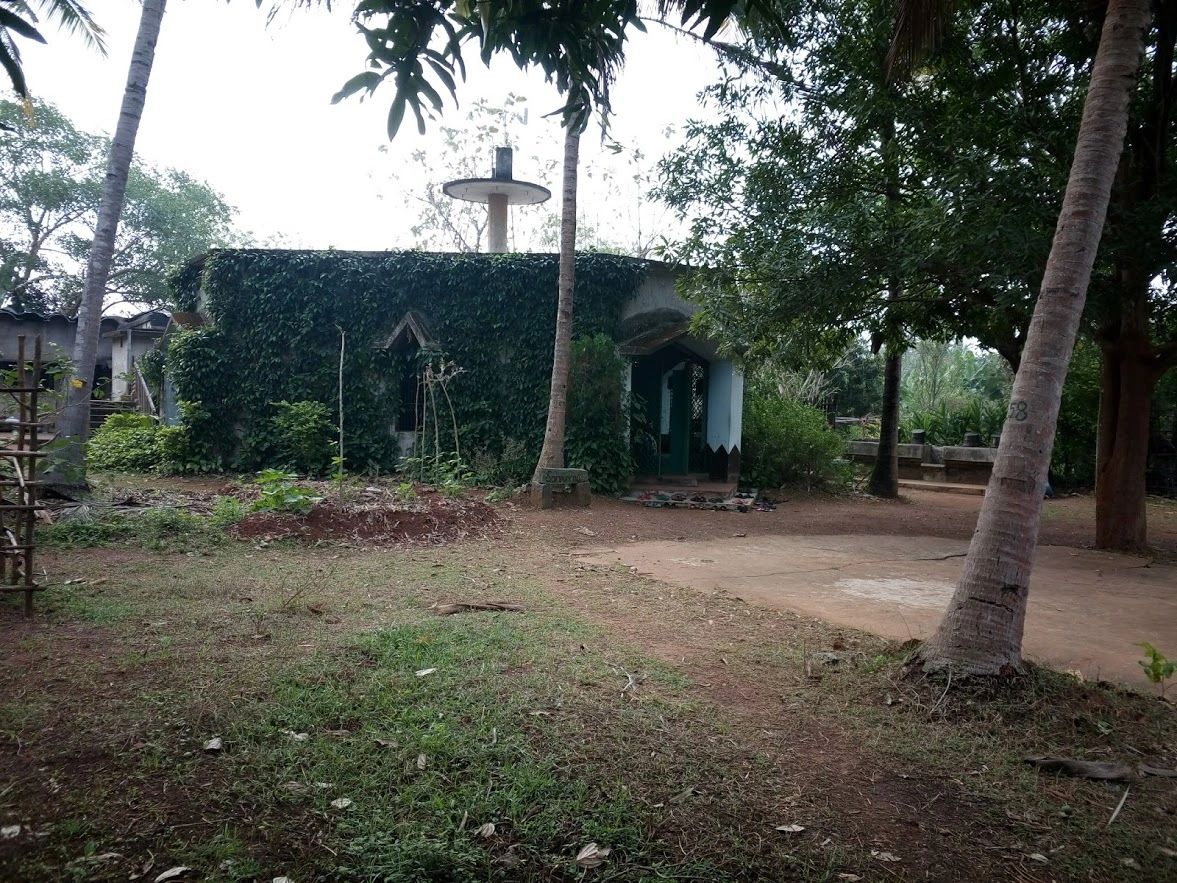
Apa: By using all organic methods – cattle manure, mulching, bio gas slurry, indigenous seeds and rigorous work of hard working team Sambhav is now the home of over 1000 species of plants, 500 varieties of rice, 800 varieties of indigenous seeds for seed bank. Also, home of numerous animals and birds.
Q: Why only organic methods?
Apa: Because there is no alternative to this!
Given a choice, would anyone like to be poisoned? Certainly not. Wouldn’t we love to eat healthy food, drink good water and breathe good air? How can we get them without following organic methods?
Read Also : Intensive Farming – Worth The Effort!!
She explains it further:
With the climate change and increasing population, farmers now-a-days rely on hybrid seeds and various chemical fertilizers to increase the yield. This practice left them with lot of debt, dependency on corporate and barren land. While in organic methods you use resources in your surrounding. It makes you more independent and self-reliant. Indigenous seeds are climate resilient have high nutritional value, can be used multiple times and are more resistant to pests. For rice cultivation we use climate-friendly method of farming like System of Rice Intensification (SRI) which does not require flooding the farmland and reduces methane emission.
Q: WOW! Do you provide any training in Organic farming?
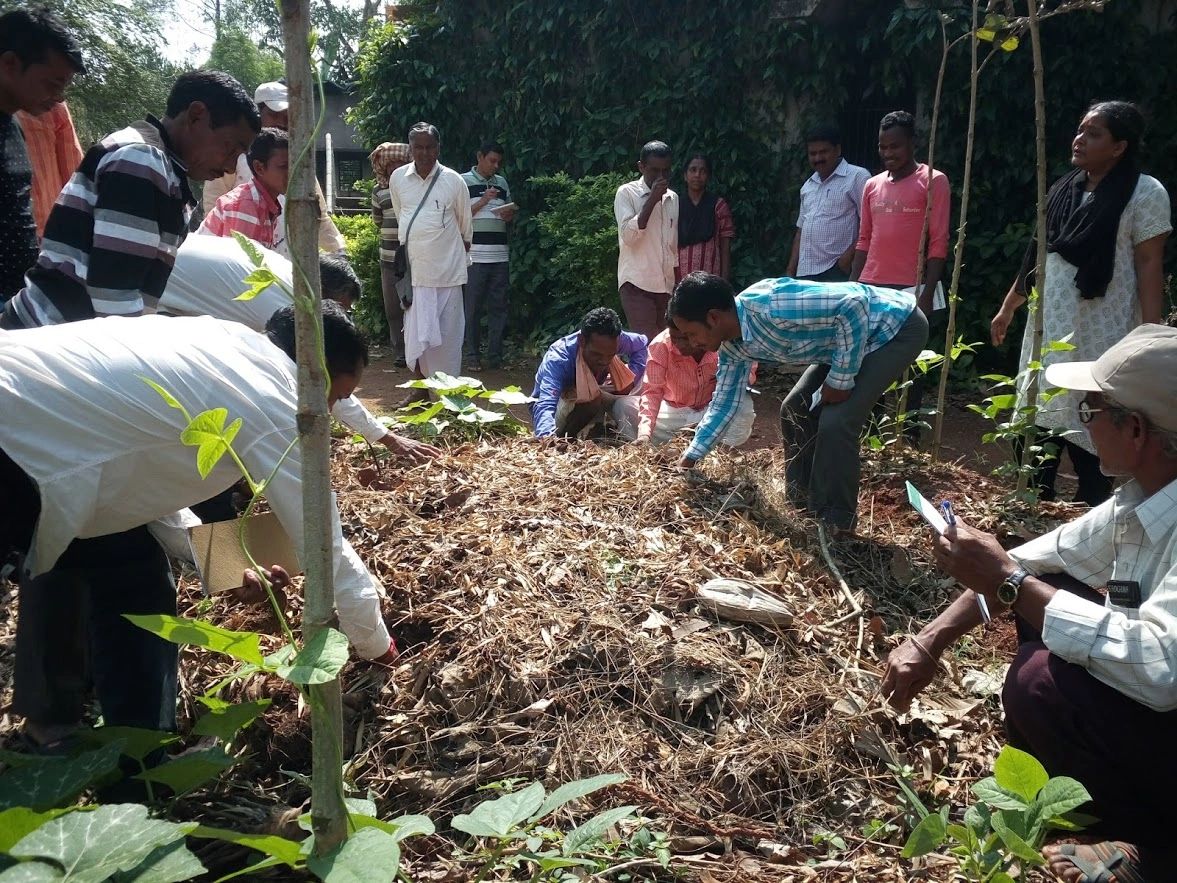
Apa: Yes , we share knowledge with individuals and also with groups from various walks of life. On average, around two thousand people come every year for this. Over the years, Sambhav has become a resource centre for organic farming, where people from all over the world are trained on methods of organic cultivation.
Q: What other activities does Sambhav do other than Organic farming?
Apa: We focus on two major issues – environment and gender issues. The environmental works include biodiversity conservation and its resources, practice, experimentation, and promotion of organic farming. Gender issues include supporting community action, providing information, technical support to women and children in distress and prevent child marriages.
Q: How can we get involved with Sambhav to spread goodness?
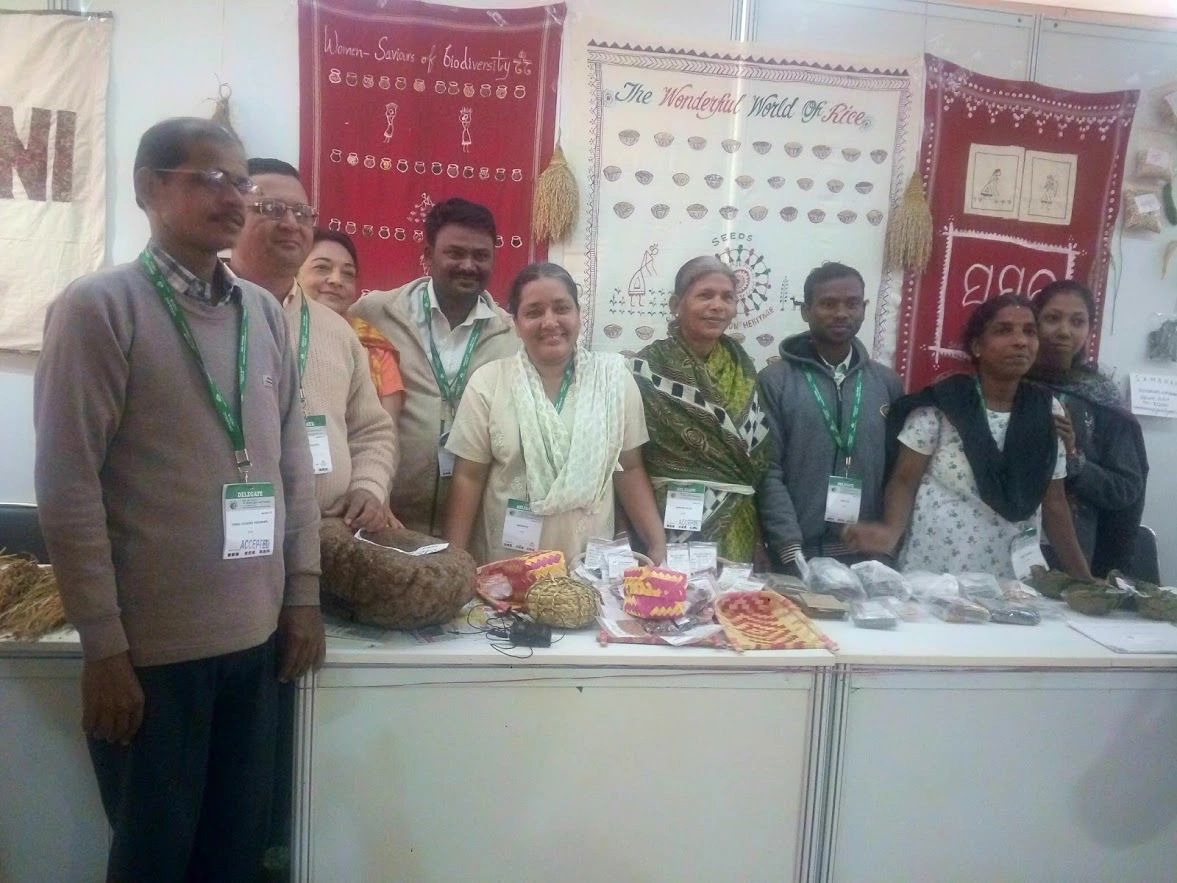
Apa: You must do what you can for a safe present and future. Be responsible consumers. Start responsible consumer campaign and spread awareness regarding safe food. Start from hospitals, try to talk to doctors, patients and all health care providers to consume poison-free food. Right now, or in future, we can’t afford to be poisoned for too long. Get connected with farmers, request for organic food.
Take a pledge, “WE WILL NEITHER CONSUME NOR FEED POISON!”
Q: What will be the situation for farmers after the lockdown?
Apa: This is a very complex, challenging and complicated issue. Farmers will always continue their work, regardless the situation – difficult or easy.
Q: Apa, what are the challenges in this situation?
Apa: I don’t have one proper answer for this. However, let me express a few thoughts.
It’s a strange situation now. People left villages for other jobs – mostly not agriculture as it’s not attractive anymore economically, socially and politically. Now they have come back from a richer zone to a poorer zone to accommodate themselves. Some may go back, some may get absorbed in other sectors, some may start their own venture. Few others may show interest in agriculture and allied sectors. Some of them already have some skills and some may agree to work but require new skills or new tools and equipment or get organised to do the same work differently. So they can be absorbed in agriculture, horticulture, forestry, apiculture, mariculture, floriculture, dairy, animal husbandry or even integrated agriculture. They may work directly or in processing.
Read Also : Smart Farming: The Future of Agriculture
Q: What, finally, would be your message for people and young generation on World Food Safety Day, Apa?
Apa: (laughs) people are quite knowledgeable and well aware. What advice do I give? But to be able to live and survive, we have to stop poisoning each other. I always believe in “GO ORGANIC, GROW ORGANIC!”
At last, my message for all, “Stay safe, not only from COVID-19 but from all diseases, violence and other negative things.
जीवेम शरदः शतम् – Jivema Sharadam Shatam… ( May We Live for 100 years)”
Tags: #coronaviru, #covid-19, #environment, #farmers, #getgreengetgrowing, #goorganic, #grenstories, #groworganic, #organic, #organicfarming, #gngagritech