
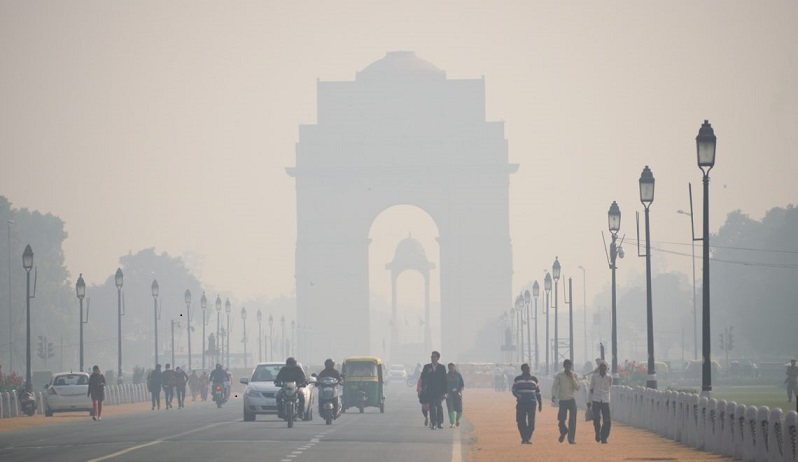
Delhi is the most polluted city in the world. Air pollution in Delhi is worst among all the cities in the nation. Due to this, approximately 1.5 million people were losing their lives. It is the fifth-largest killer in India.
The major reasons for detoriating the air quality is stubble burning. farmers burn rice stubbles in Punjab, Haryana and Uttar Pradesh. It is estimated that nearly 35 million tonnes of the crop is set to fire by these states. The wind carries all the pollutants and dust particles, which have got locked in the air. It was one of the main reasons for increasing air pollution during the month of October-November is crop burning by the farmers in these states.
The pollution in the city comes from industry and vehicles. Industry produces air pollution in the form of untreated smoke that has many hazardous gases in it. Industries also discharge thousands of litres of toxic effluents into the river. The air and the water of the city have become highly toxic, leading to many health complications.
During the winter season, dust particles and pollutants in the air become unable to move. Due to stagnant winds, these pollutants get locked in the air, resulting in smog.
Large-scale construction works in Delhi is increasing dust and pollution in the air. It also has landfill sites for the dumping of waste, burning of waste in these sites also contributes to air pollution.
This poor quality of air is responsible for many health problems in urban people. It mostly affects the lungs and reduces the immune system in children which increase the risks of cancer, diabetes and epilepsy. Children are more vulnerable to this pollutants. In adults, it reduces the lung capacity, headache, sore throat, lung cancer, cough, fatigue and early death
The only solutions to this critical problem are people’s mass participation in saving the environment. Residents of Delhi should go for planting more air purifying plants for both indoors and outdoors these plants purify the air and give fresh oxygen to breathe. Forestation drive, and stopping the use of fossil fuels altogether can solve this problem.

These house plants will clean the worlds smoggiest city :
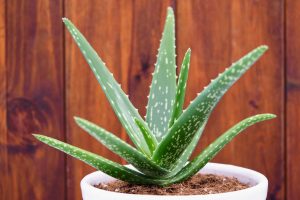
Aloe vera: Aloe vera is the most favorite potted plant for both indoors and outdoors which is easily available in any nursery. Choose any plant among 250 varieties. It requires more sunlight and easy to grow. It also filters benzene and formaldehyde from the air.
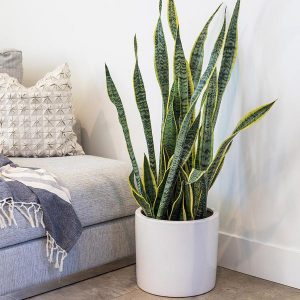
Snake Plant: It cleans the air better than most other indoor plants as it can absorb excessive amounts of carbon monoxide. Additionally, it emits oxygen and filters other toxins from the air such as benzene, xylene, trichloroethylene and formaldehyde. It is also known as mother-in-law’s tongue. Snake plant is a resilient succulent that can grow anywhere between 6 inches to several feet. In addition to providing a bit of ambience, snake plants have several health benefits.
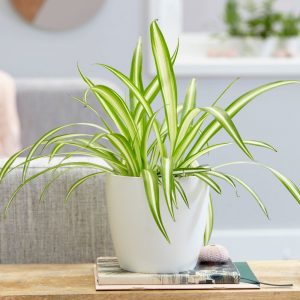
Spider Plant: It is one of the most adaptable of houseplants. One of the easiest indoor plant to maintain, the Spider Plant produces oxygen whilst purifying the air in your home and office by absorbing carbon monoxide, formaldehyde and xylene. Additionally, Spider Plants are non-toxic and are edible, making them safe for pets and young children.
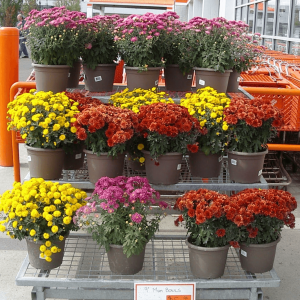
Chrysanthemum: This plant is a staple in fall gardens. Mums are a national symbol of fall abundance, and this herbaceous and hardy perennial is an easy addition to give a gorgeous pop of colour in your fall garden landscape. The plant will add aesthetic value to the home while purifying the air. It purifies benzene in the air. The plant needs a lot of sunlight so the balcony would be the perfect place for it.
Read Also : Ayurveda and Modern Medicine: Are They Compatible?

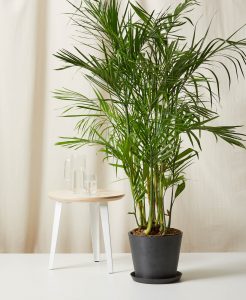
Bamboo Palm: This plant is a natural humidifier. These plant ranked third all-around for keeping room air clean. Needs a lot of room to grow. It is beneficial for the areas which have dry air. It helps filter carbon monoxide, xylene, benzene and formaldehyde out of the air. It requires less sunlight, so keep it in a shady indoor place.
English Ivy: we love the look of them in a hanging basket or macramé, or even placing a plant on the bookshelf with the leaves cascading down. Gives us all the cottage feels. These plants are very easy to care for but note that they are toxic to animals. This plant prefers to be in cooler temperature around 60 degrees. Ivy vines attach to surface, so be careful where you place them.

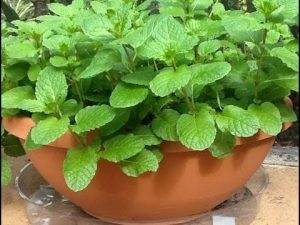
Aromatic indoor herbs that purify air naturally are rosemary, lavender, basil, mint, jasmine, geranium.



Tags: #airpurifyingplants, #cactus, #dioscorea, #exoticplants, #foliage, #gardendesign, #getgreen, #gngagritech, #gogreen, #greenstories, #homedecor, #houseplants, #indoorjungle, #indoorplants, #nhernher, #phyllanthusmirabilis, #plants, #plantsofinstagram, #sprout, #succulents








We’re a group of volunteers and starting a new scheme in our community. Your site provided us with valuable information to work on. You’ve done a formidable job and our whole community will be grateful to you.