A new algae-based binder makes asphalt tougher in freezing temperatures while pushing roads toward carbon neutrality.

Winter’s freeze-thaw cycle is brutal on roads, and fixing the damage costs billions every year.
Cracking asphalt, frost heaves, and potholes are more than just annoyances for drivers and pedestrians.
They are persistent safety hazards that strain municipal budgets, especially in colder regions where temperatures swing rapidly below freezing.
Now, researchers say the answer to tougher, longer-lasting roads may come from an unexpected source: algae.
A new study describes how oils derived from microscopic algae could replace part of the petroleum-based binder used in asphalt, making paved surfaces more flexible, durable, and greener.
The approach targets one of asphalt’s biggest weaknesses.
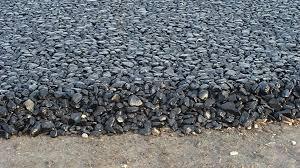
Conventional pavement relies on bitumen, a crude oil–based material that binds sand and rocks together.
While bitumen allows roads to expand in heat and contract in cold, it becomes brittle when temperatures plunge, leading to cracks that spread under traffic and moisture.
________________________________________________________________________
Why asphalt fails
To address this, a research team led by Elham Fini developed a rubbery, sustainable binder made from algae oil.
Earlier work by the group showed that algae-derived oils can behave like bitumen while performing better at low temperatures.
“Algae-derived compounds can improve moisture resistance, flexibility and self-healing behavior in asphalt, potentially extending pavement life and reducing maintenance costs,” says research team lead Elham Fini.
“In the long term, algae asphalt could help create more sustainable, resilient and environmentally responsive roadways.”
Building on those findings, the researchers used computer modeling to analyze oils from four algae species. The goal was to identify candidates that could mix well with asphalt solids and remain functional during freezing conditions.
One species stood out. Oil from the freshwater green microalga Haematococcus pluvialis showed the strongest resistance to permanent deformation under simulated traffic stress.
It also offered better protection against moisture-related damage, a key contributor to pothole formation.
Laboratory tests pushed the material further. The team subjected algae-enhanced asphalt samples to repeated traffic loading and freeze-thaw cycles designed to mimic real-world conditions in cold climates.
________________________________________________________________________
Greener roads ahead
The results were striking. Pavement made with the algae-based binder showed up to a 70 percent improvement in deformation recovery compared to asphalt using a conventional crude oil binder.
Beyond durability, the environmental implications are significant. The researchers estimate that replacing just 1 percent of petroleum-based binder with algae-derived material could reduce net carbon emissions from asphalt by 4.5 percent.
At roughly 22 percent substitution, asphalt pavement could theoretically become carbon neutral.
The team says the technology could deliver high-performance roads without a major cost penalty, while also cutting emissions from one of the most widely used construction materials on Earth.
Funding for the work was provided by the U.S. Department of Energy.
NOTE – This article was originally published in Interesting Engineering and can be viewed here