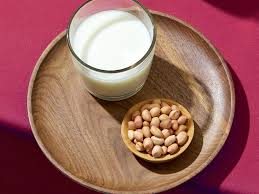
Almond milk and oat milk are popular dairy alternatives. While there are pros and cons to each, oat milk is better for the environment and easier to make at home.
Soaring demand for lactose-free and vegan-friendly milk made way for a dizzying array of products. Between soy, rice, macadamia, coconut, and potato — yes we said potato — you’ve got mad options.
Today, we compare two of the most popular picks: almond milk and oat milk. Which is better for you and for our planet? Here’s the scoop.

Let’s start by crunching the raw numbers. Here’s a breakdown of the nutrition deets for 1 cup (8 fluid ounces) of almond milk and oat milk.
_______________________________________________________________________
Read Also : The role of women in rural development, food production and poverty eradication
________________________________________________________________________
| Almond milk, unsweetened | Oat milk | |
| calories | 39.3 kcal | 120 kcal |
| protein | 1.05 grams (g) | 3 g |
| fat | 2.52 g | 4.99 g |
| carbs | 3.43 g | 16 g |
| sugars | 2.12 g | 7.01 g |
| fiber | 0.524 g | 1.92 g |
| iron | 0.734 milligrams (mg) | 0.288 mg |
| phosphorus | 23.6 mg | 269 mg |
| potassium | 176 mg | 389 mg |
| sodium | 189 mg | 101 mg |
| riboflavin | 0.026 mg | 0.6 mg |
| vitamin B12 | 0 micrograms (mcg) | 1.2 mcg |
It’s important to note that lots of oat and almond milk brands throw extra stuff into their products. Sometimes this helps bulk up nutritional benefits with stuff like calcium and vitamin D. Other times it’s about improving the flavor or texture.
For example, almond milk sometimes contains carrageenan. This comes from seaweed and brands might use it as a thickening agent. But this additive links to inflammation in folks who have inflammatory bowel diseases like Crohn’s disease or ulcerative colitis.
That said, it’s a good idea to always look at product ingredient lists as you consider buying. Check for additives that might not agree with you. Or, make your own almond or oat milk so you know exactly what’s in it. (More on that in a minute!)
Almond milk is a lower carb dairy alternative that can taste great in lots of meals, drinks, and baked goods. But there are def some potential pitfalls to be aware of.
Is almond milk actually healthy?
Almond milk is low calorie, lactose-free, and contains enough vitamin E to act as a solid antioxidant. Antioxidants can help reduce the risk of strokes, heart disease, and certain cancers. Some almond milk brands fortify their products with ingredients like calcium, phosphorus, magnesium, iron, and copper.
On the surface, almond milk looks really nutritious. But things might get more complex depending on what brand you pick. Some brands are full of added sugars that might not be great for your health.
Is almond milk good for the environment?
While almond milk might be a more ethical option if you steer clear of cow milk, it might not be the most sustainable substitute.
It takes an average of 3.2 gallons (12 liters) of water to grow a single almond, according to a 2018 study. The study also noted that 80 percent of almonds grow in drought-stricken California.
Is almond milk easy to make at home?
Yes! You can make almond milk yourself and be confident of no surprising additives. Follow these steps:
- Soak 2/3 cup of whole almonds in a covered bowl of water.
- Let them soak for at least 4 hours, but overnight is typically best.
- Drain and rinse the almonds.
- Put them into a blender with 3 cups of cold water.
- Blend til you’re left with liquid and almond pulp.
- Drain the liquid from the pulp using a strainer or coffee filter.
- Enjoy!
BTW, if you keep homemade almond milk in the fridge, it’ll last 2 or 3 days. Considering how simple it is to make, you can easily whip up a fresh batch twice a week and never run out.
_______________________________________________________________________
Read Also : Modular Micro Farms: A New Approach To Urban Food Production?
_______________________________________________________________________
Oat milk is a sweet, creamy alternative to dairy. It’s way better for the environment and may contain fewer additives than almond milk brands. On the other hand, it’s higher in carbs and calories than some other milk alternatives.
Is oat milk good for you?
Oat milk and almond milk are similar in nutritional content, but oat offers slightly more protein, fiber, phosphorus, and vitamin B12. It’s a bit higher in carbs and calories (but that’s not necessarily a bad thing).
Almond milk often contains more additives than oat to thicken and sweeten it up. Not all of these ingredients are great for you. Oat milk is less likely to need these extras to be enjoyable in cooking or cookie-dipping.
Is oat milk environmentally-friendly?
Farming oats takes drastically less water than almond trees. On the other hand, it does need more land space, which could translate to higher CO2 emissions depending on the farming methods. But overall, oat milk is the clear winner this round.
Can you make oat milk at home?
Oat milk is typically as easy to create yourself as almond milk. We use salt to tweak the flavor a bit, but you can totes skip that step if you want.
- Soak 1/2 cup of rolled oats overnight in a covered bowl of water at room temperature.
- Drain your soaked oats and put them in a blender with 3 cups of cold water and 1/2 teaspoon of salt.
- Blend the mixture until the oats pulverize completely.
- Use a sieve or coffee filter to remove the very last of the oat pulp.
- Enjoy!
Homemade oat milk should last up to 3 days if you keep it in the fridge. The thicker bits might settle to the bottom, but don’t let that put you off. Just give it a good shake and it should be good as new.
FYI: Homemade oat milk is not hydrolyzed. That basically means the consistency might be thicker or more gel-like than commercial brands.
It depends on what your vibe is. Oat milk is thicker and creamier than almond milk. Almond milk can be pretty watery and mild in taste unless it contains extra ingredients that thicken it up. But again, different brands do different things to their products. Almond milk brands might add sugar or thickeners to make the milk taste more like cow milk.
You can use almond milk and oat milk as dairy substitutes in many savory meals or sweet treats.
Thanks to its high water content and thin consistency, almond milk might be better than oat milk. With oat milk, you might find that batters start to separate or baked goods turn out a bit chewy. Almond milk also has a milder taste, which tends to play nice with a wider variety of flavors.
The type of oat milk you use can also make a huge difference. Full fat oat milk is generally better for thicker batters and doughs than low fat oat milk. Additionally, almond milk that has a lot of preservatives or added flavors might give your nom-noms a funky taste.
P.S. If you’re not a fan of cooking with oat or almond milk, you might like soy milk. It has a high protein content, which tends to work well in baked treats, creamy sauces, or dressings.
Both almond milk and oat milk can be nutritious additions to your diet, even if you’re trying to lose weight. But it’s worth noting that oat milk has roughly double the number of calories as almond milk because it has more carbs and fat.
______________________________________________________________________
It’s worth noting that both milks have fewer calories than whole milk and are great options for people with lactose sensitivities.
Almond milk requires a lot more water to produce and is less environmentally-friendly than oat milk. It’s also more common to find additives like thickeners and sweeteners in commercial almond milk brands. But almond milk might be better in cooked or baked dishes because it has a thinner consistency and milder flavor.
You can easily whip up almond milk or oat milk at home. This is often a more nutrient-rich option than buying it from the store, since you’ll know exactly what’s in it. But if you do decide to shop for your dairy-free milk (no shame!), just be sure to look at the label. Opt for brands that don’t contain any questionable ingredients.
Is Oat Milk the New Almond Milk?
OK, so what is it?
Oat milk is a nut-free, dairy-free milk alternative made from strained oats. (Yep, the same kind you’ve been eating for breakfast.) How do oats become milk, you ask? The process is actually quite simple—and very DIY-able. Soak steel-cut or old-fashioned oats in water, blend until smooth, strain out the remaining solids, and drink up! You can keep the homemade stuff in the fridge for up to four days.
Why is it so popular?
OK, well, first of all, oats are so hot right now. Second, this milk is lower in fat than most dairy varieties and higher in proteinthan some of its other plant-based competitors like almond milk and coconut milk (though it’s important to note that soy milk, pea protein milk, and dairy milk still come out on top for this one). And since the process keeps all of the soluble fiber intact, oat milk has one of the highest fiber contents of ALL the milks, including almond, coconut, and even cow’s milk!
So if you’re looking for a milk alternative with a great taste and better texture that will keep you full for longer, this might just be the milk for you. Oat milk also is rich in beta-glucan, which can help keep cholesterol levels in check.
Nutritional benefits aside, oat milk is naturally creamy and sweet, and lots of people are reporting it’s the best-tasting milk alternative on the block.
Are there any downsides?
Though it’s got a lot going on for it nutritionally, oat milk tends to be higher in calories. One cup of this stuff has somewhere around 130—compared to almond milk and soy milk, which, unsweetened, even out at around 30 and 80 calories, respectively. In other words, if you’re cutting the cals, oat milk probably shouldn’t be your go-to beverage. Also, some brands can be insanely high in sugar, so be sure to check the nutrition label before adding it to everything you eat or drink. That being said, it’s creamy and delicious, so when you’re feeling up for it, go ahead and treat yourself.
Who should avoid it?
Don’t hop on the oat milk bandwagon if you’re a proper caveman or are on the keto diet, since oats are grains, and grains are, sadly, off-limits. Those who are looking for low-sugar options should be sure to check the label (it can vary from brand to brand) or make their own version at home. But if you’re vegetarian, vegan, gluten-free, and have nut allergies to boot, these oats are yours for the taking.
What should I use it for?
Obviously, it’s delicious enough to guzzle down a whole carton on its own. But we think oat milk also comes out on top in several contexts. Due to its rich texture, it’s starting to become the plant-based milk of choice when it comes to coffee. The heavier consistency makes it perfect for latte art, and adding it cold to any iced coffee or latte will give you a creaminess that goes even beyond whole milk. Since it’s on the sweeter side, it’s also great in smoothies and matcha lattes.
Where can I find it?
If you’re sold on this sweet nectar of the oat—and honestly, who isn’t?—scan your local grocery store or look online for Oatly, the Swedish brand that recently rose to fame in U.S. artisan coffee shops. Within the past year, it’s spread from being sold in just a few New York shops to more than 1,000 locations across the country. Oatly also offers low-fat, chocolate, and super-foamable barista varieties, so you can keep it light, drink it as a sweet snack, or froth it like there’s no tomorrow.