As you have noticed, the weather is not what it used to be. In 2023, we experienced severe flooding, heat, rainfall, snowfall, and wildfires. Are Extreme Weather Events Increasing?
A new field of climate scientists conducted several studies to learn the contribution of human activity to extreme weather and temperature changes. Such studies helped discover that human-caused global warming and climate change increase the occurrence of extreme weather.
Since the beginning of industrialization, severe weather and climate events have occurred. Examples of extreme weather events include drought, heat waves, flooding, hurricanes, and winter storms. The increasing rates of climate change are increasing the rates of disasters.
Yes! Climate change is responsible for Hurricane Ian in Florida, the megadrought of the western United States, Hurricane Harvey, and the South Korean heat wave in October 2021.
In this article, we briefly discuss the types of extreme weather conditions. We also discuss the severe climate events that have occurred in recent years and how climate change increases the occurrence of these events.
What are extreme weather events?
Extreme weather events are severe weather and climate conditions with devastating impacts on communities, properties, and agricultural ecosystems. It also refers to unusual climate events for a particular area or time. These severe climate events are:
Heat Waves

Heat waves refer to unusually extended periods of high temperatures. They harm humans by causing dehydration and shock and worsening the conditions of people with cardiovascular diseases. Diabetic people are also at risk of heat stroke.
The World Health Organization stated that heat waves are among the most dangerous weather conditions. However, it doesn’t have enough attention because the destruction and death toll from heat aren’t immediately. Records from 1998 – 2017 show over 166,000 people died from extreme heat.
________________________________________________________________________
Read Also : Zero Waste Lifestyle – Need of The Hour
________________________________________________________________________
Heat waves also affect animals, vegetation, and natural ecosystems. They increase the chances of crop and food production loss. High temperatures also increase the risk of other natural disasters like wildfires, dust storms, and drought.
Flooding

Floods are one of the most common extreme weather events. They refer to water overflowing on dry land. Flooding occurs after heavy rainfall, a dam breaks, or ocean waves come on shore. Floods can cover a large area, submerging houses, trees, and properties.
The most dangerous type of flood is flash floods. A flash flood is flooding with an incredible speed. It occurs when the ground can not absorb rainfall or water over-accumulates in a stream or river.
River floods affect the areas surrounding rivers and streams. Sometimes, you can prepare for flooding, especially in a flood-prone environment. However, flooding often catches people unawares.
Ice storm

Ice storms refer to the accumulation of snow in the environment. A snowstorm can cut down trees and damage power lines, communication towers, and other properties. The extreme weather event can destroy communication and power for days and cost a lot to fix.
Ice is also harmful to people on the transportation routes. Roads become slippery for motorbikes, cars, trucks, and other types of vehicles. Ice storms also cause ice jams. These occur when extended cold spells freeze rivers and lakes, and ice formed causes problems when broken into large chunks by a rise in water level or ice melting.
Large chunks of ice can get stuck in man-made and natural obstructions. For instance, they can cause flooding by blocking a water passageway. Ice storms also cause black ice, an invisible patchy section of ice on roads.
It forms in the early morning after the snow melts and refreezes overnight. It is clear ice on a black road, often difficult to notice.
________________________________________________________________________
Read Also : 11 REDUCE, REUSE, RECYCLE LESSON IDEAS FOR EVERY SUBJECT
________________________________________________________________________
Wildfire

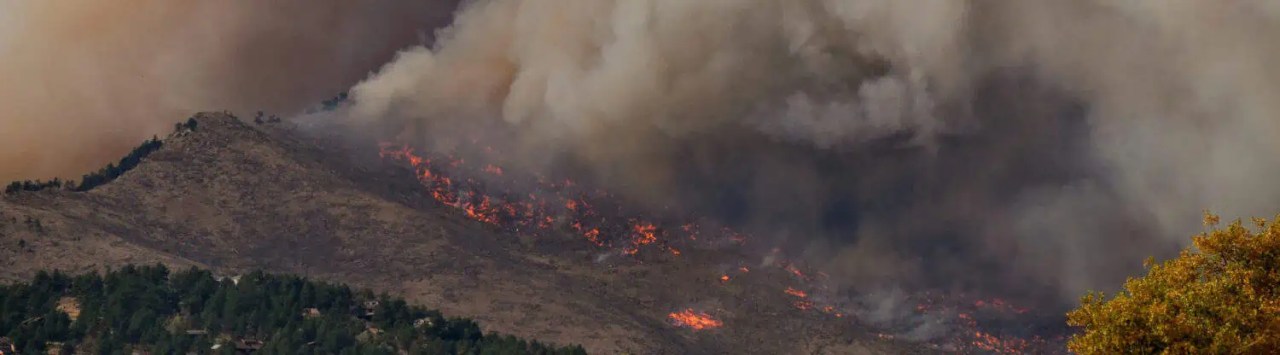
A wildfire is an extreme weather event that burns forests and grassland and extends to the urban area. Human activities or natural causes can cause a wildfire. Lightning is responsible for most naturally occurring wildfires, but volcanic eruptions, coal-seam fires, and meteor showers can also cause wildfires.
A wildfire becomes a mega-fire when it burns over 100,000 acres of land. A mega fire harms the environment and humans on a large scale. The risk of a wildfire increases with higher temperatures, droughts, and high winds.
The National Oceanic and Atmospheric Administration (NOAA) reports show that wildfires caused1 $81.6 billion in damage from 2017 to 2021, an increase of nearly tenfold from 2012 to 2016.
Cyclones

Cyclones refer to atmospheric disturbances around low-pressure areas. The atmospheric disturbances are often speedy and destructive air circulation, accompanied by bad weather and violent storms.
According to the Metrology Office of the United Kingdom, tropical cyclones develop in tropical oceans at a latitude of at least 5° – 30° north or south of the equator, where the sea temperature is at least 27 °C. They transfer heat and energy between Earth’s equator and poles.
Tropical cyclones are all fueled by warm ocean water. However, its name varies depending on the location of the formation. In the Atlantic and East Pacific, we refer to them as hurricanes. The same forces of nature occurring in the West Pacific earn the title of typhoon. Meanwhile, those that form in the Indian Ocean or near Australia are simply addressed as cyclones.
Hurricane
Now, let’s focus on the type of cyclone that typically lands in North America. A storm becomes a hurricane when sustained winds reach 74 mph.
The Saffir-Simpson Scale rates these from 1 to 5 — the higher the category, the more potential for damage. This scale aids emergency officials in assessing wind dangers, with Categories 3 to 5 considered major hurricanes. Examples of the most disastrous ones in the last few years are Hurricane Harvey and Hurricane Maria, category 4 and 5, respectively.
The frequency and timing of hurricanes differ depending on the ocean in which they form. According to the National Oceanic and Atmospheric Administration, the Atlantic hurricane season, which impacts the Atlantic Ocean, Caribbean Sea, and Gulf of Mexico, begins from June 1 to November 30. On average, 14 named storms, seven hurricanes, and three major ones are produced.
Meanwhile, the eastern Pacific hurricane season affects Mexico and Central America from May 15 to November 30, producing an average of 15 named storms, eight hurricanes, and four major ones.
_______________________________________________________________________
READ ALSO : Ozne chart shows the best and worst face masks for coronavirus protection — and…
________________________________________________________________________
Drought

Drought events refer to extended periods of dryness in the environment. The duration of droughts often varies, but they could last for a few weeks or years. There have been three major drought events in the United States in the last century.
Two extreme events are the 1930s Dust Bowl Drought and the 1950s drought. These severe drought conditions lasted between 5-7 years. NOAA has four classifications of droughts.
They classify meteorological drought by the degree and duration of dryness and agricultural drought by the impacts of agriculture, which are caused by factors such as rainfall deficits, soil water deficits, or reduced groundwater.
Hydrologic drought occurs because of the lack of rainfall in the water supplies, such as stream flow, lake levels, and groundwater table decline.
Lastly, socioeconomic drought is based on the impact of drought conditions (meteorological, agricultural, or hydrological drought) on the supply and demand of some products. It occurs when the demand for an economic good exceeds supply because of a weather-related deficit in water supply.
Latest Extreme Weather Events (2023-2024)
1. Cyclone Freddy in South Africa, 2023

Cyclone Freddy hit the southern African and the Indian Ocean in February and March. It started in Australia as a disturbance and hit the eastern coast of Madagascar on February 21. Then it stuck in Mozambique on 24 February. It returned to the Mozambican channel, passing near the southeastern coast of Madagascar on the 5th of March.
Cyclone Freddy made a second landfall in Zambezia province, Mozambique, and proceeded to Malawi with heavy rainfall on 11-12 March respectively. It is the longest-tracked cyclone in the world. The World Meteorological Organization (WMO) tracked it for 34 days. Cyclone Freddy killed at least 17 people in Madagascar and destroyed over 41,000 houses with widespread flooding.
2. Snowstorm in Los Angeles, 2023
A strong winter storm hit Los Angeles on 26 February, one of the strongest to hit South California. Snow covered the hills around Santa Clarita. Strong winds destroyed trees and powerlines, leaving over 100,000 people without electricity. The storm also flooded several streams and rivers, and major roads were closed.
3. Extreme heat wave in Asia, 2023
Asia experienced various levels of heat extremes in 2023. Vietnam experienced hotter waves at 44.2 degrees Celsius, while Thailand’s temperatures were around 40°C. India, China, and Bangladesh also had unprecedented levels of heat.
Beijing experienced 27 consecutive days of temperatures above 35°C, leading to a temporary ban on outdoor work. In May 2023, Singapore had its highest temperature since 1983, reaching 37°C on the 13th of May.
4. Extreme heat wave in Chile, 2023
Rising global temperatures reached a new milestone in July 2023, making it one of the hottest months worldwide. During the winter, Chile’s temperature increased to 37°C, 15 degrees above the normal range. Extreme rainstorms also caused thousands to be without shelter and blocked roads.
________________________________________________________________________
Read Also: U.S. plastic recycling rate drops to close to 5% – report
________________________________________________________________________
5. Wildfire on Maui Island, 2023

Wildfires ravaged Maui Island, Hawaii, in August 2023. News reported it as one of the deadliest wildfires in Hawaii over the past 100 years. Over 115 people died, and over a thousand people went missing.
The wildfire started on the night of the 8th and lasted till the 9th. Upon investigation, they suspect that powerlines caused wildfires in areas experiencing moderate to severe drought conditions. The wildfire burned 2,170 acres in Lahaina and 678 acres in Kula. It destroyed over 2,200 buildings.
6. Cyclone Belal, 2024
Cyclone Belal hit northwestern Reunion and Mauritius on 15-17 January. It passed Reunion on 15 January, causing severe damage and casualties. On 17 January, a heavy storm occurred in the Indian Ocean. It also caused widespread flooding in Mauritius. Cars in Port Louis were submerged in floodwater.
7. Thunderstorm in Iowa, 2024
There were several thunderstorms in Eastern Iowa and Northeast Illinois on the afternoon and early evening of 8 February 2024. It was accompanied by strong winds of 35 to 50 mph. The strongest storms hit Jackson, Jo Davies, and Stephenson counties.
8. Chile wildfires, 2024
Deadly fires started on February 2 in four spots across the Valparaiso region. These fires were the deadliest fires to hit Chile’s forests. As of February 5, there were 161 active fires. The fire department controlled 102 fires, but 40 fires are still burning.
Over 20,000 acres of land close to Quilpue and Villa Alemana burned. The fire destroyed the famous 94-year-old gardens of Vina del Mar, leaving about 1,600 people homeless. The fires destroyed properties and businesses. They also harmed the vulnerable populations of Chile’s wildlife. About 122 people died, and 200 people are still missing, while the fires affected over 40,000 people.
What is responsible for the increase in extreme weather events?
In recent years, weather patterns have become unpredictable. Winter lasts longer, rainfall is heavier than normal, and average global temperatures are rising. Scientists identify intense weather events based on the recorded weather patterns of a particular region.
Scientists believe climate change is a major cause of extreme weather, and climate conditions are becoming more frequent. Extreme weather events are characterized by unusually high or low wind, rain, snow, and temperature levels. Apart from climate change, natural weather patterns can cause climate disasters.
This section will discuss three factors responsible for the increase in extreme weather conditions.
Human-induced Climate change

Climate change is the primary driver of extreme weather conditions. Studies by several scientists show that it is the cause of the unprecedented heat, flooding, and droughts in recent decades.
How does climate change happen? Humans are the primary driver of climate change and global warming. We use fossil fuels like gas, coal, and oil for most human activities. We use it to fuel transportation, manufacturing, and power generation. Urbanization as a whole increases the chances of the planet warming up.
Using fossil fuels produces over 75% of greenhouse gas emissions in the atmosphere. These greenhouse gases include carbon dioxide, methane, nitrous oxide, and fluorinated gases. Carbon dioxide enters the atmosphere through solid waste, burning fossil fuels, trees, and other biological matter. Methane emissions enter the atmosphere through coal, natural oil, and gas production and transportation.
Livestock waste, agricultural practices, land use, and the decay of municipal solid waste produce methane emissions. Agricultural activities, land use, and industrial practices also contribute to nitrogen in the atmosphere.
Greenhouse gas traps heat in the atmosphere by absorbing the heat from the surface. When the heat can’t escape into space, it causes a greenhouse effect. The greenhouse effect causes higher temperatures.
Human-induced global warming triggers a series of extreme weather conditions in various regions across the world. As the planet warms, we experience hotter heat waves.
Human-induced climate change also contributes to extreme flooding and hurricane events. The increase in earth’s temperature and frequent occurrence of hotter heat waves warms the ocean. Heat makes the sea level rise, causing severe storm surges and hurricanes.
Climate change is also responsible for droughts and the rapidly warming Arctic. Droughts occur because increasing temperatures increase the evaporation rate in the atmosphere. This means water is lost from plants, waterways, and groundwater. Food production becomes difficult with little water supply and soil dryness.
Natural weather patterns

Nature also contributes to intense weather and climate disasters. Coastal areas or tropical regions have a higher risk of strong winds and flooding because the atmosphere holds more moisture than temperate regions. The tilt and orbit of the planet, absorption and reflection of solar radiation, and air movement also influence the occurrence of extreme weather.
An example of an intense weather event is El Nino, the El Nino-Southern Oscillation climate pattern of the tropical Pacific region. El Nino is the warm and cool phases of a recurring climate pattern. It switches irregularly every two to seven years, disrupting temperature, wind, and rainfall patterns.
Conclusion: Are Extreme Weather Events Increasing?
There is no denying the escalation of extreme climate events worldwide. The weather around here is not what it used to be. It is either too hot, windy, snowy, or rainy. Although these weather disasters occur naturally, they occur more frequently because of climate change.
We must reduce our contribution to climate change and global warming as a society. Let’s begin restoring natural habitats to remove carbon emissions from the atmosphere and heal the ozone layer. Only then can we save the world from extreme weather conditions.
Tags: #carbon, #climate, #climatechange, #environment, #flooding, #getgreengetgrowing, #globalwarming, #gngagritech, #greenstories, #heatwaves, #Icestorm, #nature, #weather, #wildfire, #wildlife