“Buy Organic Products Online at best prices at http://www.getgreen.co.in “.
The US Biochar Initiative, defines biochar as a…. “fine-grained charcoal made by pyrolysis, the process of heating bio-mass with limited to no oxygen in a specially designed furnace …” This form of carbon has very high surface area, a huge amount of pore space, which allows it absorb odors, and hold onto water, ammonia, and methane.
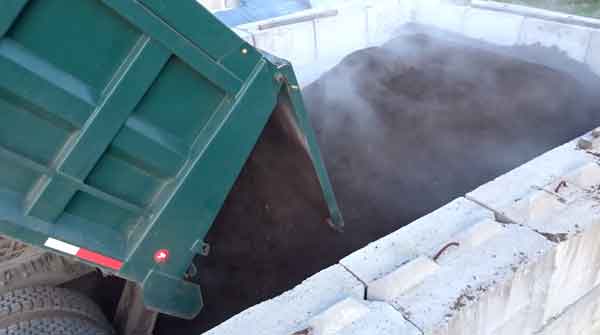
Composting logistics and challenges
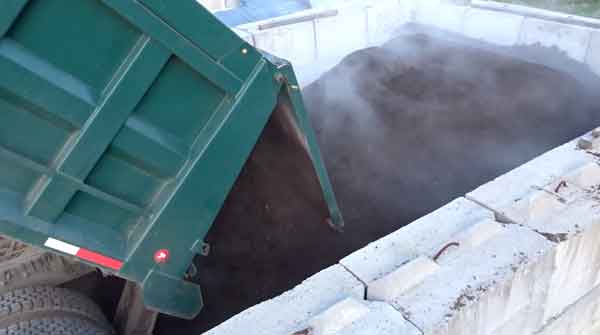
Ideally, in composting you get paid a decent fee to receive, process and create a quality product. But what happens when it doesn’t go quite right ? Maybe you have a solid contract for food waste, but now you’re overwhelmed by the sheer volume of material you need to process in a timely manner. You can only pre-mix and stockpile so much material. If you don’t process it fast enough, you can get tangled in regulatory issues.
Read Also :The Devil is in the Process: Co-composting Biochar Could Benefit Crop Growth and the…
Read Also :Vermicompost’s Role in Farming