

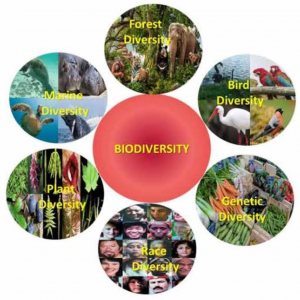
Biodiversity associates with a broad extent of plant and animal species living together in a particular region. It implies a variety of life in an area, ecosystem, or habitat. Biodiversity encircles the sufficient existence of numerous species of plants, bacteria, insects, mammals, birds, and other species. It illustrates the balanced fact of all these varieties in an environment. Healthy biodiversity influences everything in an ecosystem; the amount of pollinating birds and flies, compost-eating bacteria saving nutrients, and adequate bats to deplete an extent of crop-eating insects.
Biodiversity is vital to humans for several purposes. Biodiversity is also evaluated by numerous studies to possess intrinsic value. Each species has a value and a right to live, whether known to have value to human beings. Biodiversity upgrades ecosystem productivity where each species, no matter how tiny, all have an essential role to show. Vital biodiversity delivers several practical assistance for everyone, which includes:
Ecosystem assistance, such as
- Safety of water resources
- Soils collection and preservation
- Nutrient storehouse and recycling
- Pollution deterioration and absorption
- Assistance to climate strength
- Supervision of ecosystems
- Return from uncertain circumstances
Biological reserves, such as food, wood products, ornamental plants, breeding stocks, medicinal resources, pharmaceutical drugs, future resources, population reservoirs, variety in genes, species, and ecosystems. Social advantages, such as Research, analysis, recreation and tourism, cultural values, education, and monitoring.
There are six factors to promote Biodiversity in both rural and urban areas:
- A Step Towards Green Framework
The green framework is a strategy that strives to unite modern growth and infrastructure programs with biodiversity protection. When we make agendas for building highways, railroads, and bridges, we evaluate the consequences for local biodiversity and modify our strategies to minimize those. This will go an extended way to improve biodiversity. For example, in metropolitan areas, properly constructed parks, urban lawns, green roofs, and walls can participate in biodiversity. Similarly, green bridges and eco-ducts cannot only enable biodiversity, but they can also decrease accidents implicating wild animals and vehicles, which can amount to numerous million euros each year. Delivering wildlife choices to travel and discover modern food sources, water sources, and companions are crucial to urban biodiversity.
- Management of Protected Areas
Protected areas should be established and effectively organized to protect the ecosystem and the organisms living there. Today, protected areas worldwide cover around 15 percent of our land, about 10 percent of the coastal and marine areas within national jurisdiction, and 3.4 percent of our oceans. While their effectiveness varies from country to country, it is essential to continue promoting protected areas. Where protected areas have been effectively legislated and managed, biodiversity loss has been halted, and resilience to climate change enhanced. Any citizen can help by supporting action to designate appropriate areas and support the organizations managing these sights. You can provide directly to enable their trainings by visiting a local reserve or national park.
- Avoid interfering with unusual species
Nothing can be more harmful to an ecosystem than the intro of a modern species. Invasive unique species are non-native grains or animals submitted accidentally or intentionally into an ecosystem where they are not generally found, with serious adverse outcomes for that ecosystem. Usually, native and regional species can also deliver more ecosystem assistance. So what can you do to assure that local biodiversity is not affected by interfering with foreign species? Very barely, you can enable restrict the spread of intrusive alien species in your lawn and rather than plant local things.
• Use Organic Maintenance Procedures and use a native plant
Urban biodiversity can be benefited by preventing chemical fertilizers and pesticides that are not choosy and can’t say the disparity between adequate bugs and the bad. Flies, in person, can be prudent to pesticides, both organic and chemical. A shorn garden doesn’t deliver food or shelter for most wildlife, even down to the bacterial degree if pesticides liberally pertain. More explanations to stop formulating gardens can be found. The areas of cities are not spontaneous; sites were selected for future urbanity for the similar justification that many plants and animals inhabited them first; neighborhood to the ocean, major rivers, and land with sufficient nutrients to benefit various plant life. Because of this pre-existing connection with the ground, it’s simpler to assist those similar species even now, long after the setup was dredged and the river cleaned up. Usually, farming natives is a reasonable way to benefit a habitat’s regular wildlife because the birds and bees are already created to eat and use them. Selecting location-appropriate plants links into the fundamentals of adequate plant layouts.
- Follow for sustainable farming techniques
Farming had a significant influence on biodiversity. Intensive and monoculture agriculture consumes soil nutrients, but it also shreds the cultivated area from an extent of organisms that enable fight the stretch of insects. Endurable agriculture exercises help to combine biodiversity in several ways comprising in terms of variety of crops, traditional farming methods to prevent pests and improve productivity, as well as to assure that planted land is made up of a various combination of grazing area, cropland, orchards, wetlands, and organized woodlands. While many new agriculture harvests is not accumulated under these circumstances, authorized organic products often pursue one or more of the forenamed methods. Encompassing existing forest and even water retention ponds within a location or nearby area that likely already benefits wildlife is a fantastic jumping-off fact for finding out what kind of diversity you should formulate for.
- Be attentive to Non-native Predators
When you formulate in a residential neighborhood, always keep in mind not only the difficulties regional wildlife have in periods of habitat and food availability but how feasible it is that they will become food for non-native vultures. Constructing for biodiversity gives rise to nature, your consumer, and building a space that attracts your client to its demise is a no-go. Biodiversity in metropolitan areas comprises much more than rats and pigeons. We can determine how validating to various ways of life our urban areas are rather than grudgingly acknowledging only the great adaptable variety.
Read Also : Amazing Western Ghats of India – Biodiversity Part II
The significance of biodiversity cannot be overdone as our ecosystem expects it to undergo. It is up to us to ensure that we provide adequate relief for this diverse variation and a network for their survival just within our environment through our landscape configurations. The factors mentioned above assist in the improvement of biodiversity.
Image Source
https://images.app.goo.gl/UvLnWW56pVV2kmaY6
Tags: #biodiversit, #biodiversity, #birds, #climatechange, #conservation, #environment, #getgreengetgrowing, #gogreen, #greenstories, #macro, #nature, #naturelovers, #naturephotography, #photography, #wildlife, #wildlifephotography




