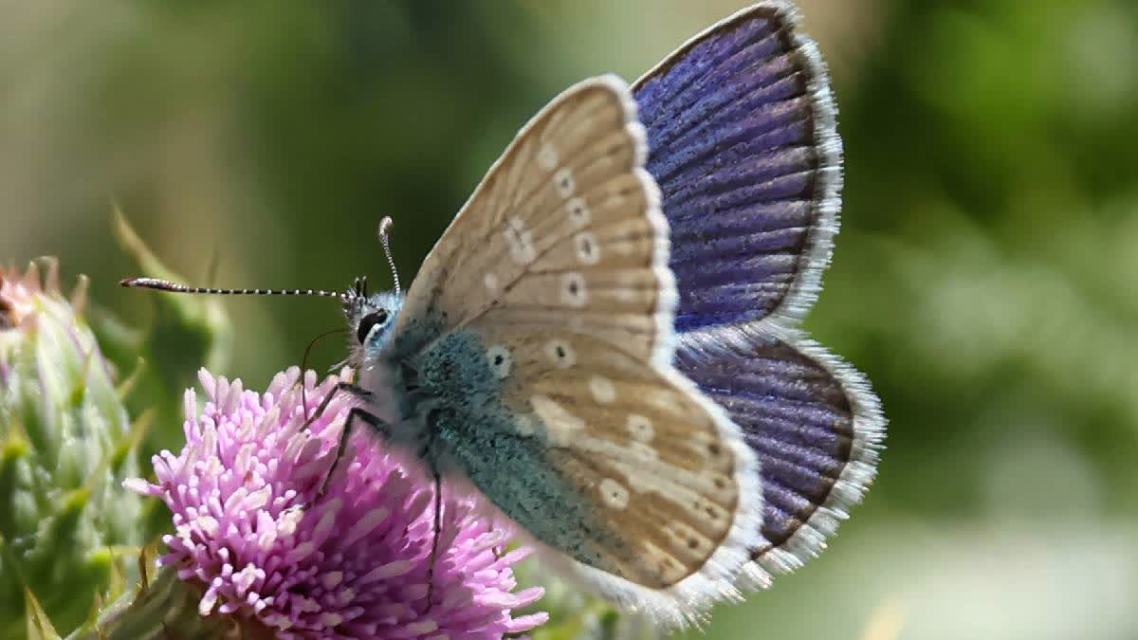
Padma Gyalpo started working as a bird guide in 2021 and shifted his focus to butterflies in 2023, adding new feather to wildlife photography portfolio.
Leh, Ladakh: Padma Gyalpo’s journey into the world of birds began in childhood. Fascinated by the creatures that fluttered and crawled around his home, he spent hours observing them. In 2011–12, a simple gift from his father, a camera, changed everything. With it, Padma began capturing images of birds and insects in the compound of his home, unknowingly taking the first step toward what would become a passion.
After completing his graduation in Life Sciences from Jammu University and a Master’s in Environmental Science, Padma’s interest in wildlife only deepened. A major turning point came in 2018, when he participated in a 15-day workshop called Students for Students (SFS), organised by SLC-IT. It was there that he was introduced to the rich diversity of Ladakh’s fauna—birds, reptiles, butterflies and mammals. The experience opened his eyes to a whole new world of ecological wonder.
_______________________________________________________________________
Read Also : Things You Can Do to Reduce Global Warming
________________________________________________________________________
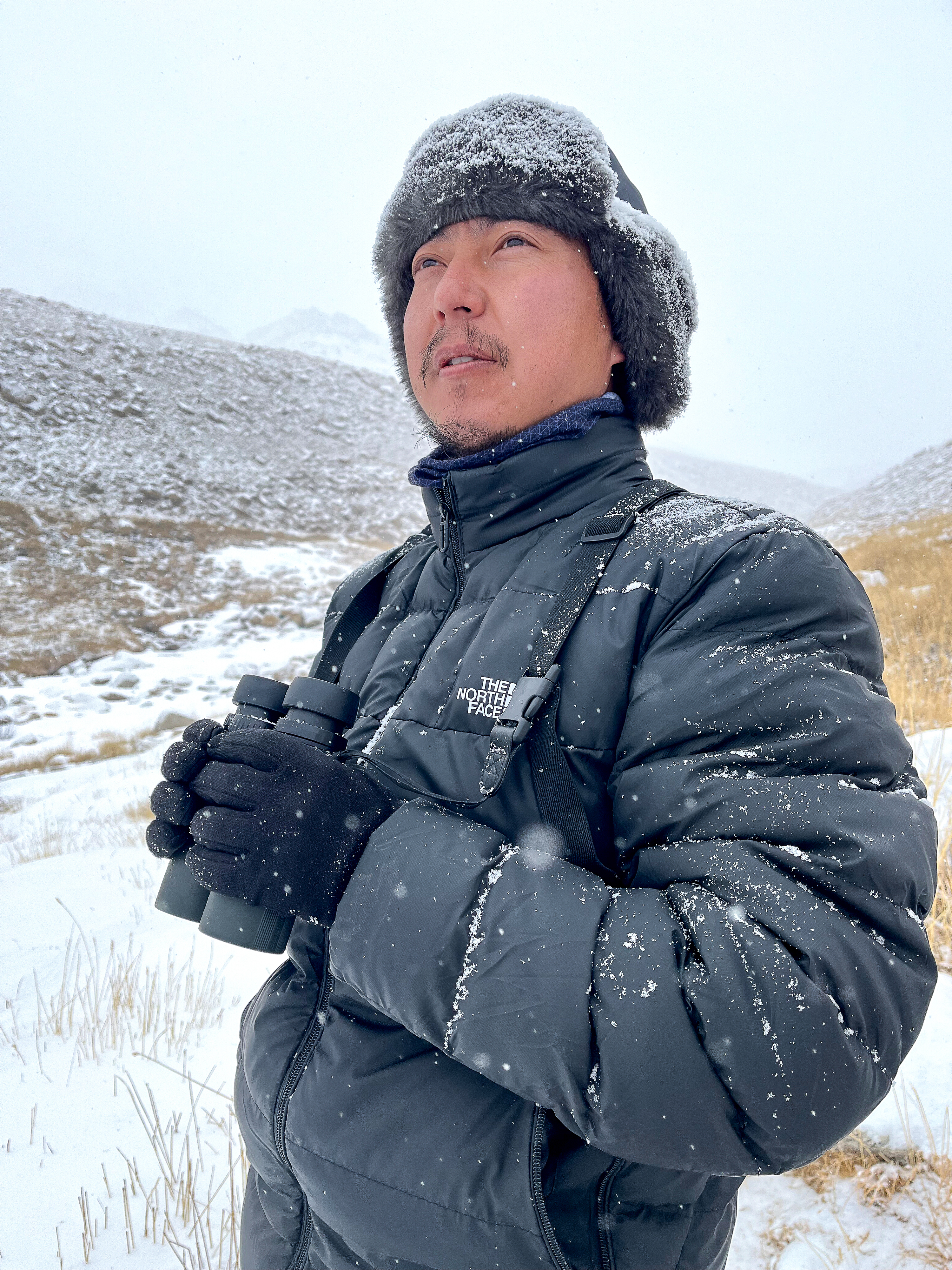
Wildlife photographer Padma Gyalpo (Padma Gyalpo)
That same year, he met Lobzang Visuddha, president of the Wildlife Conservation and Bird Club of Ladakh (WBCYL), whose mentorship proved to be another source of inspiration. Around that time, he also stumbled upon Otto Pfister’s book “Birds and Mammals of Ladakh”. Padma was instantly captivated. “I got addicted to that book,” he admits. “It made me even more curious to learn and explore.”
In 2021, Padma officially began working as a bird guide, sharing his knowledge and love for nature with visitors from around the world. By 2023, his lens had shifted again, this time to butterflies, adding another vibrant layer to his growing portfolio of wildlife photography.
“We have around 102 species of butterflies in Ladakh,” says Padma adding, “Historically, there hasn’t been much research or data on butterflies here, unlike birds, mammals, or other wildlife. Most butterflies found in Ladakh about 70% are Palearctic species, which are also found in colder countries like Russia and Siberia. Around 25% to 30% are oriental species that typically thrive in warmer regions. In Changthang, in the eastern part of Ladakh, we find a different set of butterfly species due to its higher altitude and colder climate. Similarly, the butterflies in Kargil and Zanskar differ from those in other regions. Many of the butterflies found in Ladakh are rare and endemic, meaning they are only found here. Some even carry the name of the region, like the Ladakh Tortoiseshell, Ladakh Banded Apollo, Ladakh Meadow Blue, Ladakh Mountain Satyr and Ladakh Clouded Yellow. These species are unique to Ladakh and are not found anywhere else.”
_______________________________________________________________________
Read Also : Worst mass extinction event in Earth’s history was caused by global warming analogous to...
________________________________________________________________________
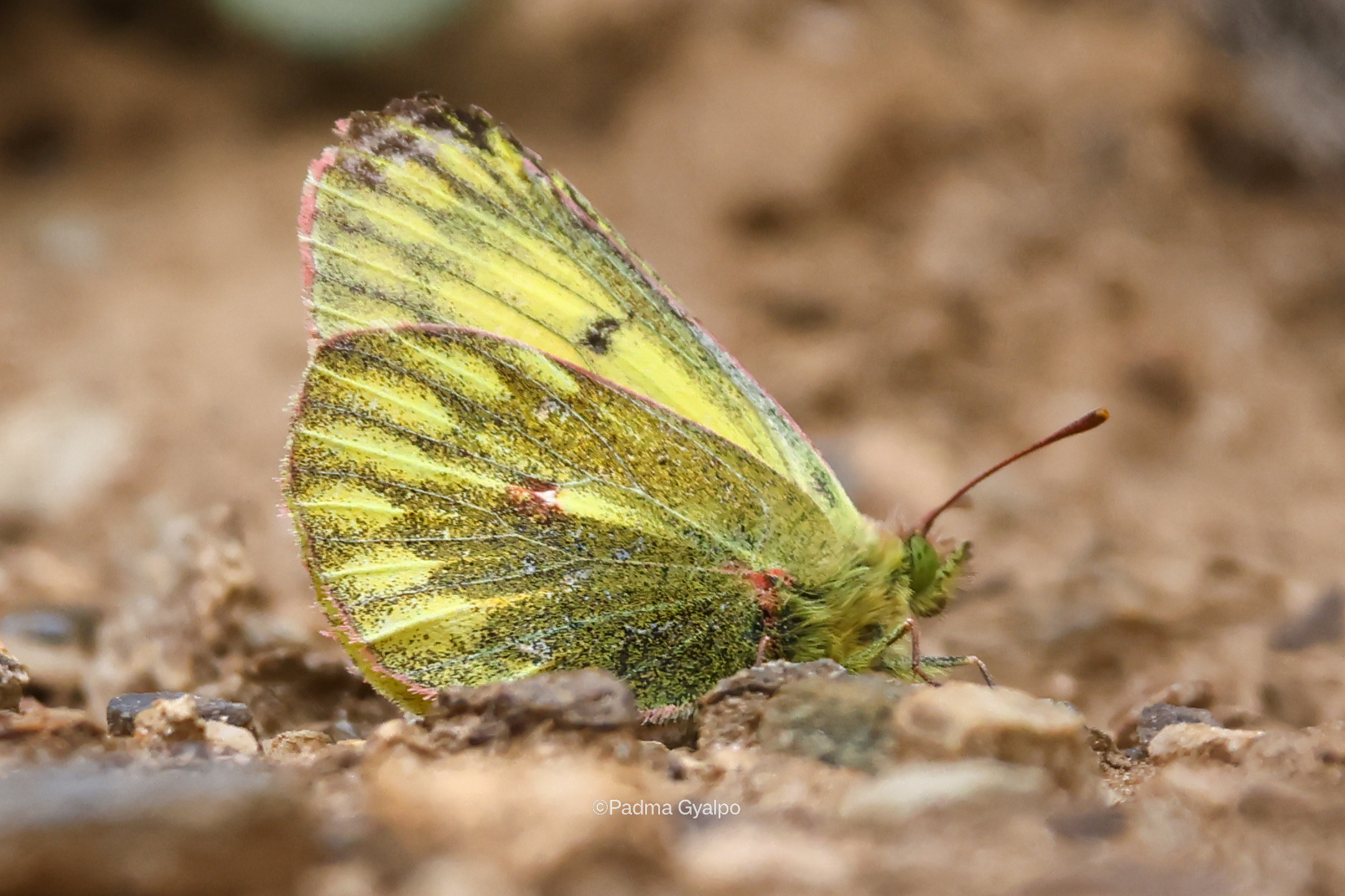
A butterfly species found only in Ladakh (Padma Gyalpo)
In 2023, Padma had the opportunity to intern with the United Nations Development Programme (UNDP) in Leh. As part of the internship, he spent 20 days conducting a field survey in the Changthang region of eastern Ladakh, a vast and remote high-altitude area known for its unique biodiversity.
Narrating his experience, Padma said he found around 30 species of butterflies in Changthang, eastern Ladakh. During that time, while surveying in Hemya, he came across a butterfly species that had never been recorded in Ladakh before, it was the Danaid Eggfly, new for the region. Similarly, in Hanley, he discovered another butterfly that has no known record in India, Tibet, or Nepal and as far as verified, nowhere else in the world either.
“So far, there’s been no scientific identification of the species. We checked all available resources, both online and offline, including databases in India and Europe, but found no match. It seems to be new to science, and the next step would be DNA sequencing, which requires a scientific approach and proper permissions. Unfortunately, I couldn’t follow up immediately, as butterflies have a very short life span, just about 2 to 3 months and by the second week of September, they had already started dying off and disappearing. Another challenge is that we don’t have any butterfly experts in Ladakh. I did consult a few experts elsewhere, but none were familiar with the species. I also took the opportunity to raise awareness among the youth in Hanley about this discovery.”
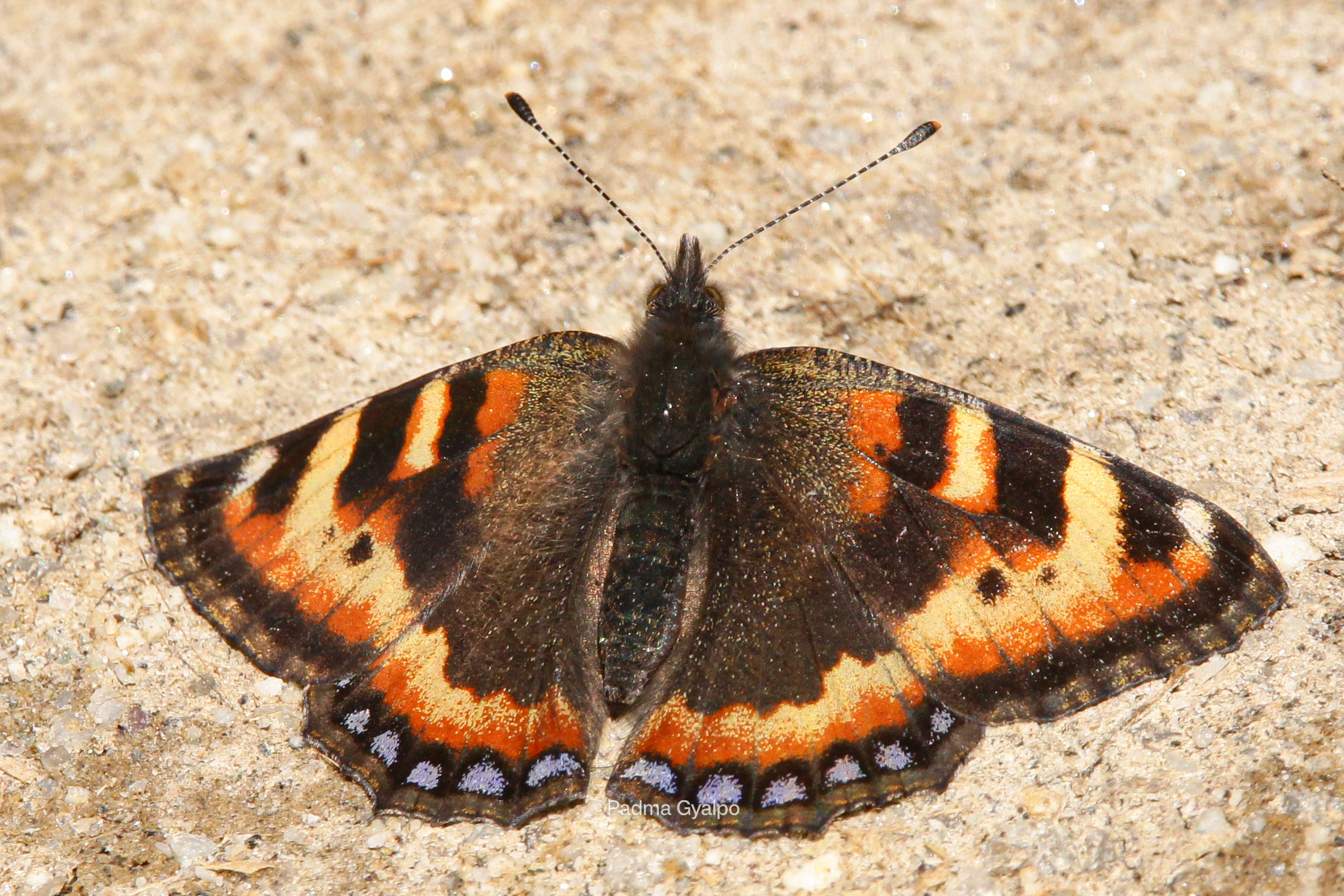
A rare and endemic butterfly in Ladakh (Padma Gyalpo)
Talking about the butterfly season, Padma said the best time to observe butterflies in Ladakh is from mid-July to mid-August. “While I usually organise bird walks, I’m now planning to conduct butterfly or nature walks to create awareness among the youth about butterflies, their role in the environment, pollination and more. We don’t have proper records of butterflies in Ladakh, which is why I believe documenting them is so important. That’s how my interest in butterflies grew. It’s also beneficial for younger researchers, this field has great potential. People can pursue proper research and even PhDs on butterflies, but for that, we need a basic foundation of knowledge. In the mountains, the presence of butterflies and bees is what makes our flowers so vibrant. They play a crucial role in maintaining the ecological balance here.”
In 2021, the Jungwa Foundation organised a nature walk where Padma met Sanjay Sondhi from Uttarakhand, who is the founder of Titli Trust and has authored a book called “Butterflies of Uttarakhand”. “He taught me a few things and my interest in butterflies grew even more. At that time, I had a camera and a pair of binoculars, so I began photographing butterflies. After that, I started doing my own research online to identify the species and learn more about them, ” Padma added.
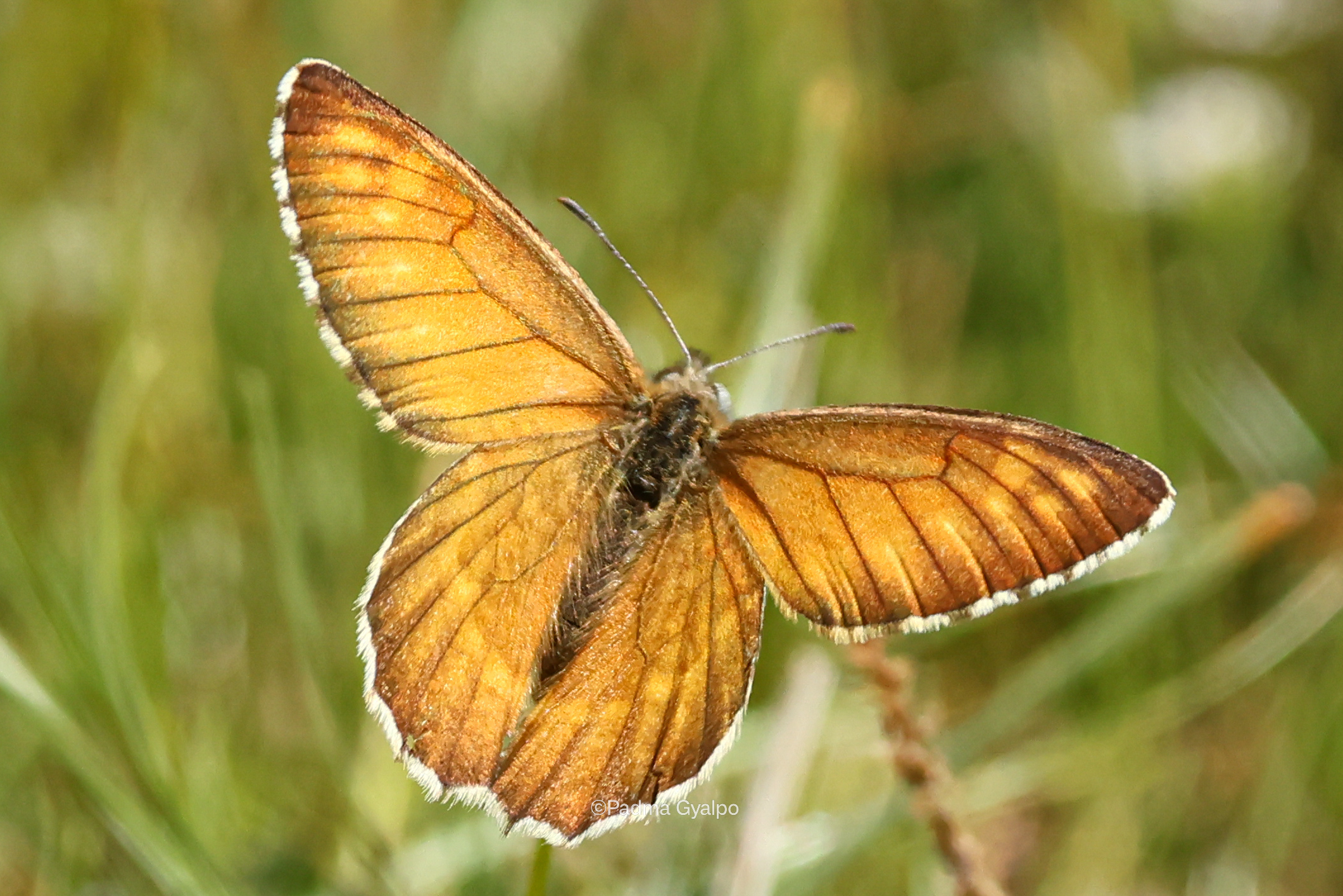
Another rare species butterfly in Ladakh (Padma Gyalpo)
Explaining the unique features of Ladakhi butterflies, Padma said that the butterflies found in Ladakh, especially the Apollo species like the Ladakh Branded Apollo and the Common Red Apollo, are specially adapted to survive in high-altitude regions such as Changthang, Khardong La, Tanglang La, and Chang La. These species are remarkable because they can fly at much higher altitudes than most other butterflies. One of their most striking features is their colour. Their bodies are mostly black, which is an adaptation to absorb more sunlight and retain warmth in the cold environment. Their wings are also wider and larger. It’s fascinating to see how they’ve evolved to survive in such extreme conditions, he said.
_______________________________________________________________________
Read Also : Sustainable Fashion, Revamp Your Wardrobe With Some Conscious Choices
________________________________________________________________________
Padma said that it is important to have proper data to draw conclusions. Continuous research over at least five years would give us a clearer picture, but right now we don’t have that kind of long-term data, which makes it difficult to say anything with certainty, he added.
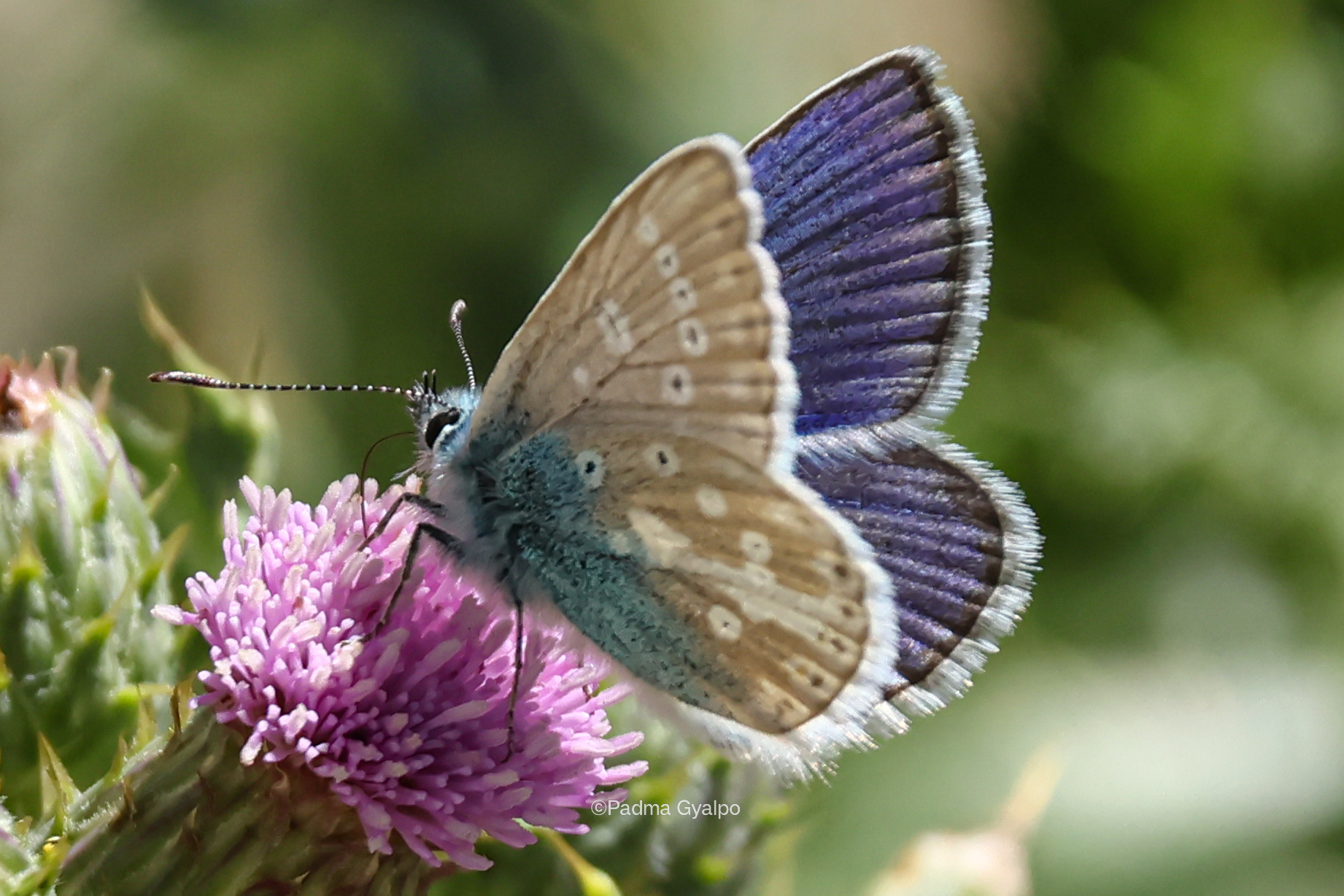
One of the butterflies photographed by Padma Gyalpo (Padma Gyalpo)
“However, based on my personal observations, I’ve noticed some early signs of spring this year. Usually, we start seeing ants, ladyflies, and a few other insects as spring begins. This year, I spotted the Small Cabbage White butterfly around mid-March, whereas in previous years, I would typically see it by the end of March or the first week of April. From this, it seems that spring or at least the warmth arrived earlier than usual,” Padma said.
“We don’t have many tourists specifically interested in butterflies. There are a few bird watchers who also enjoy photographing butterflies, but the interest in butterflies in India is still limited. Birds attract more tourists because they are colourful, larger in size and their calls are easily heard, whereas butterflies are small and you can’t hear their sounds. Additionally, butterflies are seasonal and only remain for a short period. In winter, they hibernate, which is another reason why interest in them is low. But gradually, I’m trying to promote Ladakh’s butterflies alongside our birds. While most butterflies in Ladakh don’t migrate—out of the 100 species, 99% stay here—some species, like the Danaid Eggfly, seem to be migratory. We need more research to fully understand this,” he added.
NOTE – This article was originally published in etvbharat and can be viewed here