- These bird species overwinter in home gardens
- This is how they survive the cold season
- Tips and tricks on everything to do with food and feed
Birds are true survivors in the winter months. Either they travel thousands of kilometers to find a warm place – or they fight their way through the cold in their homeland. Foraging for food is often a major difficulty. Here you can find out which ones Survival strategies the animals have appropriated and how you can help them get through the winter well.
________________________________________________________________________
Read Also : Uncultivated food: food that money can’t buy,
________________________________________________________________________
Which birds move away – and which ones stay with us?
Following a primal instinct, some bird species fly to warmer latitudes during the cold season. Among the most famous Migratory birds belong Common swift, nightingale, chiffchaff or storks. Some of them cover thousands of kilometers and fly as far as Africa.
Other kinds such as Starlings, song thrushes, red kites, lapwings, skylarks or M.blackcocks decide in mild winters more frequently for shorter distances or a “city trip” in larger human settlements. There the temperatures are usually bearable enough and the food supply is greater due to the proximity to people.
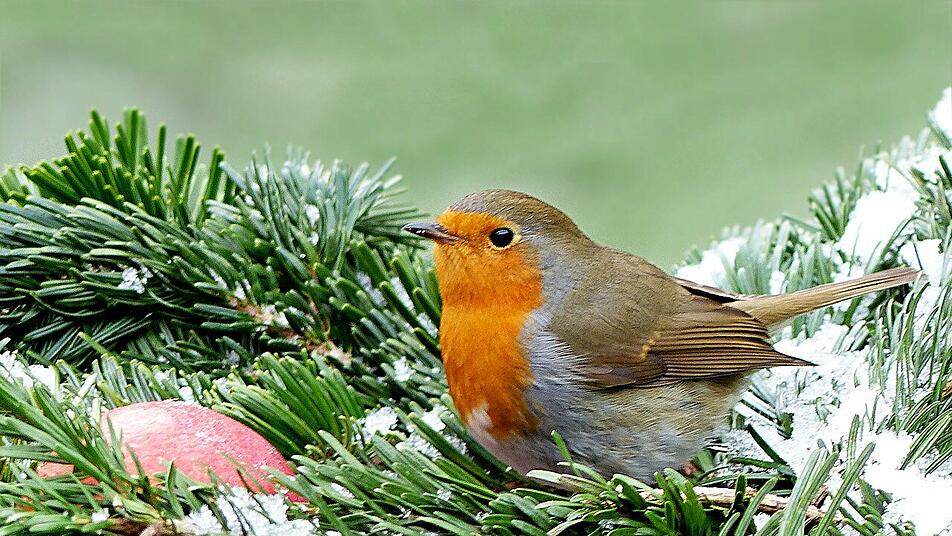
For Stand bird – In other words, species that stay in their breeding area all year round – this is not without problems, because it reduces the food supply. The resident birds include, for example Tits, robins, woodpeckers, jays, nuthatches or sparrows. Some also spend time with them Migratory birds from other countries the winter with us.
How do birds survive the cold season?
Birds that hibernate with us have adopted many clever strategies to survive the cold months:
________________________________________________________________________
Read more : ‘Everywhere we looked’: trillions of microplastics found in San Francisco bay
________________________________________________________________________
- Body’s own protective mechanisms: Hides in the body of many birds a well-designed heating system: Between the upper body and legs lies the so-called “miracle network” – a network of veins that works like a heat exchanger and prevents energy from being lost. Birds also have precise methods against cold winds: They fluff their plumage into a dense, round ball, as this posture allows the least amount of air to get between the feathers.
- Association with conspecifics: Unlike in summer, the territorial instincts are significantly lower in winter. Then some birds join together in groups. They either cuddle with each other or educate “stray squads”flocking from place to place and looking for food together. In addition to human settlements, ice-free ponds are also a popular hotspot in the cold season.
- Land flight: When survival in nature becomes difficult, some birds are drawn to the vicinity of cities. The temperatures there are usually a little warmer – and the chances of getting food are significantly higher.
- Changed eating habits: Not only the place of feeding, also the type of food changes in some bird species. Many an insect eater switch to a vegetarian diet made from grains or seeds in winter.
- Secret supplies: The Eurasian jay bears its name for a reason: When winter comes, it hides acorns in the ground, which it gradually digs up again. Such behavior can also be observed in other species; for example in marsh, fir or crested tits.
Overall, the feathered animals are quite able to adapt to the prevailing living conditions. Even so, winter is a challenge for many birds. We humans have the opportunity to take a little under their wings during this time and get to know them better in the process.
How can you support them?
Food, security, warmth – these basic needs have to be met. To make the winter easier for birds, you can, for example
- Create retreats: For example, piles of wood or leaves in the garden, in which birds can hide, are suitable. Berry-bearing shrubs such as wild rose, hardwood, sloe or hawthorn are particularly useful. These plants also bear fruit in winter and provide an additional natural source of food.
- Set up bird baths: Fresh water is often in short supply in winter – especially when ponds or puddles are icy. That is why birds are particularly happy to have a drinker after frosty nights, with which they can replenish their energy reserves and clean their plumage. A candle or a grave light prevents the water from freezing.
- Set up feeding places: You can do the feathered animals a big favor by adding a feeding place to their scarce food supply.
________________________________________________________________________
Read more : ‘Everywhere we looked’: trillions of microplastics found in San Francisco bay
________________________________________________________________________
foods At the Feed However, many questions arise: Which foods are suitable? Where do I put the food? How can I ensure security?
What should be considered when feeding?
First you should decide which feeding place (s) are suitable. Tit dumplings can be hung up quickly, but should not be made of plastic nets because birds can get tangled in them. A Bird house In addition to food, it also offers a little protection and beautifies the garden, but must be cleaned regularly. Feeding columns * are considered particularly hygienic.
Basically there is two different “diet types” in birds: Soft-eaters and grain-eaters. as Basic food for grain eaters come for example unshelled sunflower seeds or other nuts and seeds in question. Soft eaters like among other things Raisins, fruit, oatmeal or bran. You should definitely do without bread, which swells uncomfortably in bird stomachs as well as salty foods like bacon or other leftover food. It is also advisable to take a second look at products that have been purchased: Cheap feed can be spurned or contain harmful additives.
NOTE – This article was originally published in California18 and can be viewed here