The Blood Falls was discovered nearly 110 years back when Australian geologist Thomas Griffith Taylor embarked on an adventurous Antarctica tour.
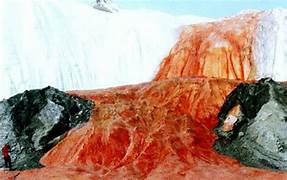
When we talk about mysterious places on Earth, Antarctica ranks higher on the list. The frozen continent is home to many fascinating natural phenomena, often leaving scientists in awe and baffled at the same time. One such wonder is the Blood Falls. The eerie red-coloured waterfall flowing from beneath the Taylor Glacier into West Lake Bonney offers a surreal view against the snow-clad landscape.
________________________________________________________________________
Read Also : Immune System and its link with Eating Healthy and Organic Food
________________________________________________________________________
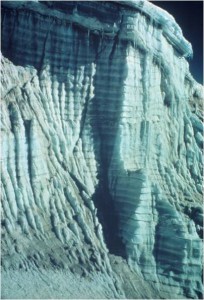
The Blood Falls was discovered nearly 110 years ago when Australian geologist Thomas Griffith Taylor embarked on an adventurous Antarctica tour. Upon reaching the remote valley in 1911, Taylor and his team spotted a crimson-stained flow coming out of an icy opening atop the hill. Both the glacier and the lake are currently bearing his name, “Taylor”.
Many researchers initially assumed that red algae content in the water might be the reason behind the blood-like flow. The truth was finally uncovered almost a century later. In 2003, a group of scientists from the University of Alaska Fairbanks and Harvard University decided to analyse the chemical composition of the red water.
Using a spectrometer, they found the presence of iron oxide in the waterfall. The inorganic compound can form when salty water trapped under the glacier is exposed to the air. An extremophile microbial ecosystem exists in the lake where salt levels are several times higher than that of seawater.
_______________________________________________________________________
Read Also : Climate Change: Causes & Effects | Everything You Need to Know
_______________________________________________________________________
The lake’s high salinity plays a vital role in keeping it unfrozen, even amid the brutal chill of Antarctica. This allows the water to stay in a constant state of liquid, quietly sheltered beneath the glacier’s icy hold. The bacteria living in the water have adapted to the cold conditions of the subglacial environment.
Despite a lack of light, oxygen and nutrients, the community has managed to survive depending on a process called chemosynthesis. Those bacteria are able to break down the sulfate and iron present in the water and obtain energy from them.
The immense pressure beneath the glacier leads iron-rich water to leak through cracks in the ice. This flow then spills into the open air, where it comes in contact with the freezing Antarctic atmosphere. As the oxygen reacts with the water, rapid oxidation occurs, which results in the striking blood-red colour.
NOTE – This article was originally published in news18 and can be viewed here