Activities such as burning firewood or open fires for cooking at construction sites are now prohibited, as they release harmful particulate matter into the air. Additionally, site operators are required to use water sprinklers regularly to control dust.
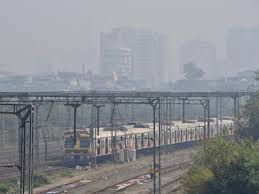
Mumbai, regarded as India’s financial capital, has been facing deteriorating air quality in the recent months due to changing weather patterns and increasing urbanisation. The Brihanmumbai Municipal Corporation (BMC), responsible for maintaining the city’s environmental health, has stepped up its efforts to control air pollution by introducing stricter guidelines and a comprehensive action plan. The focus is on minimising pollution from construction activities and road dust, which are major contributors to the city’s pollution levels.
Municipal Commissioner and Administrator Bhushan Gagrani, along with Additional Municipal Commissioner (City) Dr Ashwini Joshi, are leading these efforts to ensure that the measures are effectively implemented. Recognising the impact of construction activities on air quality, the BMC has imposed stringent regulations on construction sites. Activities such as burning firewood or open fires for cooking at construction sites are now prohibited, as they release harmful particulate matter into the air. Additionally, site operators are required to use water sprinklers regularly to control dust and ensure proper disposal of construction waste.
________________________________________________________________________
Read Also : How to do Pranayam: Yoga Breathing Exercises You Must Include in Your Routine
________________________________________________________________________
To address the issue of road dust, the BMC’s Solid Waste Management (SWM) department has been directed to take immediate action. The department is deploying advanced machinery for cleaning major and minor roads and ensuring regular water sprinkling on busy streets to suppress dust particles. Roads near construction sites are also being monitored closely to ensure compliance with dust control measures.
Construction materials stored in open spaces are another source of pollution. The BMC has made it mandatory for such materials to be covered or subjected to regular water sprinkling to prevent dust from spreading. Unauthorised dumping of debris has been identified as a persistent issue, and the civic body is strengthening its ‘Debris on Call’ service to ensure timely collection and scientific disposal of construction waste. Strict penalties will be imposed on those transporting debris without valid permits or failing to cover their vehicles, as these activities contribute significantly to air pollution.
Public awareness is a critical aspect of the BMC’s strategy. Efforts are being made to educate builders, contractors, and residents about the importance of scientific waste disposal and the environmental hazards caused by open burning. The civic body has also deployed its nuisance detection squad and cleanup marshals to patrol various areas and enforce the new rules. These teams are empowered to take immediate action against violations, including issuing fines for garbage burning or improper waste management.
________________________________________________________________________
Read Also : The young ancient secret of BIOCHAR,
________________________________________________________________________
In addition to these measures, the BMC is focusing on maintaining cleanliness across the city. Major roads are being cleaned using high-tech equipment, while minor roads are being attended to manually to ensure no dust or debris accumulates. Water sprinkling on high-traffic roads is being carried out regularly to further minimise dust. The BMC’s comprehensive approach aims to make a significant impact on Mumbai’s air quality. By targeting key sources of pollution and involving the community, the civic body is taking concrete steps towards creating a cleaner and healthier environment. Residents have been urged to cooperate by following the rules and reporting violations to help sustain these efforts.
These measures mark a crucial step in the fight against urban air pollution, with the BMC setting an example for other metropolitan cities to emulate. If implemented effectively, this action plan could bring noticeable improvements to Mumbai’s air quality, benefiting its citizens and enhancing the city’s overall liveability.
NOTE – This article was originally published in news18 and can be viewed here