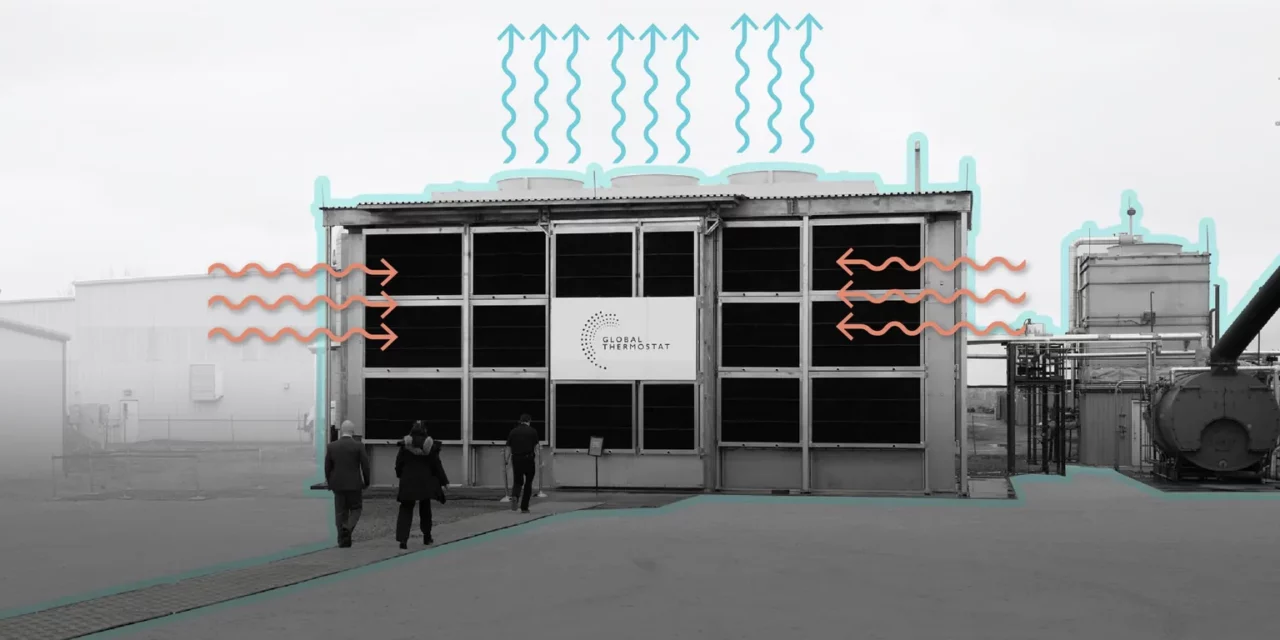
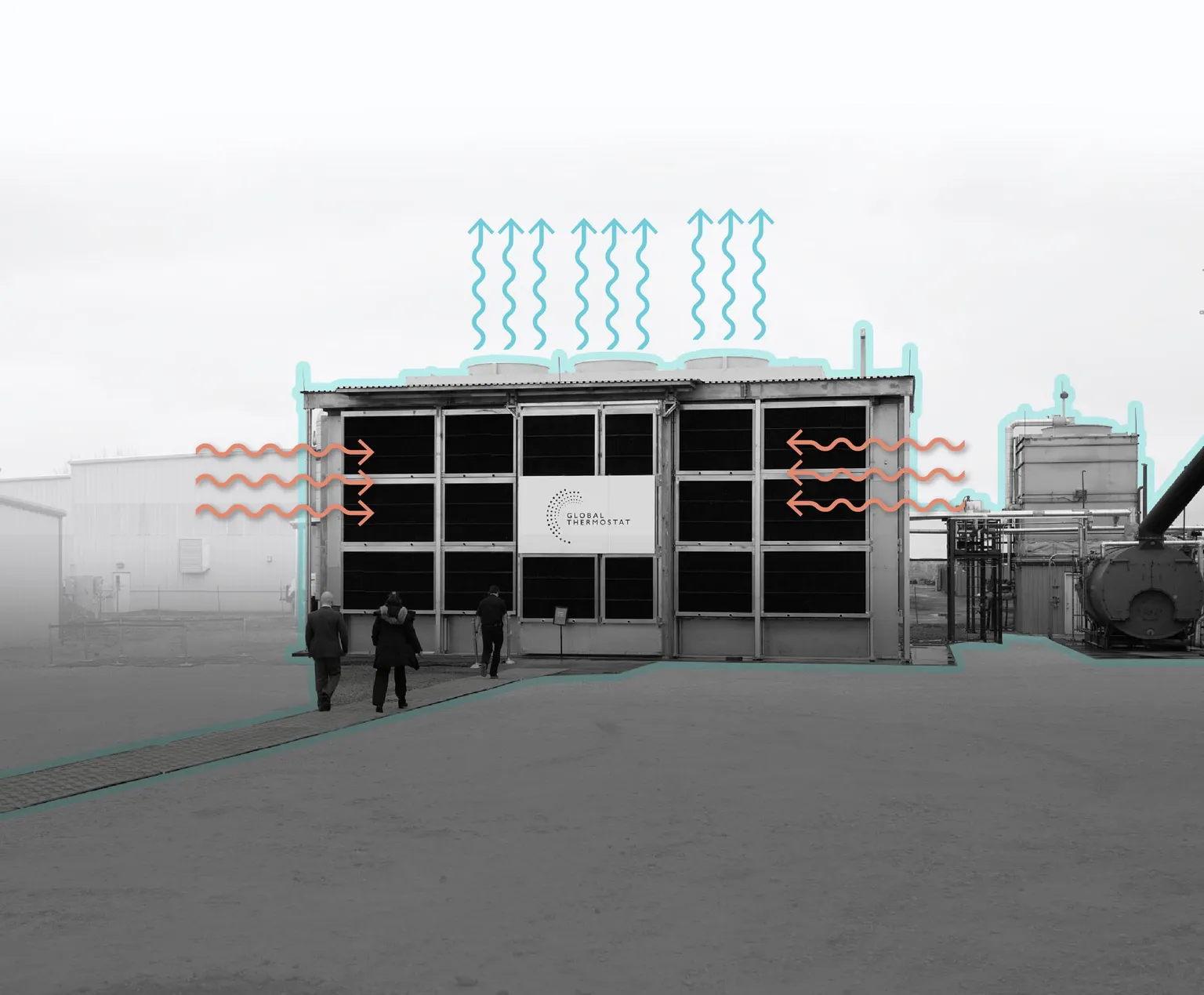
Carbon capture systems work by filtering outside air through a special matrix that absorbs and concentrates the CO2. Here’s how the filters work.
The Earth’s atmosphere has hit a record-high level of heat-trapping carbon dioxide as our modern society burns fossil fuels like coal and oil, with 90% of the increase coming since the 1970s.
________________________________________________________________________
Read Also : Increasing corporate disclosure about climate change
________________________________________________________________________
That carbon dioxide, or CO2, acts as a blanket in the atmosphere, keeping the heat in, causing the planet to warm, and some experts say we have reached a tipping point where no matter how much we cut back on emissions, the planet will keep warming to dangerous levels.
Now, the Biden administration is spending heavily on a long-desired technology to essentially vacuum up excess CO2 from the air. The Inflation Reduction Act of 2022 provides billions of dollars to companies that perform carbon capture, sometimes called carbon sequestration.
Carbon capture systems work by filtering outside air through a special matrix that absorbs and concentrates the CO2 and then stores it back undergroundwhere it originally came from.
How carbon capture removes CO2 from the air:
The air is drawn into a CO2 collector via a fan. The CO2 is captured on the surface of a highly selective filter material that sits inside the collector.
________________________________________________________________________
Read Also : World’s “Most Important” Organisms Are On The Move. Reason: Climate Change
________________________________________________________________________
Once the filter material is full of CO2, the collector closes and is heated to 212 degrees fahrenheit.
The captured CO2 is then mixed with water and pumped underground.
When underground the CO2 will mineralize and can be stored permanently.
In addition to being stored in rock formations where it doesn’t affect the atmosphere, the captured CO2 can be injected into oil and gas fields to extend their life. This configuration would require a system of pipelines because most CO2 today is captured from power plants but injection sites may not be nearby. Carbon can also be stored and used to make sustainable fuels.
Carbon capture requires energy to run, and backers say using solar or wind to power the collectors would make them carbon-negative.
About the filters
The filter media is extruded ceramic. It is coated with a material that absorbs CO2 from the ambient air.
Where can carbon capture systems be built?
Carbon capture systems could be built anywhere there’s electricity because they capture and treat ambient air.
________________________________________________________________________
Read Also : What Should the SEC Require in Climate Change Disclosures?
________________________________________________________________________
A new “Global Thermostat” plant near Denver can capture about 1,000 tons of CO2 a year, or the equivalent emissions of 217 passenger cars. The plant is a pilot project demonstrating that the technology can work on a large scale, but experts say far more and bigger plants are necessary to make a real difference.
Because the plant operates on a small scale compared to the planet, the amount of carbon removed is negligible. Experts say large numbers of similar facilities would need to be built globally in order to capture enough carbon to make a difference on a planetary scale.
Experts caution that such carbon capture efforts are by no means a “get out jail free” card and that rapidly shifting to a zero carbon energy system is still critically important. But such systems could keep overall CO2 levels from peaking even higher than predicted and potentially aid in avoiding the absolute worst-case scenarios. Time, they say, is of the essence and every little bit helps.
NOTE – This article was originally published in usatoday and can be viewed here
Tags: #carbon, #carbonnegative, #climate, #climatechaange, #climatecrisis, #climaterisk, #CO2, #earth, #environment, #getgreengetgrowing, #globalwarming, #gngagritech, #greenstories