


http://www.takepart.com/article/2016/04/13/produce-rainbow
Cauliflower is both versatile in the kitchen and high in nutrients that promote excellent health. Some of the health advantages include relief from indigestion, immune system strengthening, and a lower risk of stroke, cancer, and neurological disorders. It also helps to maintain cellular, bone, and brain health. Cauliflower is an excellent Winter comfort meal due to its high Vitamin C concentration and low-fat content.
Cauliflower’s culinary reputation has in recent years been utilized for “rice,” served as “steaks” or centre stage in a roasting industry. It is easy to add to your diet – eat raw, puree, mashed, rind or roasted. It’s a simple vegetable. Don’t throw out the stem — it’s as nutritious as it is.
Contents
HEALTH BENEFITS OF CAULIFLOWER. 3
CAULIFLOWER AS SOME EASY SUBSTITUES.. 5
_______________________________________________________________________
Read Also : Little-grown broccoli, cauliflower put good cash in farmer’s wallet
________________________________________________________________________
INTRODUCTION
Cauliflower is usually believed to be originating in the broad region of the Mediterranean, notably in the northeast of the region in Turkey today. Its origin goes back quite two thousand years.. Interestingly, the cauliflower species have not always been chosen to have a big, compact head (or “curd”) and the cauliflowers are still not concentrated on those species in many parts of the globe. For instance; in certain regions of China, “loose curd” cauliflower is commonly used.
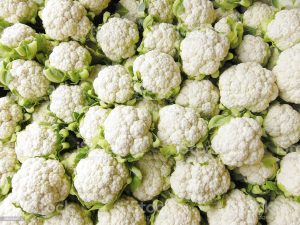
Bin of Cauliflower Heads.
https://www.istockphoto.com/photo/bin-of-cauliflower-heads-gm182240577-11090972
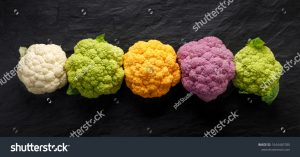
A crossbreed plant, cauliflower consists of a profusion of small, densely packed heads of the flowers (known as curds). The blooms are springing from a sturdy central stalk to form a spherical head. Most of these cauliflowers are white, but the typical romanesque cauliflower, with its peak flowers, is able to buy a green and purple variety.
Cauliflowers may be prepared in a number of ways, be it raw or cooked, with a little preparation it can be consumed in more ways than one.
First of all, you may eat it raw, which takes no preparation. As a snack in hummus or similar nutritious plant like this, you can taste the raw cauliflower flowers.
To produce a low carb rice alternative, they can be steamed, roasted, fried, pureed, or shredded. Why not try this delicious Cauliflower Curry dish that is sure to warm your Winter nights!
Needless to say, in most grocery stores it is rather inexpensive and available extensively.
From pizza to hot cereal, and rice is also replaced in cerealless bowls, fritters, sushi, and more. Some may wonder about the status of this white product, yet from a nutritional standpoint it makes sense
_______________________________________________________________________
Read Also : What is Aquaponics and How Does it Work?
________________________________________________________________________
HEALTH BENEFITS OF CAULIFLOWER
It is a wonderful nutritional source, some of which are needed by many individuals.
https://www.shutterstock.com/image-photo/fresh-colorful-cauliflowers-on-dark-background-1644460780
Rich in necessary vitamins and minerals
Cauliflower has a fairly excellent nutritional profile. The calories of Cauliflower are relatively low yet the vitamins are considerable. Cauliflower really includes virtually every mineral and vitamin you need
Antioxidants in Cauliflower
Among the foremost important ones are Beta-carotene, beta-cryptoxanthin, caffeic acid, cinnamic acid, ferulic acid, quercetin, rutin and kaempferol. Vitamin C would be a strong addition to this list since cauliflower represents 10th best source of vitamin C. Cauliflower is also a very rich source for mangar – a mineral antioxidant especially necessary for metabolism linked to oxygen – like most of its other cruciferous veggies.
_______________________________________________________________________
Read Also : Is Organic Food Worth the Cost?
________________________________________________________________________
Anti-inflammatory properties
Cauliflower bioactive chemicals are known to decrease inflammation. The veg also has a wealth of antioxidants, including kinds that combat oxidative damage. Oxidative stress is present in the ability of the body to counters its negative consequences, including preterm ageing and the risk of diseases when there is an imbalance between the creation of cell-damaging free radicals.
Supports healthy weight loss
Cauliflower’s fibres, which helps to control blood sugar and insulin levels, aids weight management through increased completeness, retarding hunger returns. A cup of raw water also offers about 3.5 ounces of water to induce satiety. And eating cauliflower can take calories and carbohydrates seriously without sacrificing the bulk of white rice.
A piece of a third cup of cauliflower includes around 25 calories and 1 gramme of net carbs that is 3 grammes total with 2 grammes as fiber. Approximately 150 calories and 30 grammes of Carb is provided with the cooked white rice.
A healthy alternative for replacing grains
Cauliflower is very flexible and may be used to substitute for your diet for grains and legumes.
This is not only a fabulous technique of increasing the consumption of veggies, but is particularly useful for people who have a low-carb diet.
Cauliflower is considerably less in carbohydrates than grains and legumes.
HOW TO GROW CAULIFLOWER
- Start by preparing the soil for the plant. Prepare the soil bed by mixing aged manure and/or compost into the bed and make sure the soil is rich in organic matter.
- Cauliflower from tiny nursery plants is best started against seed seeds.
However if you seed, start 4-5 weeks before spring freeze. Seed up to a half of an inch in rows of 3-6 inches apart. During germination and development water regularly.
- Transplant seedlings (or tiny plants in nurseries) no sooner and not much later, two to four weeks before the final frost-day spring.
- Set seedlings between 18 and 24″ with 30″ between the rows.
- Be prepared to protect plants from frost in the beginning of spring, as required by covering them with old milk jugs. Extreme cold can stop buttons forming or growing.
- Plant a fall seedling 6-8 weeks before the first autumn freezing date, but routinely below 75°F after daylight. Shade heat plants, if required.
- Add mulch to protect the moisture inside the soil.
_______________________________________________________________________
Read Also : 18 Food Swaps For Weight Loss – Switch To A Sustainable Life
________________________________________________________________________
CAULIFLOWER AS SOME EASY SUBSTITUES
Cauliflower Rice
Grated cauliflower can be used in the place of brown/white rice. They’re healthier and keeps one filled for longer.
Cauliflower tortillas
Grated cauliflower along with egg or sautéed vegetables in case of vegetarians, can be used in wraps, taco shells or as low-carb tortillas.
Cauliflower Mash
Boil a cauliflower for 10-15 minutes in water instead of potato, and enjoy your potato-y cauliflower mash with lemon juice sprinkled on top of it.
Take care of all the above mentioned tips and tricks and follow the method holistically to get amazing results and do give the dishes a try!
Submitted by Rashmi Ahlawat
Tags: #broccoli, #cauliflower, #delicious, #dinner, #food, #foodie, #foodphotography, #foodporn, #foodstagram, #getgreengetgrowing, #gngagritech, #greenstories, #healthyfood, #healthylifestyle, #homemade, #instafood, #keto, #plantbased, #vegan, #vegetables, #vegetarian, #yummy




