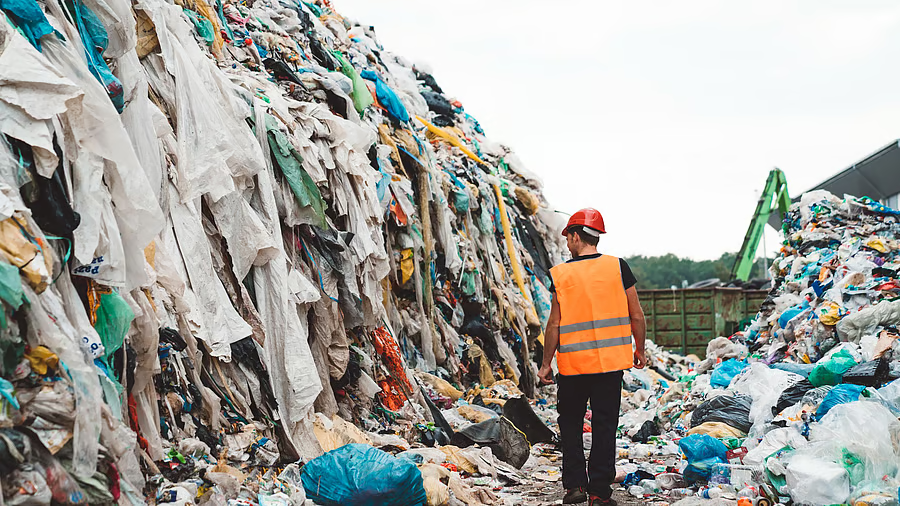
It’s the most wonderful time of the year, but the stats speak for themselves. Holiday celebrations and gift-giving resulted in up to $400 million in waste last year and this year, with a plethora of packages being sent during trying circumstances, the figure is likely to rise.( Christmas)
“Buy Organic Products Online at best prices at http://www.getgreen.co.in “.
Here are some ways to approach the season differently.

Wrap it up
Sometimes, it just starts with reframing. If you’re the crafty type, consider turning your paper grocery bags into wrapping paper, by stamping them or decorating with hand-drawn art. If you use paper or biodegradable tape to seal the gifts, even better: the whole thing can be reused or recycled in the yellow bin.
If you’re keen to avoid wrapping paper altogether, consider the Japanese craft of furoshiki: gift-wrapping with fabric. Yoshie Kumagai, a furoshiki expert and gift-wrapping specialist, says the experience can look complicated but is not difficult.
“You can use any square shape of fabric; you don’t need any special tool,” says Ms Kumagai. “There are no rules for gift-wrapping with fabric.”
The practice ties into the Japanese word “mottainai”, she says, which means “what a waste!” but “also embraces the concept of not wasting resources but instead using them with respect and gratitude”.
Ms Kumagai recently put together a video for wrapping with a tea towel, and also runs online lessons.
Read Also : Half a million sharks may be killed to make Covid-19 vaccine, say experts
Shop smarter – for the earth
Secondhand over the holiday season (and whenever possible) is never a bad idea. Op shops, Gumtree or FreeCycle are all top-notch spots to find bargains. Buying local also helps reduce freight and logistical impacts on the environment, supports small businesses, and can mean avoiding packaging altogether.
If you’re shopping firsthand, consider interrogating the environmental practices of the businesses you’re supporting. Do they have a benchmark for when they intend to stop using single-use plastics or a public goal for the composition of their packaging? Ask questions: you might be surprised to learn what your favourite brands are (or are not) doing.
 The 2020 Salvos Stores Christmas report indicates that there is $669 million in present wastage each year. If you don’t want to buy material objects at all, consider an experience. Local council websites have event calendars from which you can book events in your area.Small businesses, particularly craft- or hobby-based businesses, sometimes host events too: check out what’s on at your local pottery studio, music hall or cooking school. If you don’t quite know what experience you’re looking for yet, Eventbrite or RedBalloon make it easy to explore your options.

Make, make, make!
What better way to be environmentally friendly – and creative – than to make your own gifts. Personal and purposeful. Boutique candles in discarded tea cups, jars of bath salts interspersed with local flowers, bouquets of herbs you’ve grown in the months leading up to December 25, or dried fruits and no-bake cookie mixes in upcycled glass jars: the options are endless. Stuck for ideas? YouTube or Craft Bento are great places to start.
Sometimes, homemade gifts are the presents we – makers and receivers – remember most, says Bea Bellingham from Clay Sydney.