https://www.istockphoto.com/search/2/image?phrase=climate+change
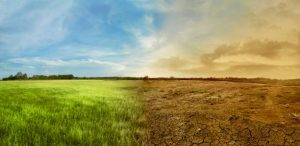
2020 is on track to be the warmest year on record, with unprecedented extreme weather and climate-related calamities ranging from fires to floods to storms. While global leadership on climate change will necessitate multi-faceted policy solutions, there is widespread agreement that extreme weather and disruption caused by drought, flooding, and natural resource dispute unfairly penalize the developing world, particularly the poor and most vulnerable, such as women and children. With disasters like Hurricane Dorian wreaking havoc on the poor world, these disruptions jeopardise America’s long-term security and economic interests, causing mass displacement and jeopardising efforts on averting war, combatting hunger, and combating global poverty.
________________________________________________________________________
Read Also : 8 Nutrients and 16 Foods to Boost Your Mood — What to Eat to…
________________________________________________________________________
The COVID-19 pandemic’s effects are anticipated to increase climate-related concerns and complicate attempts to solve them. Climate-related disasters threaten to overload local health systems at a time when they are already under strain, and the costs of damage and recovery from a natural disaster combined with a pandemic are expected to be up to 20% greater than normal.
Addressing these significant consequences of climate change will need wise, strategic investments in global development to assist at-risk nations build resilience to extreme weather and prepare for the future, in order to advance US interests and values.
How Climate Change Affects the Developing World Disproportionately
Climate change is already causing increasing volatility in weak and rising countries and marketplaces across the developing world:
https://wallpapercave.com/climate-wallpapers
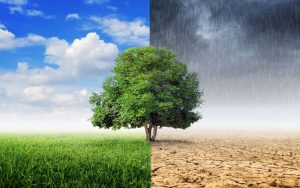
Environmental degradation is a primary cause of fragility, according to the State Department’s Global Fragility Strategy, and the Pentagon has classified the consequences of climate change as “danger multipliers” and war triggers. For example, security analysts believe that as a result of desertification in Northwest Africa, Al Qaeda has seized opportunities for recruiting and influence. Extreme weather has aided in the spread of violence and terrorism in fragile regimes, resulting in the eviction of 80 million people, the biggest number in human history. According to the World Bank, conflict over food and water instability, as well as climate-related natural disasters, might push more than 143 million people from their homes by 2050. By 2070, over 20% of the planet’s surface may be too hot to be livable.
________________________________________________________________________
Read Also : 10 Foods That May Weaken Your Immune System
________________________________________________________________________
Food and Water Security:
Climate shocks and severe conditions affect 76 percent of the 124 million people who experience “crisis levels” of acute food insecurity globally, according to the Food and Agriculture Organization, while more than half of the inhabitants in developing nations live in rural areas reliant on agriculture.– a sector highly vulnerable to environmental conditions. Climate change raises agricultural production costs and threatens biodiversity, with one million species in risk of extinction, affecting crop growth, fisheries, and cattle.
Rising Temperature
Warmer temperatures might put up to one billion people at risk of severe viral illnesses including Zika, dengue fever, and chikungunya. From 2004 to 2016, illness cases caused by mosquitoes, ticks, and fleas in the United States more than quadrupled, from little under 30,000 to over 100,000 per year. According to the World Health Organization, a warmer environment might result in an additional 250,000 people dying each year from illnesses like malaria between 2030 and 2050. COVID-19 and climate change are thought to have harmed more than 50 million people throughout the world, according to the Red Cross.
Economic Development:
According to the World Bank, the consequences of climate change might force another 100 million people into poverty by 2030. Furthermore, harsh weather results in $520 billion in annual consumption losses and drives 26 million people into poverty. Furthermore, key commercial ports in emerging nations, such as Rio de Janeiro, Mumbai, Guangzhou, and Dar es Salaam, are endangered by rising sea levels, and by 2050, at least 300 million people would live in coastal regions at risk of disastrous floods.
Partnerships between the public and private sectors Addressing Climate Change Is Crucial
The corporate sector, foundations, multilateral institutions, and international non-governmental organisations are all working to mitigate the consequences of climate change in developing countries. They are collaborating with local, regional, and national governments, as well as institutions like as the United Nations and the World Bank, to construct resilient communities and encourage sustainable economic growth. Here are several examples:
_______________________________________________________________________
Read Also : New species of African violets found in Mizoram
________________________________________________________________________
The Green Climate Fund was created in 2010 as a cooperation of over 190 nations with the goal of assisting poor countries in responding to climate change by catalysing private funding via public investment. Since its inception in 2014, the Fund has raised over $10 billion and allocated funds to initiatives focused on both mitigation and adaptation. The Fund has helped an estimated 350 million people throughout the world build resilience by cooperating with a number of international organisations, NGOs, and private sector firms.
Climate change is a “serious threat to our environment, cultures, and economy, affecting our well-being and prosperity,” according to a statement made in 2018 by more than 50 global business executives representing firms with sales of more than $1.3 trillion in 2017.
Hundreds of non-governmental organisations are working together in public-private partnerships to fight climate change’s disproportionate impact on the world’s poorest people. CARE, for example, has emphasised the impact of climate change on smallholder farmers – over half of whom are women – and fought to alter laws that limit women’s ownership of land and property, which can prevent them from feeding their families in the face of increasingly regular droughts.
Tags: #cliamte, #climatechanges, #climatecrisis, #Covid19, #development, #envorinment, #flooding, #getgreengetgrowing, #globalwarming, #gngagritech, #greenstories, #nature, #weather