Protein provides our body with the essential amino acids that are vital for proper functioning and cell growth. However, there is a difference between protein from protein supplements v/s natural sources.
One of the key ingredients to become healthier is to consume an adequate amount of protein daily. As much as exercising is essential, having the right protein intake is equally vital. Protein is an important macronutrient that is required for proper cell growth and body functioning. It is made up of amino acids that go through the process of breaking down in the body and fuel the muscles to build them stronger. Let us know a little about protein supplements and natural protein sources.
Health Shots contacted certified nutrition coach Tanisha Bawa, to understand the what the difference between protein supplements and natural sources of protein.
________________________________________________________________________
Read Also: Best Fertilizer for Peace Lily – Homemade Fertilizers
________________________________________________________________________
How much daily protein intake is required for the body?
One should always know that the daily protein requirement varies from person to person and depends on factors such as gender, weight, age and the level of workout. For adults, the daily protein intake ranges between 46-63 grams, while for pregnant and lactating women, it is around 65 grams.

Protein intake from natural sources
“Protein is made up of amino acids. There are 20 amino acids. However, the body is unable to produce eight of them. Therefore, those amino acids have to be acquired from external sources. These are called essential amino acids,” says Bawa. Natural protein is of two types:
________________________________________________________________________
Read Also: How Long Does it Take to Make Compost
________________________________________________________________________
1. Animal protein
“This contains all the 8 essential amino acids. Grass-fed meats, pasture-raised eggs, and wild-caught fish, all facilitate better hormone function,” shares the expert.
2. Plant-based protein
As per the expert, this can be broadly divided into two categories.
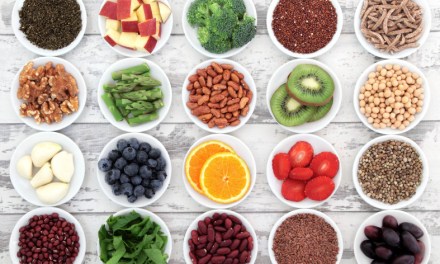
* Certain foods such as spirulina, hemp, soy, quinoa, lentils, buckwheat, and amaranth contain all 8 amino acids and are called a complete protein.
* Incomplete proteins need to be combined with other plant proteins to acquire all the essential amino acids. Examples of this type of protein are brown rice, peas, beans, chickpeas and tahini. While these do not have to be consumed in the same meal, they must be consumed on the same day.
There are some cons to plant protein as they comprise more carbohydrates and antinutrients which can inhibit nutrient absorption and cause side effects. Examples of such ingredients include phytate/phytic acid, oxalate/oxalic acid, goitrogens, lectins, soy, etc.
________________________________________________________________________
Read Also: Carbon capture train concept could clean air as it zooms along the tracks
________________________________________________________________________
Protein intake from protein powders or supplements
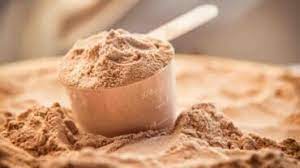
Protein is also available in the form of powders or bars that give your body that instant boost of protein. They are in refined form just like other vitamin supplements.

As per the expert, “Non-vegetarians can skip out on taking protein supplements as they can obtain an adequate amount from meats. However, in the case of vegans or vegetarians, they often look for protein supplements as the natural sources of protein individually are not enough. Thus, protein powders of whey, brown rice, pea, etc are widely consumed”.
Brown rice protein powder has high arsenic content which is not very safe for our bodies. Whey protein contains soy lectins which lead to gut inflammation and hence, is not recommended. The best and safest protein powder is green pea protein powder. It is a clean protein supplement.
A word of caution here: Please do not consume supplements without consulting a medical expert or nutritionist.
NOTE – This article was originally published in healthshots and can be viewed here
Tags: #Age, #Animalprotein, #egg, #fish, #fitness, #food, #Gender, #getgreengetgrowing, #gngagritech, #greenstories, #health, #hemp, #meats, #naturalsources, #protein, #ProteinPowder, #quinoa, #soy, #supplements, #vitamins, #weight