It is surprising and utterly confusing to know that yogurt and curd, one of the most popular dairy products, are not similar. So, what’s the difference between yogurt and curd? Let’s find out!
Yogurt and curd are both dairy products that are vastly different from each other. Surprising, isn’t it?
Although they look similar and taste the same, almost, the two differ in many aspects, including how they are prepared.
And no, Yogurt is not the western name for curd!
You might be thinking, how exactly are they different from each other?
To understand the difference between yogurt and curd, we have to start from the basics, i.e., how they are prepared.
Differences between Yogurt and Curd
Here are some of the prominent differences between yogurt and curd:
Method of Preparation
The first major difference between yogurt and curd is the way they are prepared.
________________________________________________________________________
Read Also: 30 Ocean Pollution Facts, Stats, and Solutions
________________________________________________________________________
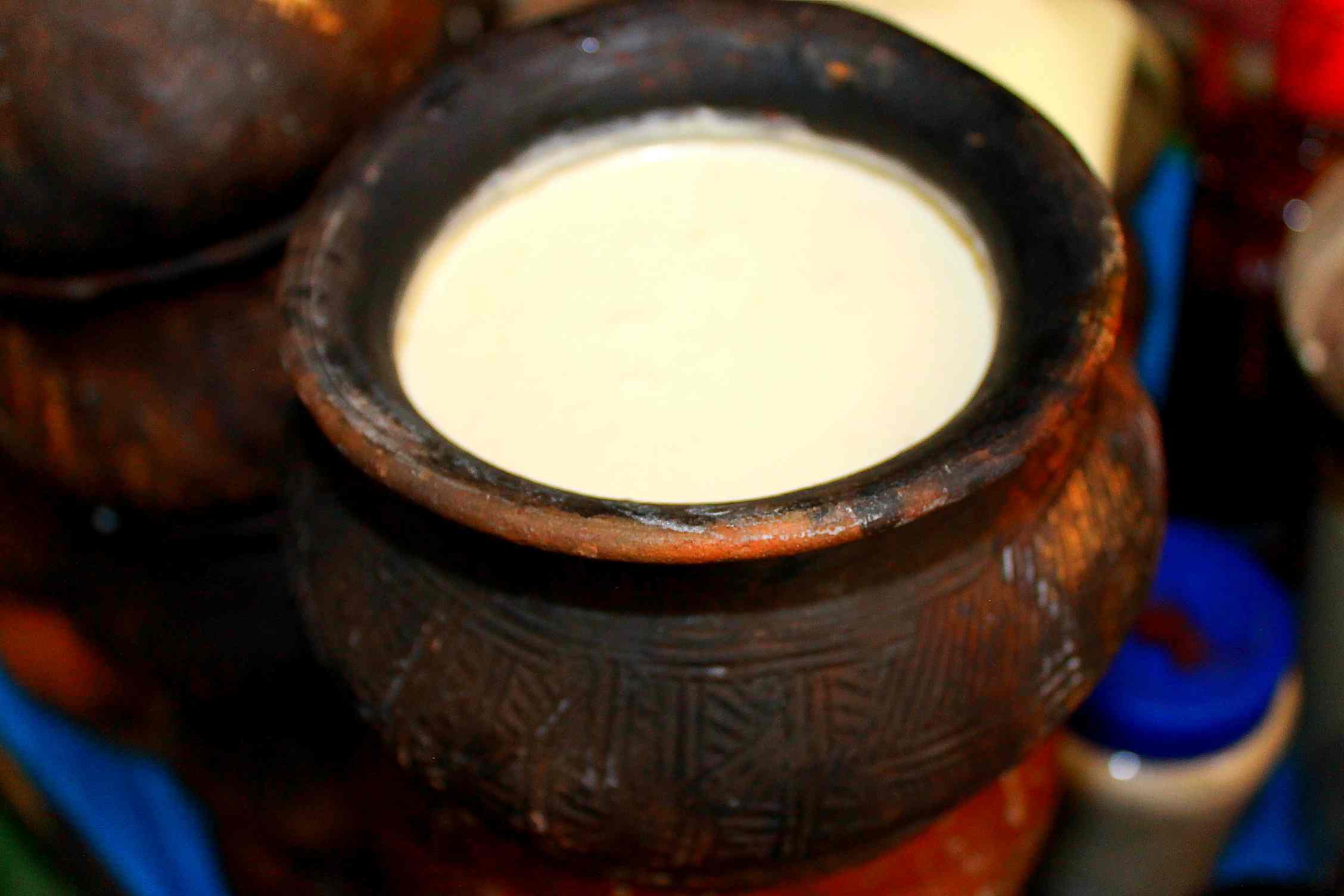
Curd is made by coagulating milk with edible acids like lemon juice and vinegar in a process known as curdling.
The acetic acid present in edible acids like vinegar reacts with the acid already present in milk. This increase in acidity results in the formation of solid blocks of milk.
Curd, which is popularly known as dahi in India is made by fermenting milk with the help of Lactic Acid bacteria. This bacteria reacts with casein, a globular protein found in milk. The bacteria then produces energy during the reaction. Lactic acid is produced as a byproduct of the energy formation. This lactic acid then reacts with the globular proteins present in milk, denatures them, and results in the formation of a thick texture i.e., curd.
Yogurt, on the other hand, is made by fermenting milk using live strains of two bacteria: Lactobacillus bulgaricus and Streptococcus thermophilus and is practically impossible to make at home. The bacteria reacts with the sugar present in milk. The reaction produces lactic acid which then reacts with the protein in the milk and forms yogurt.
The type of milk used will affect the yogurt produced.
Yogurt is typically produced for commercial purposes and is artificially sweetened and made available in a variety of flavors.
The chemical reaction involved in the formation of Lactic acid is as follows:
| C12H22O11 (Lactose) + H2O (Water) -> 4CH3CHOHCOOH (Lactic Acid) |
Amount of Lactose
Curd contains more lactose than yogurt but significantly less when compared to fresh milk.
Because of this, those who are lactose intolerant prefer yogurt, particularly Greek yogurt, over curd.
Also Read | What Is The Difference Between Heart Attack And Cardiac Arrest?
Nutritional Value
Curd is rich in calcium, iron, potassium, and vitamin B6 while yogurt is a wonderful source of calcium, phosphorus, and vitamin B12.
________________________________________________________________________
Read Also: This Cost-effective Alternative to Crop Burning is Eco-friendly Also and May Help Control Air…
________________________________________________________________________
Yogurt lowers the risk of high blood pressure and cholesterol while curd stimulates the brain and promotes digestion.
Flavors
Curd is traditionally consumed simply without any flavors. In Indian households, it is taken with either sugar or jaggery. It is white and has a sour or acidic flavor, which is used in a variety of recipes, celebrate occasions, and is consumed as a component of Indian cuisine.
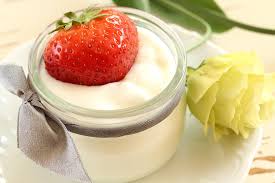
Yogurt, on the other hand, comes in a wide variety of flavors. Yogurt flavors typically include strawberry, mango, and blueberry, among many others. Yogurt has a less sour/acidic taste than curd.
Yogurt vs Curd- Which is better?
Yogurt and curd are good for health and have nutritional values.
- Yogurt is a great source of protein, potassium, molybdenum, pantothenic acid, or Vitamin B5. Because it is protein-rich, yogurt is beneficial for weight loss. It is the preference of people with high blood pressure due to its potassium content. Yogurt also contains probiotics, which help in maintaining healthy gut health.
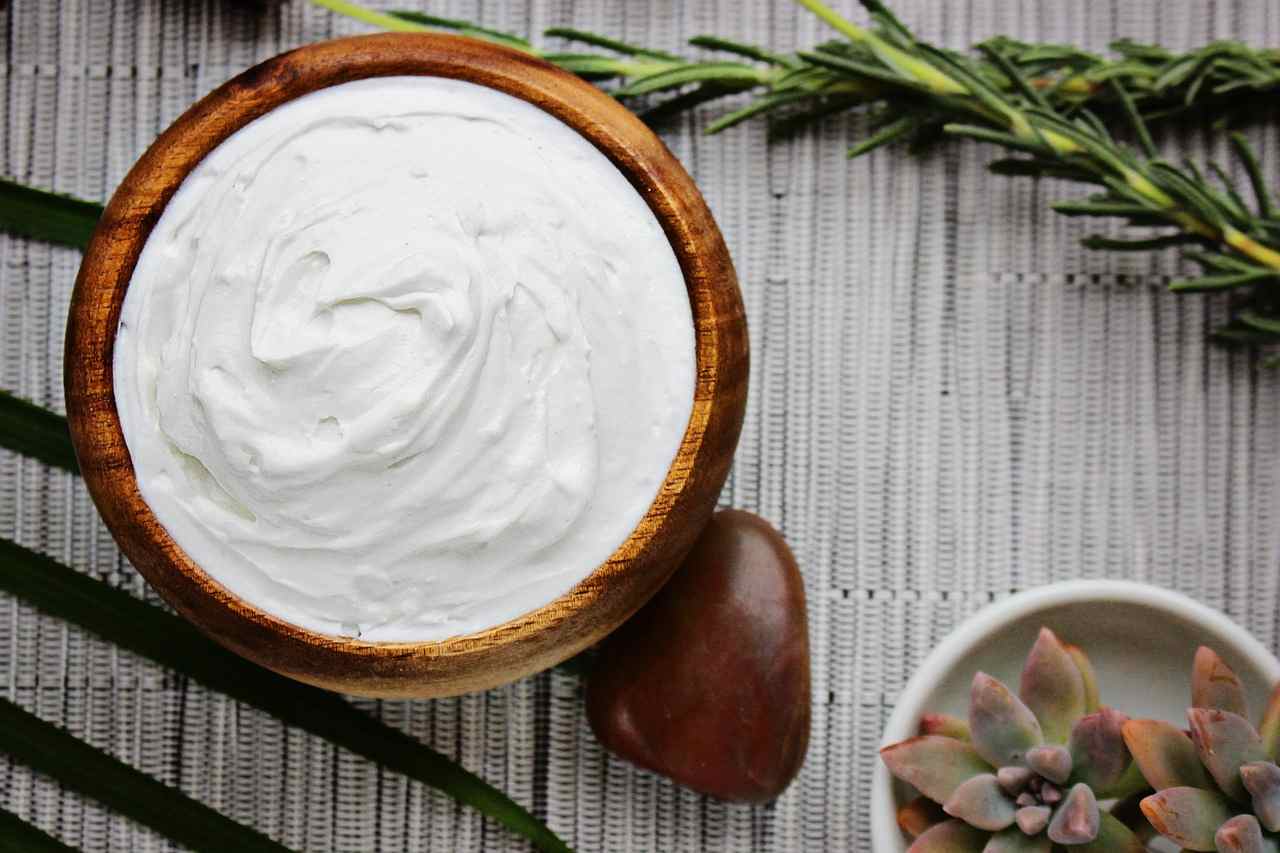
- Curd is a great choice for people with indigestion issues as it helps in better digestion. The digestive system can easily absorb the nutrients in curd. The good bacteria present in curd help in maintaining a strong and healthy immune system. It is a strong source of calcium and phosphorus, which is good for overall bone health. Curd also has beauty benefits as it is beneficial for skin and hair.
Both dairy products, yogurt, and curd are delicious and good sources of protein, calcium, vitamin D, and probiotics.
________________________________________________________________________
Read Also: NASA images reveal massive DROP in pollution in China following coronavirus outbreak
______________________________________________________________________
Differences between Yogurt and Curd: At a glance
| Differences | Curd | Yogurt |
| Preparation | Fermentation of milk using Lactic Acid Bacteria. | Fermentation of milk using live strains of two bacteria, named Lactobacillus bulgaricus and Streptococcus thermophilus. |
| Amount of Lactose | Lower than fresh milk. | Greek Yogurt has less lactose than curd. |
| Nutritional Value | Vitamin B12, Calcium, Phosphorus | Calcium, Iron, Potassium, Vitamin B6. |
| Flavors | Homemade curd is unsweetened and unflavored. | Yogurt can be found either plain or sweetened with a variety of flavors. |
We hope that this article was helpful in understanding the difference between yogurt and curd.
Disclaimer: This article has been updated and additional information has been added to ensure clarity.
FAQ
Does yogurt and curd taste same?
No! Although Yogurt And Curd May Look Similar, They Are Vastly Different From Each Other, Including How They Are Prepared. Yogurt And Curd Taste Different And Have Different Textures, Too.
What is the exact difference between yogurt and curd?
While Yoghurt Contains Live Strains Of Streptococcus Thermophilus And Lactobacillus Bulgaris Bacteria, Curd Is Made With The Help Of The Lactobacillus Bacterium, Or Lactic Acid Bacteria.
Is yogurt and Indian curd same?
No, Yogurt And Curd May Look Similar, But They Are Not The Same. Curd Is Prepared By Fermenting Milk With The Help Of Lactic Acid Bacteria, Whereas Yogurt Is Typically Industrially Made By Fermenting Milk With The Help Of Live Strains Of Two Bacteria: Lactobacillus Bulgaricus And Streptococcus Thermophilus.
What is yogurt called in India?
Yogurt Is Called Yogurt In India. People Have The Incorrect Impression That “Dahi” Or “Curd” Is The Indian Name For “Yogurt.” Yogurt Is Different From Curd.
Which is better yogurt or curd?
It Depends On Your Preferences. Yogurt Is The Better Option For People Who Are Trying To Lose Weight, Whereas Curd Is The Preference Of Those Who Have Digestion Issues.
NOTE – This article was originally published in jagranjosh and can be viewed here
Tags: #curd, #Flavors, #food, #getgreengetgrowing, #gngagritech, #greenstories, #health, #iron, #potassium, #vitaminB12, #yogurt