Buried for 70 million years, a fossilized egg has revealed a stunning secret—a perfectly preserved dinosaur embryo unlike anything seen before. Scientists are calling it one of the most extraordinary finds in paleontology, offering a rare glimpse into how these prehistoric creatures may have prepared for hatching. But what makes this discovery truly groundbreaking? And what does it reveal about the link between dinosaurs and modern birds?
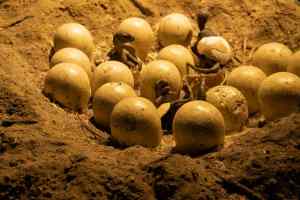
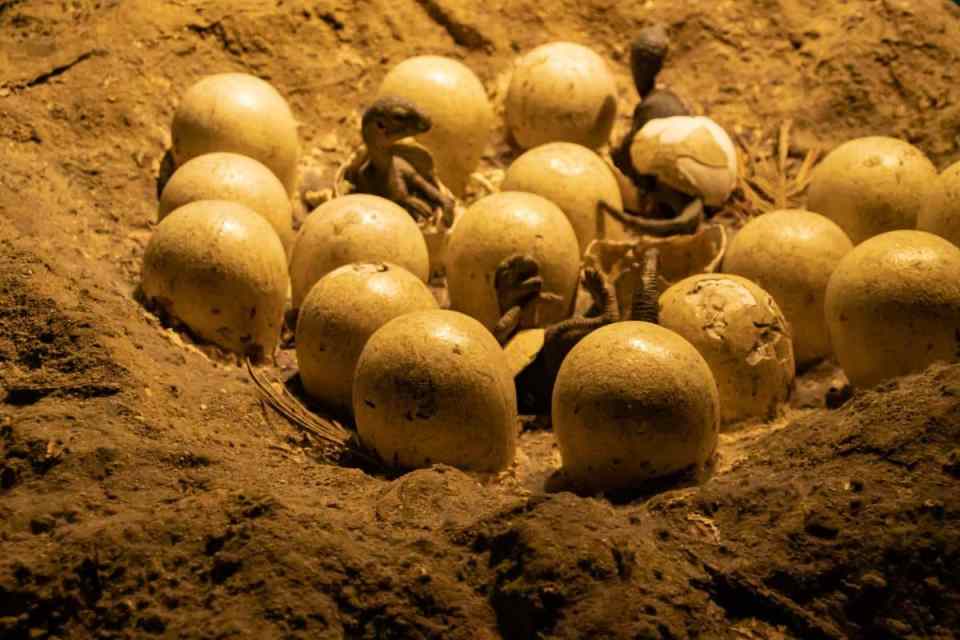
A 70-million-year-old dinosaur embryo, preserved in remarkable detail, has been discovered inside a fossilized egg. The find is one of the most well-preserved dinosaur embryos ever uncovered, offering scientists a rare glimpse into the development and hatching behavior of prehistoric creatures.
The fossil, found in Missouri, sheds light on the evolutionary connection between dinosaurs and modern birds, revealing striking similarities in embryonic development.
________________________________________________________________________
Read Also: What is Water Footprint Assessment?
________________________________________________________________________
A Prehistoric Time Capsule: The Discovery Of The Embryo
Fossilized dinosaur eggs are extremely rare, and finding one with an intact embryo is even more exceptional. This discovery provides an unparalleled look at dinosaur development, allowing paleontologists to study its structure, positioning, and potential behaviors.
The embryo, which was still in its egg when fossilization occurred, offers insights into how some dinosaurs may have prepared for hatching. Its curled posture resembles that of modern bird embryos, a similarity that has sparked further discussions about how much dinosaurs and birds have in common.
The fossil was discovered in Missouri, an area not typically associated with significant dinosaur finds. The region was once part of a prehistoric coastline, which suggests that the egg may have been buried in sediment, preserving it for millions of years.
________________________________________________________________________
Read Also : Home Advice Vegetables to plant in August: top 10 crops to sow and grow…
________________________________________________________________________
The Mystery Of Why It Never Hatched
One of the biggest questions surrounding this discovery is why the dinosaur never hatched. Scientists speculate that environmental factors, predation, or even natural deformities may have contributed to the embryo remaining trapped inside the egg for eternity.
Fossilized eggs are already rare, but finding one with a well-preserved embryo is even more exceptional. The specimen provides a snapshot of prehistoric life frozen in time.
What This Means For Dinosaur Evolution?
The position of the embryo inside the egg mirrors a behavior seen in modern bird embryos, known as tucking, where the head is positioned under the wing to help with a successful hatching process. This suggests that dinosaurs may have exhibited bird-like behaviors even before birth, further solidifying their evolutionary connection.
Researchers hope that further analysis of this fossilized embryo will help answer lingering questions about dinosaur reproduction and growth. Could other dinosaur species have shown similar bird-like tendencies?
________________________________________________________________________
Read Also: U.S. plastic recycling rate drops to close to 5% – report
________________________________________________________________________
This find is yet another piece of the puzzle linking the ancient world to our present-day feathered friends.
A Rare Window Into Prehistoric Life
This discovery also highlights the importance of continued paleontological research. As excavation techniques improve and more fossils are uncovered, scientists are likely to make even more groundbreaking discoveries about dinosaur life.
While this dinosaur never hatched, its fossilized remains have given the scientific community a rare and invaluable glimpse into prehistoric life. The study of this embryo will continue to inform research on dinosaur reproduction, growth, and their transition into birds.
NOTE – This article was originally published in dailygalaxy and can be viewed here