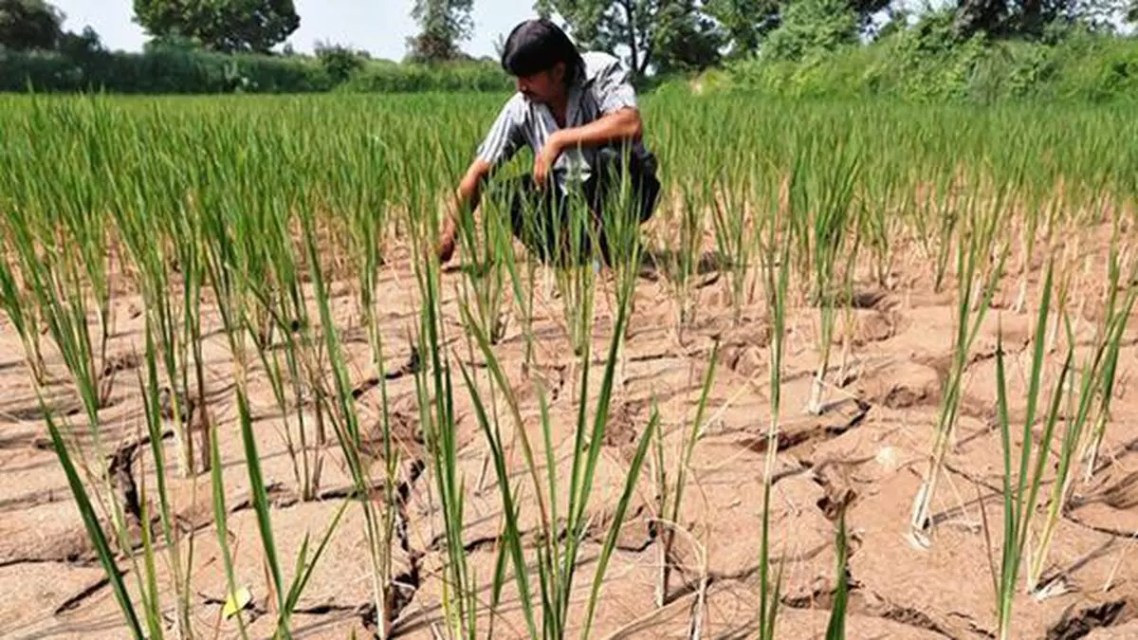

India’s agricultural production is expected to be impacted by the El Nino-induced weather and climate variations, according to the Ministry of Agriculture and Farmers Welfare. The first advance estimates show a decrease in output for most kharif crops, except for tur (pigeon pea) is lower.
This has raised concerns about the impact on the rural sector and various industries. However, former Commission for Agricultural Costs and Prices (CACP) chief Ashok Gulati believes that the livestock and fisheries sectors could rescue the situation. He dismissed concerns over lower kharif output, stating that these sectors are the biggest contributors to farm growth in the country.
_______________________________________________________________________
Read Also : Environmental Responsibility of the Corporate World!!
________________________________________________________________________
The low kharif production estimate comes as India is experiencing declining water levels in major reservoirs and drought conditions due to El Nino. The Monetary Policy Committee (MPC) has cautioned that food price shocks could impact inflation and the overall economy. Industries such as automobiles, tractors, white goods, textiles, and consumer goods rely on agricultural production and rural demand.
The decline in farm cash flows is expected to constrain rural demand and impact various sectors. FMCG companies are cautious about rural demand recovery, and the garment industry is concerned about a slowdown in agricultural incomes affecting the industry as a whole.
_______________________________________________________________________
Read Also : Easy Yoga Poses to Boost Your Immunity
________________________________________________________________________
The government needs to monitor physical arrival and price trends in agricultural produce markets to take precautionary policy measures. The lower agricultural production estimates will provide the right signals to stakeholders and highlight the impact of climatic events on surpluses. While rice production is not a concern due to ample stock, pulses and edible oils are expected to experience elevated inflation.
High food prices could fuel inflation and lead to monetary policy changes, affecting interest rates and the equity market. The government may need to intervene with subsidies or relief packages to support farmers, which could have fiscal implications. The success of the rabi sowing season is crucial, but the predicted El Nino until June 2024 could pose challenges, especially with elections approaching in May 2024.
NOTE – This article was originally published in thehindubusinessline and can be viewed here