Environmental technology, also known as green technology, or greentech for short, and also known as clean technology, or cleantech for short, is defined as the use of one or more of the following: environmental science, green chemistry, environmental monitoring, and electronic devices to monitor, model, or conserve the natural environment.
_______________________________________________________________________
Buy Organic Products Online at best prices at http://www.getgreen.co.in .
________________________________________________________________________
Photovoltaics (solar power), Wind Turbines (wind energy), Bioreactors, and other clean or renewable energy technologies are all examples of sustainable or renewable energy generation technologies. Environmental technologies are centred on sustainable development. Environmental technologies also refers to a group of electronic gadgets that can help with resource management in the long run.
Wasteful energy policy, abuse of natural resources, water supply limitations, man-made global climate change, and widespread deforestation are just some of the current concerns scientists say humanity as a species must solve in order to attain sustainable existence on our planet. According to the United Nations, an estimated 2.9 billion people will strain already taxed water supplies by 2025, and the world’s energy needs will rise by as much as 60% by 2030, therefore environmental technology will play a critical role in our ability to maintain a sustainable balance.

In terms of environmental education, universities and other schools are increasingly offering courses aimed at generating graduates with specific abilities in environmental systems or environmental technology. These courses are divided into three groups:
- Environmental Engineering or Environmental Systems courses that focus on a civil engineering approach to building structures and landscapes that blend in with or protect the environment.
- Courses in environmental chemistry, sustainable chemistry, or environmental chemical engineering that focus on understanding the effects of chemicals in the environment (both positive and bad). Mining operations, contaminants, and biological processes are all typical topics for these prizes.
- Environmental technology courses aimed at producing electronic, electrical, or electrotechnology graduates who can design devices and artefacts that can monitor, measure, model, and control environmental impact, such as monitoring and managing renewable energy generation and developing novel energy generation technologies.

tablet Concepts
_______________________________________________________________________
Read Also : Bioremediation: Environmental Technology for pollution Cleanup
________________________________________________________________________
The following is a list of current examples of these technologies:
Air Purification
Air Purification: Because all plants take CO2 and turn it into oxygen, they can be planted indoors to keep the air fresh. Dypsis lutescens, also known as the golden cane palm, areca palm, or butterfly palm, Sansevieria trifasciata, or “Snake Plant,” and Epipremnum aureum, also known as the Pothos, Money Plant, Golden Pothos, Silver Vine, Centipede tongavine, and others are the best specimens.
Alternative and Clean Energy
Scientists are continuing their hunt for clean energy alternatives to our present fossil-fueled energy production methods now that the climate change consensus has been reached. The adoption and implementation of energy policies that utilise conservation technology at the industrial level, as well as an increase in alternative and clean energy sources, are currently the only ways to reduce man-made greenhouse gas emissions. This covers the utilisation of unleaded petrol, solar electricity and other fuel cars such as hybrid plug-in and hybrid electric cars, but is not limited.
Energy Conservation
This is a huge deal because it is estimated that we squander more than half of our energy in the United States alone. The use of technology which utilise less energy in order to minimise the amount of power consumed includes but is not limited to energy savings. You need less fossil fuel to generate power while you are using less electricity. Energy-saving strategies such as low-energy light bulbs, shutting off lights when not in use, lowering the temperature, upgrading home insulation, energy audits, sustainability, and much more are all examples of energy conservation.
Environmental Remediation
Environmental remediation is the process of removing pollutants or contaminants from the environment in order to safeguard both the environment and humans. This has been achieved by many technologies of chemical, biological and mass movement and environmental monitoring.
eGain Forecasting
Project prediction is the approach used to predict the impact of future weather on a structure using forecasting tools. The technology eliminates unnecessary heat use by regulating the heat based on the weather forecast, lowering energy consumption and greenhouse gas emissions.
Recycling
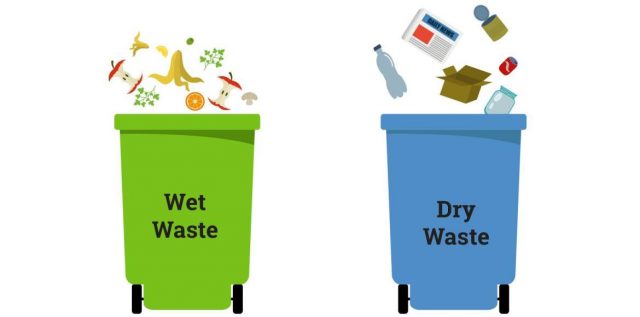
Recycling is the process of converting used materials (waste) into new products in order to avoid wasting potentially useful materials, reduce the consumption of fresh raw materials, save energy, reduce air pollution (from incineration) and water pollution (from landfilling) by reducing the need for “conventional” waste disposal, and reduce greenhouse gas emissions when compared to virgin production.
_______________________________________________________________________
Read Also : 10 Ways Technology is Innovating Waste Management
________________________________________________________________________
Renewable Energy
As its name implies, renewable energy is energy that can readily be regenerated or substituted. For years, we’ve relied on natural resources such as wood, sunlight, and water to generate energy. Natural objects that are not finite, such as oil, can produce energy. Wood, the sun, the wind, and other renewable energy sources are examples of renewable energy sources.
Sewage Treatment
Waste treatment is analogous in principle to water purification. Sewage treatment is critical since it purifies water according to contamination levels. More filthy water is not used at all, whereas less polluted water is provided to places with extensive water demand. This could result in various ways of protecting the environment, sustainability and other concepts.
Solid Waste Management
Solid waste management refers to the purification, consumption, reuse, disposal, and treatment of solid waste by a city’s or town’s government or controlling body.
Water purification
The idea/concept of having clean, germ-free water flowing throughout the surroundings. This concept of water purification leads to a slew of other phenomena. Water pollution is the largest opponent of this concept and several projects and activists around the world are being formed to help clean water. This concept is particularly essential in the light of the amount of water utilised in existing patterns of consumption.
Tags: #chemdistprocesssolutions, #chemicalindustry, #chemicals, #distillationtechnology, #earth, #environmentaltechnology, #evaporator, #getgreengetgrowing, #gngagritech, #greenstories, #nature, #oilindustry, #processindustry, #recycling, #Technology, Air Purification, Energy Conservation, Renewable Energy, Water purification