It’s cyclone season. First, cyclone Tauktae was in news for all the destruction it caused and now it’s cyclone Yaas.
While you may be aware of the destruction these cyclones have caused, do you know how these cyclones get their name?
________________________________________________________________________
“Buy Organic Products Online at best prices at http://www.getgreen.co.in “.
________________________________________________________________________
Who names these cyclones?
The World Meteorological Organisation (WMO) maintains rotating lists of names, which are appropriate for each tropical cyclone basin.
Cyclones that form in different ocean basin across the world are named by that areas, regional specialised meteorological centres (RSMCs) and Tropical Cyclone Warning Centres (TCWCs). There are six RSMCs in the world.
Fact: If a cyclone is particularly deadly or costly, then its name is retired and replaced by another.
Read Also : A Nutrition Sensitive Approach To Agriculture In India
_______________________________________________________________________
How do they choose a name?
As we already mentioned, different regions have their own Regional Specialised Meteorological Centres (RSMCs) who decide the names, generally from a list of names they have. The names are suggested by member nations of the RSMC’s.
Example: The Indian RSMC has 13 nations each of which suggested 13 names each.
Before the formal start of naming, tropical cyclones were named after places, objects, or saints’ feast days on which they occurred.
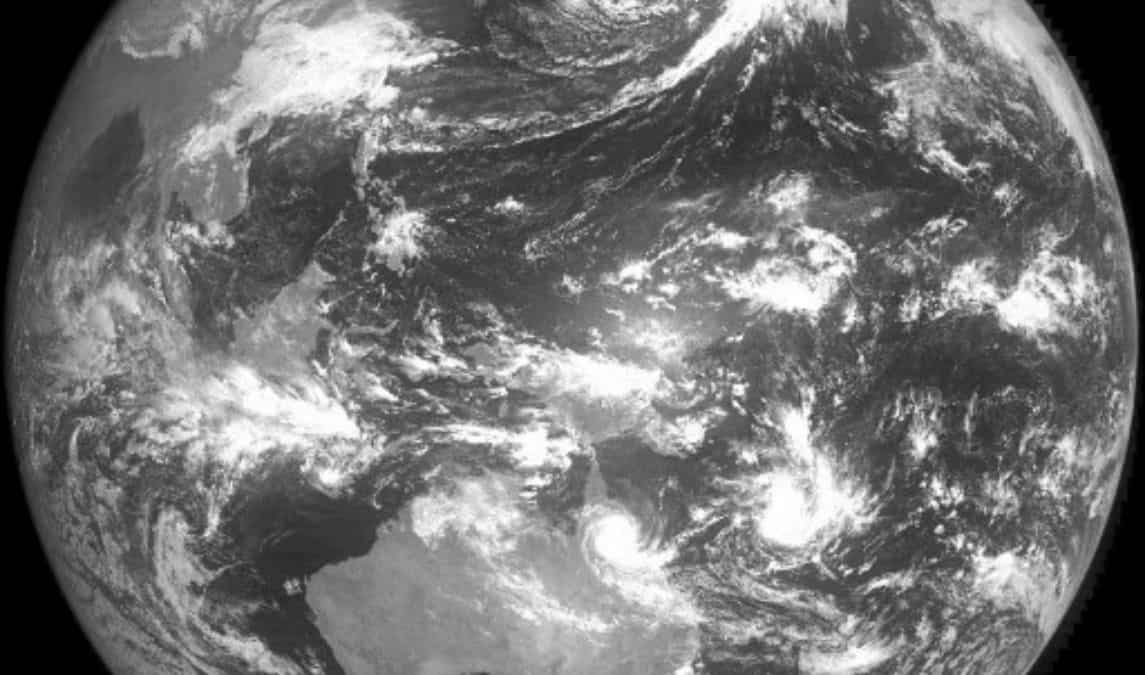
How are these names suggested?
While picking names for cyclones, there are a few rules that countries need to follow. If these rules/guidelines are met, the name is accepted by the panel on tropical cyclones (PTC) that finalises the selection:
1. The proposed name should be neutral to (a) politics and political figures (b) religious believes, (c) cultures and (d) gender
2. Name should be chosen in such a way that it does not hurt the sentiments of any group of population over the globe
3. It should not be very rude and cruel in nature
4. It should be short, easy to pronounce and should not be offensive to any member
5. The maximum length of the name will be eight letters
6. The proposed name should be provided with its pronunciation and voice over
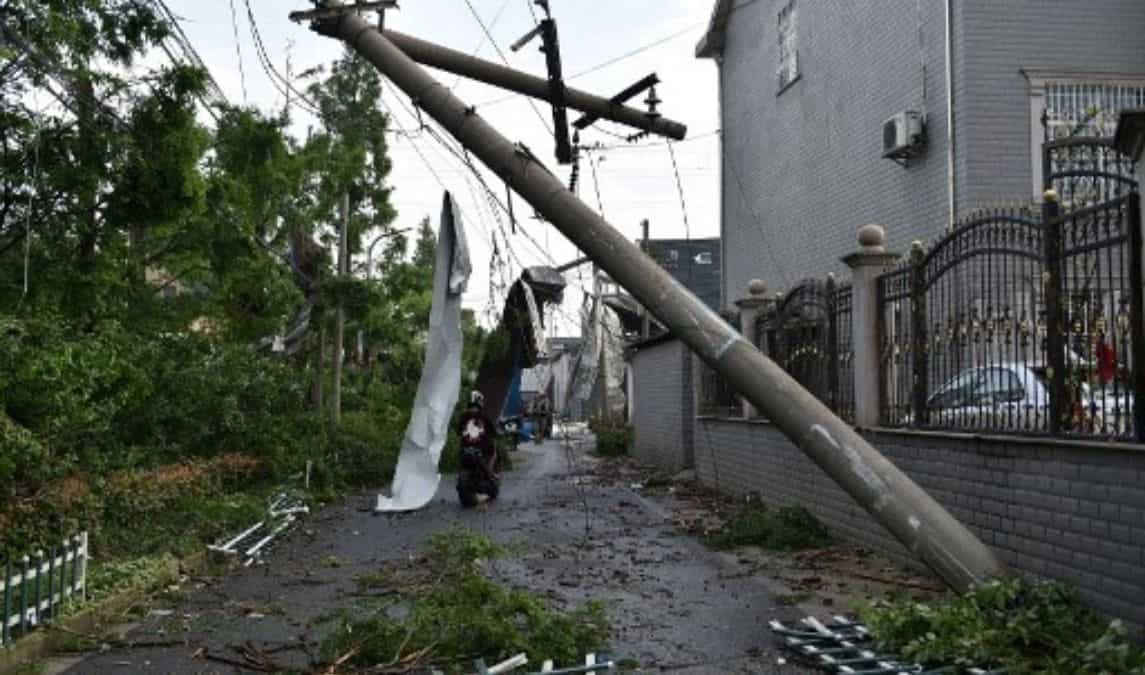
Read Also : Urban Farming Is the Future of Agriculture
_______________________________________________________________________
Who named Tauktae and Yaas?
The India Meteorological Department (IMD/RSMC New Delhi) is responsible for tracking tropical cyclones within the North Indian Ocean. They have a list of 169 cyclone names, from which these two were picked.
The name ‘Tauktae’ was suggested by Myanmar, while ‘Yaas’ was suggested by Oman.
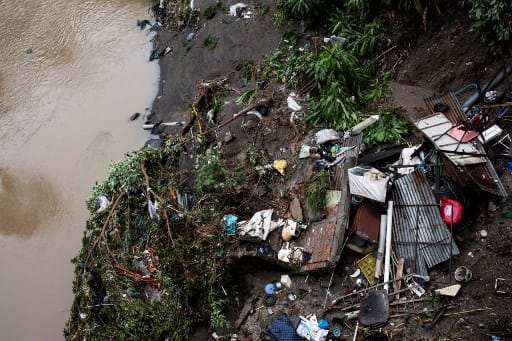
What is the next name after Yaas?
The next name in line for the Indian Ocean region is Cyclone Gulab, pronounced “Gul-aab”, suggested by Pakistan.