https://koetsiers.com/koetsiers-bg-test/
India is on the verge of becoming a diabetes-stricken nation. As a result of the growing supermarket culture, a large number of chemicals are finding their way onto our plates. The supermarket-bought vegetables and fruits have been chemically treated to keep their fresh appearance. Customers could be easily deceived, regardless of how many authentication labels are on the product. People are eager to seek out better sources of nutritious food these days, thanks to a growing awareness of health. To be able to eat fresh vegetables straight from the farm without any additives or preservatives is a far-fetched dream.
________________________________________________________________________
Read Also : Giant Toothed Birds of Southern Oceans Emerge as Antarctica Fossils from the 1980s
________________________________________________________________________
Despite the growing interest in organic agriculture, there has been little research into why farmers, particularly in developing countries, choose to use organic methods.
The yield drop after switching to organic techniques, as well as the speed with which information spreads through existing social networks, have a significant impact on the rate of organic farming adoption.
What is Conventional Farming?
https://www.zizira.com/blogs/plants/organic-farming-vs-conventional-farming-which-is-better-why
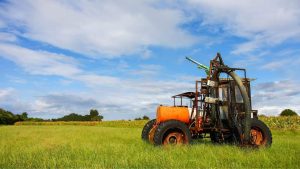
Conventional farming entails the use of pesticides and other chemicals in order to achieve the highest possible crop yield. However, this approach weakens the quality of the crop.
Chemicals seep into the soil and enter the food chain in a variety of ways. Pesticides may be present in conventionally grown food that reaches our tables, posing a health risk. The goal of conventional farming is to ensure food security, even if that means using genetically modified organisms (GMOs).
________________________________________________________________________
Read Also : Millions of Birds Are Migrating Earlier Because of Warming
________________________________________________________________________
What is Organic Farming
Organic farming, on the other hand, relies on environmentally friendly methods of crop production. These techniques are geared toward improving the farm’s natural fertility. Some of these techniques, according to research, are:
- Rotation of crops
- Planting companions
Compost, green manure, and bone meal are examples of natural fertilisers.
Creating natural insect predators, for example.
It aims to improve soil fertility, health, and safety, preserve the environment, and provide humans with high-nutrition, chemical-free crops. Organic farming is unquestionably the winner.
Organic Farming Vs Conventional Farming
The primary distinction between organic and conventional farming is that conventional farming largely depends on chemical treatment to combat pests and weeds, as well as to provide plant nutrition. Synthetic pesticides, herbicides, and fertilisers are included. Organic farming, on the other hand, produces healthy, abundant food by relying on natural principles such as biodiversity and composting.
Organic farmers use techniques such as crop rotation and the use of biodegradable animal manures and green manure crops, in aspects that are economically viable in present era. The engagement of management practises is the primary concern in organic production, and overall system health is emphasised.
Challenges faced by India in agriculture
India faces the following challenges, according to the World Bank:
- Increasing agricultural output
- reducing poverty in rural areas
- Assuring food safety
All of these issues can be addressed with organic farming. By preventing soil infertility and erosion caused by harmful traditional farming methods such as stubble burning, agricultural productivity can be increased. Crop rotation, for example, can not only maintain productivity but also ensure food security for a longer period of time than traditional farming.
Need to switch to Organic Farming
Before we get into our “what,” let’s take a look at “why” am I emphasizing on this concept of switching to organic food. First, let’s look at the drawbacks of conventional farming. Shortcuts, like traditional methods, have consequences. How long can nature be manipulated? The success of green revolution technologies in India has been credited to many factors. Agriculture has undoubtedly made us self-sufficient in food grain over the last 45 years, but the consequences are already being felt.
Fertilizers, pesticides, and insecticides have all depleted soil fertility. Farmers who are undereducated are more likely to use high doses of pesticides, which have an adverse effect on the crop and the soil’s strength.
Here’s why there’s a need to switch to organic farming. In natural farming, the nutrients taken from the soil for agriculture are returned to the soil in some form or another. It will produce food that is high in protein and nutrients. Organic farming does not necessitate large investments, and farmers will suffer less loss in the event of a crop failure than with conventional farming. Organically grown crops use less water because the soil structure is not linked to problems like salinization of soil degradation. Biological manure is used in traditional methods, as opposed to conventional methods, which cause global warming.
Organic management improves agro-ecosystem health by restoring biodiversity, biological cycles, and soil bioactivity, all of which have been displaced by synthetic inputs. Agro-chemicals are made from non-renewable fossil fuels, which will become scarce in the future and will be expensive in terms of foreign exchange.
Advantages of Organic Farming
Converting to organic farming has become a socially and economically appealing move for dairy farmers as a result of the recent dairy crisis and rising consumer demand for organic food.
Increased Yields
Not only must yields be increased, but production must also be stabilised in a long-term manner.
Food Security
Above all, food security is the primary motivation for switching to organic farming. With the new law enacted to ensure food quality, we will not be able to achieve this unless we return to traditional methods.
Inclusive growth of poor section of country
Organic farming has a lucrative economic benefit in the form of job creation. Without the necessary skill and training, maintaining an organic farm is difficult. As we gradually transition to organic, the government can initiate training and provide employment in the farm sector. Organic farming has the potential to become an art form.
It is clearly a solution for alleviating poverty in rural areas, as well as a tool for achieving inclusive growth.
________________________________________________________________________
Read Also :Not Just Sparrows And Pigeons: Cities Harbor 20 Percent Of World’s Bird Species
________________________________________________________________________
Conclusion
Organic food is expensive, critics claim. However, a well-chosen vegetable will benefit the family’s health. The middle class’s affordability and spending patterns are changing; they are willing to pay more if it is worthwhile. And the yield will most likely be 20-30% lower for the first 3-5 years.
You might be wondering how you can make a difference. The demand-supply equation governs the farming industry, just like any other. It’s unrealistic to expect a sea change in a single day. Farmers will have no choice but to switch to modern farming methods if you help to increase demand for organically grown foods. The shifting will take place hectare by hectare over several years. Everything that is natural develops in a spectacular way.
Support your local farmers market and the global organic economy all year long by eating more seasonally. Choose organically grown foods over conventionally grown foods when deciding between the two. You are the first step.
Tags: #agriculture, #conventionalfarming, #farming, #food, #getgreengetgrowing, #gngagritech, #greenstories, #organic, #organic techniques, #organicfarming, #soil, #vegetables