Food poverty is a major issue that the planet is grappling with. Food shortage is caused by a variety of economic, environmental, and social factors, including crop failure, overpopulation, and weak government policies in most countries.
Environmental factors influence the types of crops grown in a given location, economic factors influence purchasing and production ability, and socio-political factors influence food distribution. Starvation, malnutrition, increased mortality, and civil instability are just some of the long- and short-term consequences of a food shortage.
________________________________________________________________________
“Buy Organic Products Online at best prices at http://www.getgreen.co.in “.
________________________________________________________________________
Food insecurity must be addressed collectively, using both emergency and long-term solutions. This article examines the concept of global food scarcity, focusing on the causes, consequences, and potential solutions.
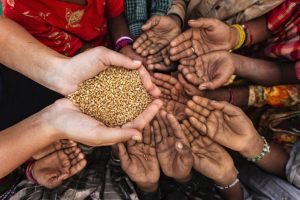
Causes of Food Insecurity
- Access to Farming Lands Restricted
Food is grown or harvested on the ground. As a consequence, income is produced. Many residents, on the other hand, lack access to farmable land or do not own land. Land ownership boosts agricultural productivity by enabling small-scale cultivation of a wide variety of food crops. If you don’t have access to farming land, however, you’re missing out on an important opportunity to grow food.
- Grabbing of Land
It is linked to the previous point. Land collection happens when large investors or strong government authorities acquire the land that individuals, organisations and communities traditionally own or farmed.
Land collection deprives locals of instruments for their survival, such as land for the cultivation of foodstuffs and vegetables. The end effects are poverty and societal unruly and food insecurity is exacerbated.
- Conflict, Violence and Wars
Conflicts, conflicts and other conflicts affect the processing and distribution of foodstuffs. Food poverty is very high in most countries that have experienced civil war over the years.
- Population growth is accelerating.
Despite higher death rates, we now live in a world with higher birth rates. Because of the increasing population, there are more mouths to feed on a regular basis. Food insecurity is on the rise as the world’s population grows at a slower rate than the amount of food accessible.
- Biofuel
Plants like maize and sugar cane are used as agricultural fuels. As a tool to fight climate change, the production of such biofuels is becoming more widespread. Sadly, farms will be redirected to biofuel crops so that the amount of grains available for human consumption is reduced.
- Natural Disasters
The entire crop may be wiped out or killed by drippings, floods, typhoons, cyclone, and other natural disasters. This is especially devastating for rural communities and families, whose daily sustenance depends on such harvests and small farming.
- Food Wastage
Food is thrown away in the millions of dollars every year, particularly in developing countries. As farmers have shut down restaurants and supermarkets that had purchased such food previously, for example, billions of dollars of food is being wasted during the Coronavirus pandemic.
- The Food Financialization
Food has developed into a valuable commodity traded abroad. Global food price rises are triggering a serious and long-term food crisis. This can lead in part to poverty, malnutrition and food insecurity by consumer favour and higher income greed.

________________________________________________________________________
Read Also : 8 Nutrients and 16 Foods to Boost Your Mood — What to Eat to…
________________________________________________________________________
Food Insecurity’s Effects
- Effects on Children
Food deprived children and children from food insecure families are more likely to need hospitalisation and are at a higher risk of chronic illnesses such as anaemia and asthma. They still have a lot of dental problems.
Food insecurity among children is linked to a low physical quality of life, preventing them from completely participating in everyday school activities and social interactions with their peers.
- Food insecurity caused by hunger
Insecurity of food can also contribute to starvation. Hunger costs billions of dollars a year and the US spends 178,9 billion dollars a year. As a result, rather than concentrating funds on other programmes, including housing, health and education, the government is spending more funds on feeding the nation.
- Food price increases
Food insecurity happens when food is scarce and the food available is more expensive to purchase. This means that prices will rise, and similar products will become more expensive as a result. As a consequence, people may have restricted access to food, treatment, food and health, jeopardising the economy.
- An increase in health costs
The greater the risk for chronic conditions like heart disease, the greater the food insecurity. This puts an enormous strain on the health care system. According to a study, $6,100 in annual spent on medical care by food deprived households compared to $4,200 in annual healthcare costs, representing a 45 per cent increase.

Solutions to Food Insecurity
- Reduce Food Waste
Ineffective preparations, bumpy or uneven trails, excessive customer preference, and insufficient storage facilities are the key causes of food waste. Less food will be wasted if storage facilities are enhanced and proper preparations for how the food will be used, resulting in a more food safe environment. As previously mentioned, the FAO estimates that 1.3 billion tonnes of food was wasted globally per year.
- Reduce the marketing risk
In order to feed a group or nation, food insecurity will decrease. Once the market for food crops has stabilised, farmers will be able to grow more food and cash crops.
If there is enough food on the market, there will be less prospects for commercialization. Governments should also create programmes that allow farmers to determine if there is enough food for everyone.
- Enhance existing programmes in infrastructure
Bad infrastructure, such as highways, storage facilities, and food processing equipment, prevents some farmers from getting their produce to market. Instead of being sent to those in need or stored, it rots on the fields. More food will be available on the market if infrastructure is strengthened, and food poverty will decrease.
- Improve Trade Policies
Some farmers are unable to feed their families due to unfair trade practises. Corporate behemoths have now commercialised food, making it more difficult for small-scale farmers to sell their wares. As a result, policymakers should improve certain policies to ensure that everyone has an equal opportunity to participate.
________________________________________________________________________
Read Also : Foods to eat as you age
_______________________________________________________________________
- Promote Diversification
Concentrating on a single food crop or staple could backfire when it comes to reducing food insecurity. As a result, in order to enhance food security, training on the importance of a diverse and nutritious diet is needed.
- Close the Yield Gap
Much of our agricultural lands have lost their natural productivity and are no longer able to grow as much as they once did. To close the gap, governments and agricultural institutions have devised strategies and programmes aimed at increasing crop yields, especially location-specific methods of sustainable agricultural intensification including soil management and land improvement.
- Efforts to Combat Climate Change
Climate change is having a major impact on our lives and food production. We would be able to ensure that there is enough food for us and future generations if we combat climate change and farm sustainably. It’s another step in the battle against food insecurity.

Conclusion
Food scarcity is clearly a major global issue, with catastrophic consequences for the population and government, as shown by these debates, and this necessitates immediate action by food industry players. Food shortages may have both short and long-term consequences. Women, infants, and the elderly, who cannot tolerate hunger for long periods of time, bear the brunt of the short-term effects. The causes of food scarcity are well-known, and they can be addressed if sufficient steps are taken and implemented effectively. Changes in climate and emissions caused by human activities such as overgrazing and deforestation are environmental causes of food shortages that can be regulated by legislation.
Tags: #charity, #community, #covid, #donate, #endhunger, #food, #foodbank, #foodbanks, #foodinsecurity, #foodsecurity, #foodwaste, #getgreengetgrowing, #gngagritech, #greenstories, #hunger, #nonprofit, #socialimpact, #volunteer