Let us be honest. The bear did not enter our world. We entered his.
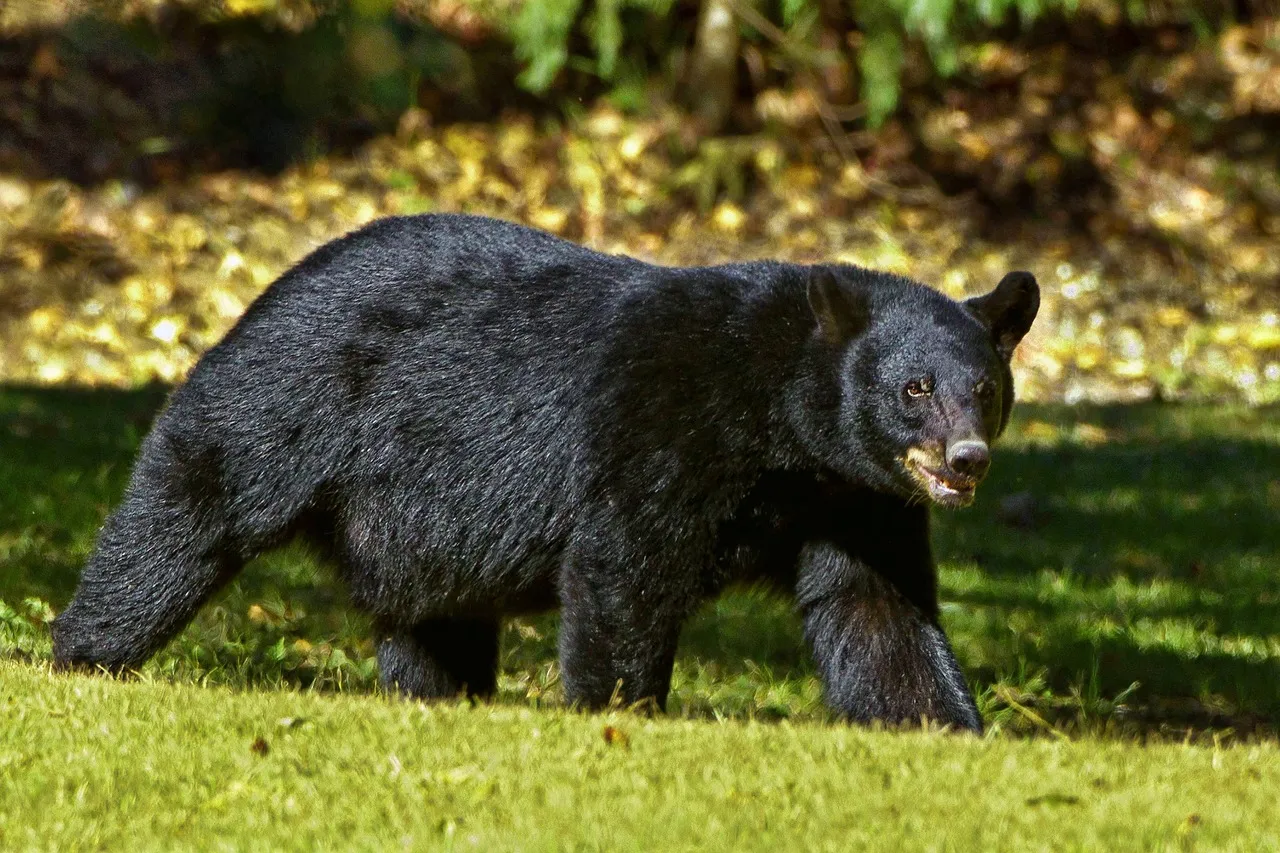
es faster than news. Phones buzzed. Doors slammed shut. Windows cracked open. People whispered one word in shock. Bear.
A Himalayan black bear had wandered in the crowded streets of Hazratbal. Not as a symbol. Not in a documentary. But in flesh and breath. Confused. Cornered. Chased.
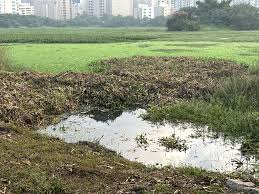
Let us be honest. The bear did not enter our world. We entered his. City is no longer just a residential area. It is a living pressure zone. Expanding endlessly. Concrete grows where forests once stood. Roads eat into green belts. Construction never sleeps. Noise never rests.
_______________________________________________________________________
Read Also : How A Wildlife Photographer Built 130 Ponds And Revived Rajasthan’s Desert Fauna
________________________________________________________________________
And wildlife? It has nowhere left to go. So, when the forest shrinks, the forest walks. Into our streets. Into our fears. Into our fragile sense of safety.
The bear was not hunting. It was searching. For food. For space. For silence. What it found instead were barking dogs, electric wires, shouting crowds and viral fame. Not mercy. Not distance. Not calm.
In the chaos, street dogs chased it. Humans chased it. Fear chased it. The city chased it.
But who was the real intruder? We treat such incidents like sudden disasters. As if they fall from the sky. They don’t. They grow slowly. With every tree cut. Every stream blocked. Every illegal structure raised.
One forest at a time. One habitat at a time. The Himalayan black bear is not a monster. It is a shy animal. It avoids humans. It attacks only when threatened. What we saw that day was not aggression. It was desperation.
Desperation has claws. Social media played its usual role. Some shared with fear. Some with excitement. Some with laughter. Some with zero thought. But this was not entertainment. This was ecological distress captured in 30-second clips.
No trending reel can show what the bear felt. The terror of trapped movement. The shock of electric sparks. The confusion of walls instead of trees.
_______________________________________________________________________
Read Also : Aarey, Nicobar to Namdapha: Development marches on, forests and wildlife pay the price
________________________________________________________________________
For a moment, the urban illusion broke. The wild reminded us that it still exists. And it is hurting. Felt like Delhi Safari getting replayed in the mind.
We often speak of human-animal conflict. But the truth is uncomfortable. This is human-created conflict. Animals are only responding.
Today it is a bear. Tomorrow it could be a leopard. A pack of wolves. A swarm of displaced birds. Nature does not send alerts in lyrics. It sends them in encounters. And we are catching them too often now.
There is also another loss hidden in this fear. Compassion. In the shouting, screaming, filming and chasing, very few asked one simple question. Is the animal safe? We worry about our lives. Our walls. Our vehicles. Our children. Rightly so. But rarely do we pause to ask-What about the creature that lost its forest? Urban safety is important. So is ecological balance. The two cannot fight each other forever. One will eventually collapse.
The wildlife department was on toes. The situation somehow came under control. Life around Hazratbal returned to its routine rhythm. But the forest did not return. It never does. Tomorrow, another animal may enter another colony. Another headline will appear. Another panic will spread. Another cycle will repeat. Unless we stop imagining that wildlife belongs only to distant mountains. It doesn’t. It belongs wherever trees once stood.
Bottomline: Bear around Hazratbal did not just climb poles. It climbed into our conscience. The question is simple now. Will we climb down into responsibility? Because cities that grow without forests grow without balance. And imbalance relentlessly returns. Sometimes with claws. Sometimes with fire. Sometimes with floods. That evening, fear changed the street. Let it also change our thinking. Not every visitor comes to harm. Some come to forewarn. And this one came from the forest.
NOTE – This article was originally published in Greater Kashmir and can be viewed here