
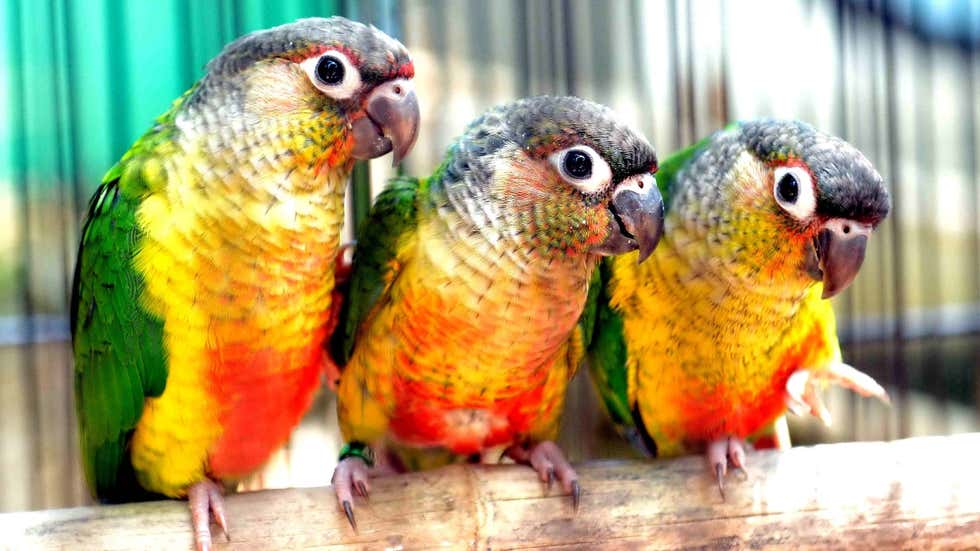
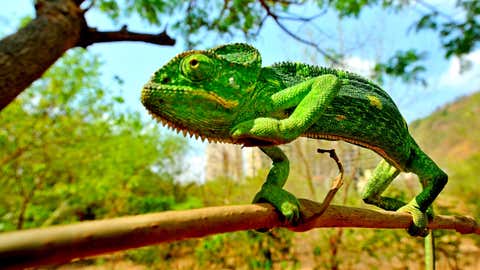
The animal kingdom is a comprehensive container of colours. From monochrome-ish beings such as jet-black ravens, pale-white bunnies, golden goldfishes and blue bluebirds, to multicoloured creatures like blue-green peacocks, orange-black tigers, rainbow butterflies and colour-changing chameleons, the kingdom houses every hue and shade perceivable to the human eye. Oh and let’s not forget the see-through ghost shrimps and translucent glass frogs, which are difficult to spot because they barely have any colour on them!
“Buy Organic Products Online at best prices at http://www.getgreen.co.in “.
These colours have different roles to play for different faunal species. Animal put them to multiple uses—from meeting their basic food and sex needs, to keeping themselves alive and well. Now, with the festival of colours being played across India, let us take a look at the different reasons why animals make use of colours:
To blend with surroundings for self-protection
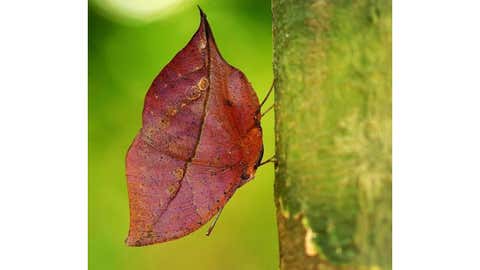
(TOI, BCCL, Mangaluru)
Thanks to evolution, some creatures have developed the amazing ability to change their colour and alter their appearance in a way that helps them blend in with their surroundings and become ‘unspotable’ for the predators lurking around.
Widely referred to as camouflage, the technical term used by biologists to describe this phenomenon is ‘protective resemblance’. Animals use this tactic to either acquire the same colouration as their surroundings, or to look like other animals, plants, or parts of plants (like leaves and stems) that seem inedible to the predators. Chameleons, leaf-tailed geckos, the Children’s stick insects are some of the best practitioners of this strategy.
To attract prey and enable hunting
(KK Choudhary/TOI, BCCL, Mumbai)
While some animals change their colour and appearance as a defensive tactic, others utilise it to go on the offence and attract prey. Called aggressive resemblance, this tactic is used by predators as well as parasites to blend in with surroundings or look like inanimate objects, non-threatening creatures, or a source of food—either to lull the prey into a sense of false security, or to attract it directly.
Read Also : First-ever study of all Amazon greenhouse gases suggest the forest is worsening climate change
Leopards making themselves difficult to spot in tall grass; a flower mantis resembling a particular kind of flower to attract insects; and ant-mimicking spiders, who use different colours to look like ants of different maturities and accordingly attract ants, are some examples of aggressive mimics that use colouration to hunt.
To attract mates

(Amit Ruke/BCCL Pune)
There are creatures that use colours to hide, and then there are creatures that use them to stand-out and become the centre of attention; to grab eyeballs and attract mates. Several species use signalling—a form of communication between organisms—to advertise their sexual availability as well as their capability or service to others.
The most well-known example of an animal using colour to attract mates (especially in the Indian context) would be the peacock, who uses its huge and colourful tail to attract peahens. The brighter the colours on the peacock’s tail, the higher the likelihood of him attracting peahens.
While an effective strategy, however, the bright flashing of colours is just as likely to attract predators, which is why extreme, sexual selection has also driven some species to extinction.
To warn-off predators

(TOI, BCCL, Mumbai)
“Danger! Warning! This animal is not worth attacking!” is the message some creatures display to their predators using their body colours.
Called aposematism, this strategy is used by animals to prevent attacks by warning potential predators that the prey animal has defences such as being poisonous or unpalatable. These aposematic warning signals aren’t just restricted to colouration; they can also take the form of sounds, odours, and other perceivable characteristics like horns.
Red, yellow, black and white are the most common and effective aposematic colours, as they provide a strong contrast with green foliage, resist changes in shadow and lighting, are highly chromatic, and provide distance-dependent camouflage (difficult to detect from distance, but visible and cautionary from close proximity).
Poison dart frogs are the most common users of this tactic, but it is also seen in marine organisms like fishes, octopuses, starfishes, etc.
To confuse predators
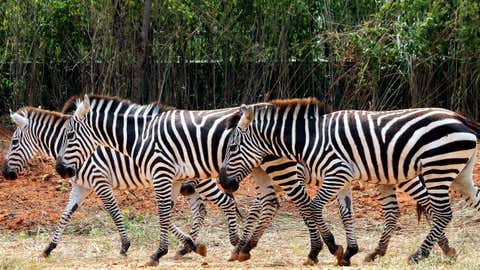
(Mohammed Asad/BCCL Bengaluru)
Some animals are marked with dazzle patterns, which make them harder to catch when moving but easier to detect when stationary, thereby marking an evolutionary trade-off between dazzle and camouflage.
Zebras make use of this tactic (albeit unintentionally), as their high-contrast black-and-white patterned skin is known to confuse predators like lions during a chase. Their bold stripes, especially when they are present in herds, make it difficult for predators to estimate their speed and direction accurately, or to identify individual animals, which gives the herd an improved chance of escape.
Read Also : Climate change: How infrastructure can weather the storm
Talk about leaving your enemies dazzled, quite literally…
To regulate body temperature
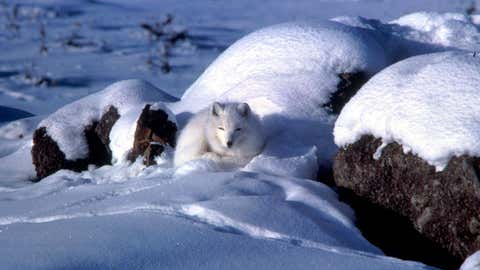
(USFWS/Keith Morehouse)
While all the aforementioned reasons to change colours are organism-specific, this kind of colouration deals specifically with the environment.
Some creatures possess the ability of thermoregulation, which allows them to keep their body temperatures within certain boundaries, even when the surrounding temperatures differ greatly. One way to do this is by changing the colour of the skin, and a South American frog named Bokermannohyla alvarengai does this most expertly.
As this amphibian spends a significant amount of the day exposed to full sun and relatively high temperatures, it changes its colours to keep its body from overheating and losing water. Frogs in the dark or in lower temperatures have darker skin colours, whereas frogs in the light or higher temperatures show skins of a lighter hue. The impact of light on the skin colour is much stronger than temperature alone, suggesting that colour change is triggered by the increase in incident solar energy.
Meanwhile, there also exist some creatures that change colours with the seasons. For instance, several species of hares, weasels, hamsters and foxes that live in the Arctic are known to shift colours, grow seasonally white fur, and become as white as snow—quite literally—during winters.
All in all, while human beings (ideally) prefer living colourful lives, inhabitants of the animal kingdom have no option but to do so. Colours may play an important role in human lives, but they most definitely are the difference between life and death as far as animals are concerned.
Tags: #animals, #brids, #climate, #colours, #getgreengetgrowing, #gngagritech, #goldfishes, #greenstories, #kingdom, #nature, #plants







Wow, wonderful blog layout! How long have you been blogging for? you make blogging look easy. The overall look of your website is wonderful, as well as the content!